Need this roof reviewed?
Use drone roof imaging in Hollywood, FL to document broad roof areas and hard-to-reach details, then pair images with a hands-on inspection where needed.
Aerial images can show a broad roof pattern quickly, but they do not reveal every seam, soft area or concealed moisture condition. We use drone imaging to document accessible roof surfaces and hard-to-reach areas, then decide whether a hands-on review or test is needed. Hollywood’s annual mean temperature is 76.1°F in NOAA’s 1991-2020 normals, with summer heat and heavy seasonal rain affecting roof exposure. A roof near Downtown Hollywood or the Pines Boulevard commercial corridor still needs a flight plan matched to its site access and actual roof details. We organize the images by roof section, explain what they show and separate visible conditions from questions that require closer inspection.
What aerial images can show
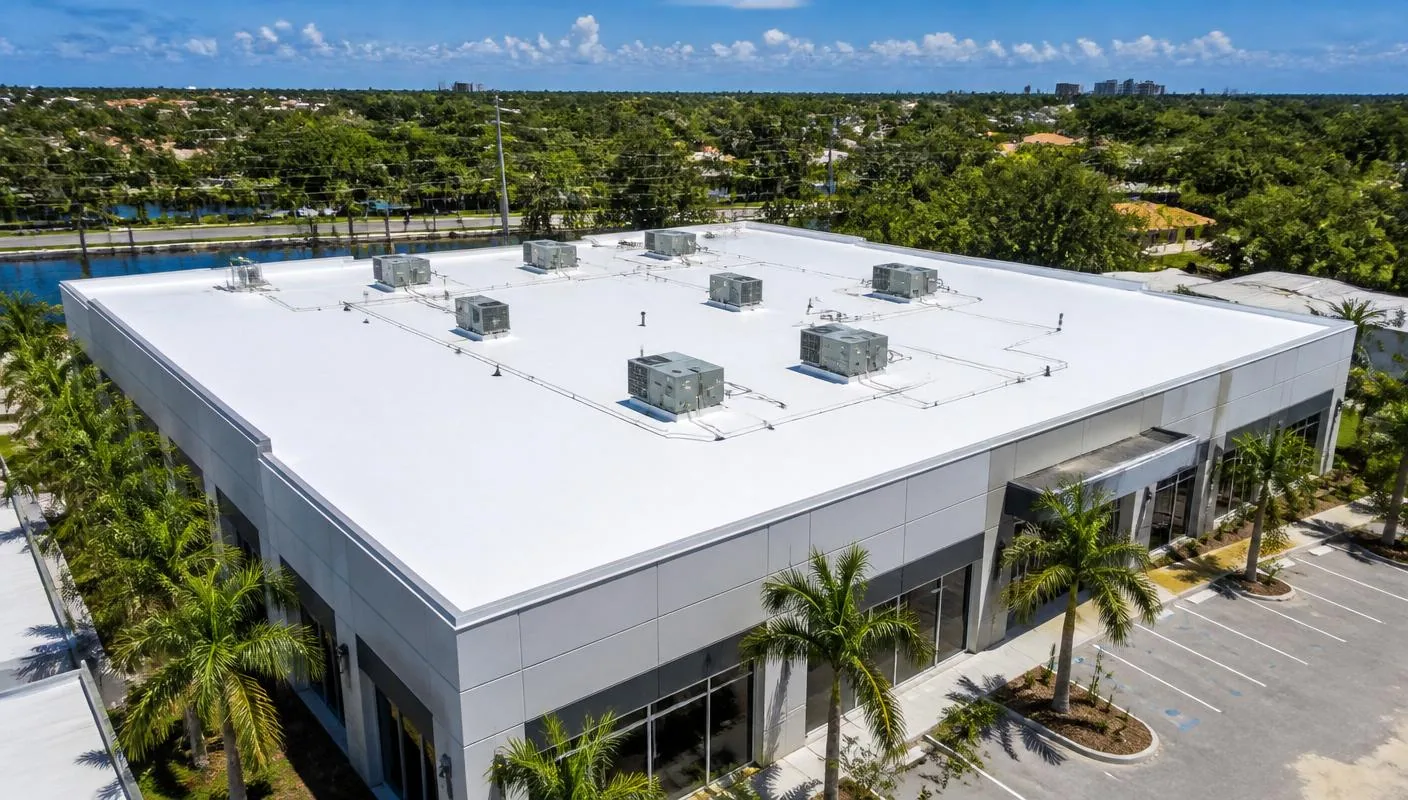
Aerial views are useful for documenting roof geometry, large areas of ponding, debris patterns, open equipment clearances, obvious membrane damage and hard-to-reach perimeter conditions. Images can help a property manager compare sections or locate a detail before a technician walks the roof. We plan overlapping views, label the roof areas and retain the original image set with the report.
Resolution and angle matter. A high overview may show drainage patterns but miss a small seam split. A low-angle image can reveal a raised edge but hide the field behind equipment. We choose views that answer the inspection question and do not treat an image as proof of membrane adhesion, deck condition or moisture. If a concern needs touch, probing or testing, we identify the next method.
The Downtown Hollywood and Johnson Street business districts include different commercial settings, but the imagery is tied to the specific property, not to a general claim about either district. Before a flight, we confirm access permissions, obstacles and work areas with the owner or manager. A hands-on commercial roof inspection can verify conditions that aerial imaging cannot resolve.
Read the image with care
Color and temperature in a photograph can change with sunlight, shadow, surface age and camera settings. A dark area is not automatically a leak; a bright patch is not automatically a repair. We compare images with roof plans, reported leaks and recent maintenance records, then flag the areas that deserve a closer look. The report states the date and conditions of the imaging so later reviewers understand its context.
Drone imagery does not open the roof assembly. It cannot confirm insulation moisture below a membrane, test weld strength or determine whether a concealed deck is sound. If an image shows ponding, we measure the low area on the roof and examine nearby drains before recommending corrective work. A visible stain around a curb should lead to a detailed inspection of flashing and penetration support.
Hollywood’s flood materials call for map review in eastern portions of the city, including areas east of US-1. Flood designation is a parcel-level question handled separately from the roof survey, so a camera pass is used only for roof findings such as ponding and blocked scuppers. A moisture survey with direct verification can address suspected wet insulation.
Plan access and flight conditions
Before imaging, we confirm the property boundary, flight permissions, nearby obstacles, roof access and the purpose of the survey. The manager can identify sensitive areas and the roof sections that matter most. Weather, wind and rain can affect whether a flight is practical, so the planned time may change. We notify the contact if conditions require rescheduling rather than collecting images that cannot answer the original question.
For a large or complex roof, we divide the structure into labeled zones and record equipment clusters, drainage points and transitions. In a multibuilding property, each roof gets an identifier so photographs are not mixed. The images can then be compared with the roof plan and maintenance log. Clear labels matter when ownership reviews findings with a contractor or facilities team weeks later.
The city’s business guide notes that Downtown Hollywood event closures can affect delivery and employee access along Hollywood Boulevard between US-1 and 21st Avenue. We check current site and street conditions with the property contact before dispatch. For a roof in the Johnson Street Business District, we confirm the owner’s own access rules and parking, and the flight plan stays specific to one authorized property.
Turn images into a maintenance record
The deliverable should help the manager find the same roof condition later. We group images by roof area, add short captions and mark visible concerns on a plan when available. A good caption says what is visible and where it sits; it does not label a cause that the camera cannot confirm. The report can include a recommended hands-on check where the images point to a seam, drain, edge or penetration question.
Use a baseline image set to compare later inspections, but account for changes in lighting, camera angle and equipment placement. A roof that appears different in one photograph may simply have been captured at another time of day. For maintenance, note repairs, new equipment and drain cleaning between flights. The image record becomes more useful when the property team connects it to its work orders.
A roof condition report can combine images with observed defects and priorities. If a repair is needed, a repair inspection verifies the actual detail and defines work. For multiple sites, a multi-property roof program can use consistent labels while keeping each building’s findings distinct.
Choose imaging or a roof walk
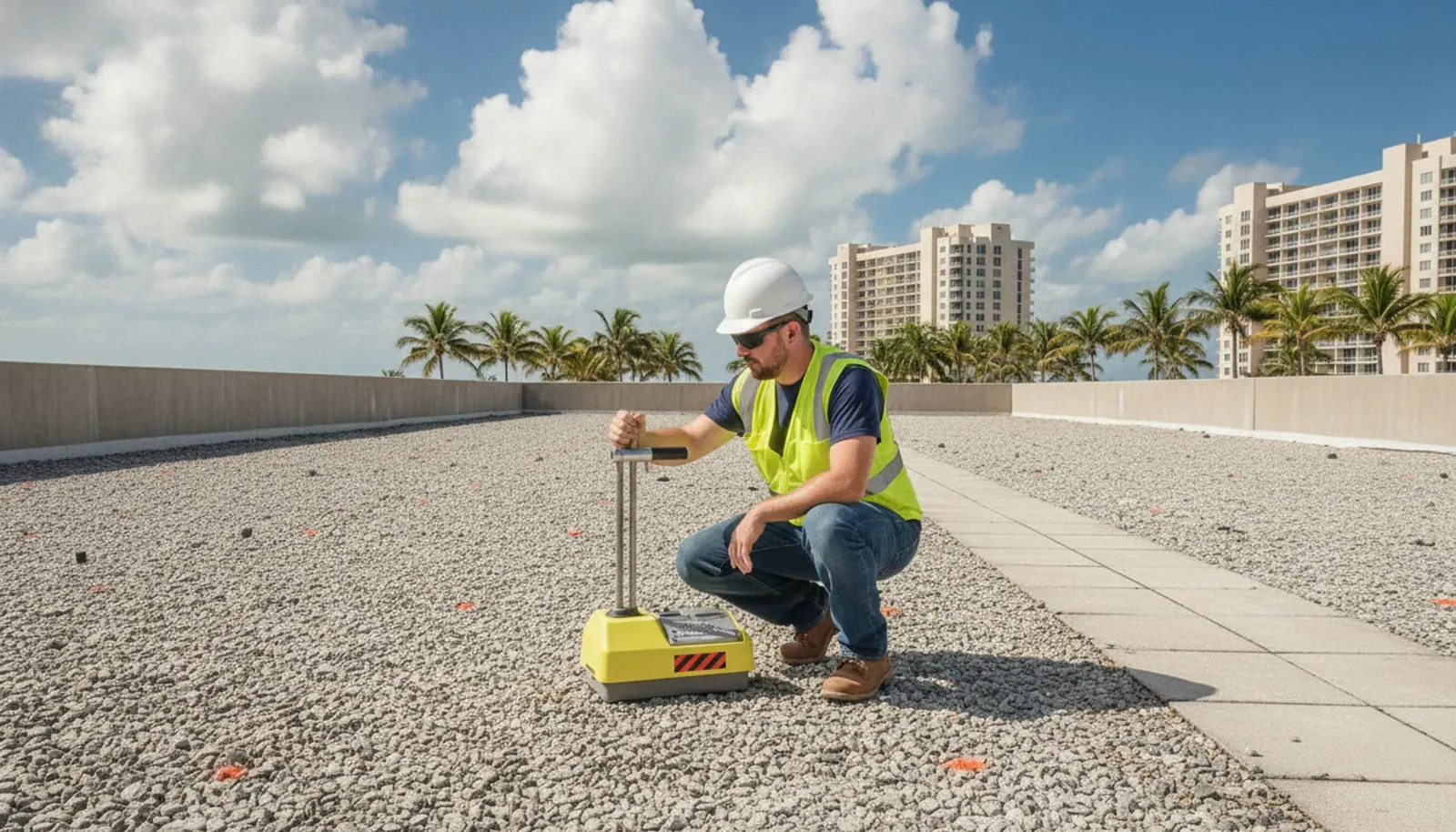
Drone imaging can be a sensible first look when a roof is broad, access is constrained or the owner needs a visual baseline. A hands-on visit is the better choice for checking seams, evaluating material movement, probing a suspected wet area or preparing a repair scope. Some assignments use both: images map the field, then a technician examines selected details.
We discuss the question before the survey and match the inspection method to it. If the goal is to locate visible debris or map equipment, imagery may be enough. If the decision concerns moisture, adhesion, deck strength or a specific leak, camera views alone are limited. The report identifies those limits rather than imply that every roof condition has been inspected.
Hollywood property managers can share a roof plan, recent photos and current concerns before scheduling. We will explain the coverage, confirm site access and provide labeled images with any follow-up observations. The next decision can then be based on what the images actually show.

