Need this roof reviewed?
Roof inspection, repair and replacement planning for school districts and charter operators in Hollywood, FL, timed to the break calendar and wet season.
The long summer break is the only block of weeks when a school roof can be opened without interrupting classes, and in Hollywood, FL, it is also the stretch when afternoon rain and heat are most reliable. That overlap defines the work for districts and charter operators. Commercial Roofers Hollywood plans roof inspections, repairs and replacements for school buildings with the weather calendar in view: a tear-off that takes ten dry days on paper may take twice that when storms arrive most afternoons, so the sequence must dry in daily and the schedule must carry slack.
Break calendar and wet season
Rain averages 8.84 inches in June and 8.67 in September in Hollywood, and the stormiest weeks of the wet season, from mid-May to early July, carry the highest odds of damaging wind, tornadoes, lightning, hail and flooding. An August average daily maximum of 89.9°F adds heat to the work day. A district planning a summer reroof therefore asks for early starts, daily dry-in, a rain-day allowance in the schedule and a plan for protecting the open deck when a storm approaches. We write that plan down with the building's contact so the principal and the facilities office know what happens at the first thunder.
Inventory by building and roof zone
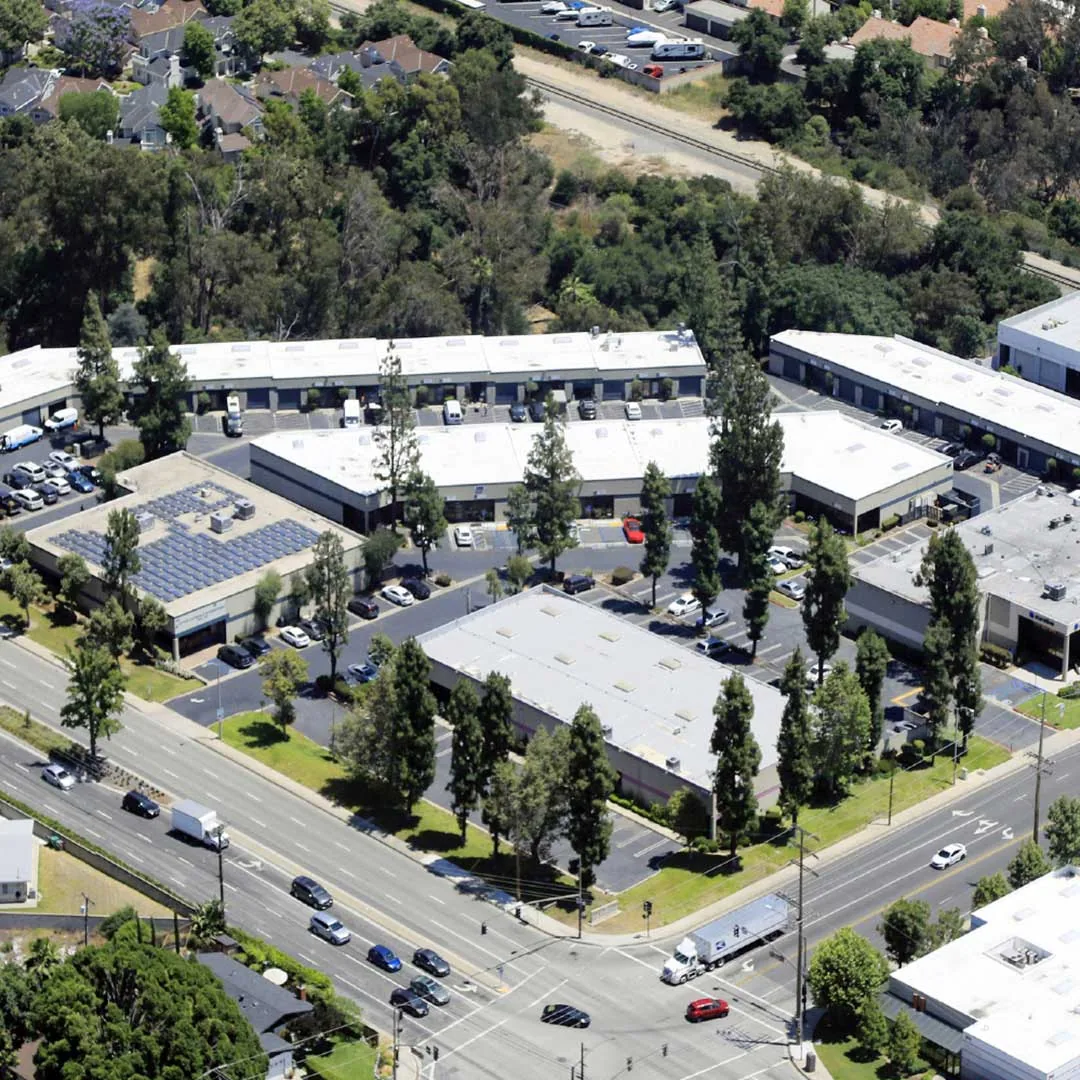
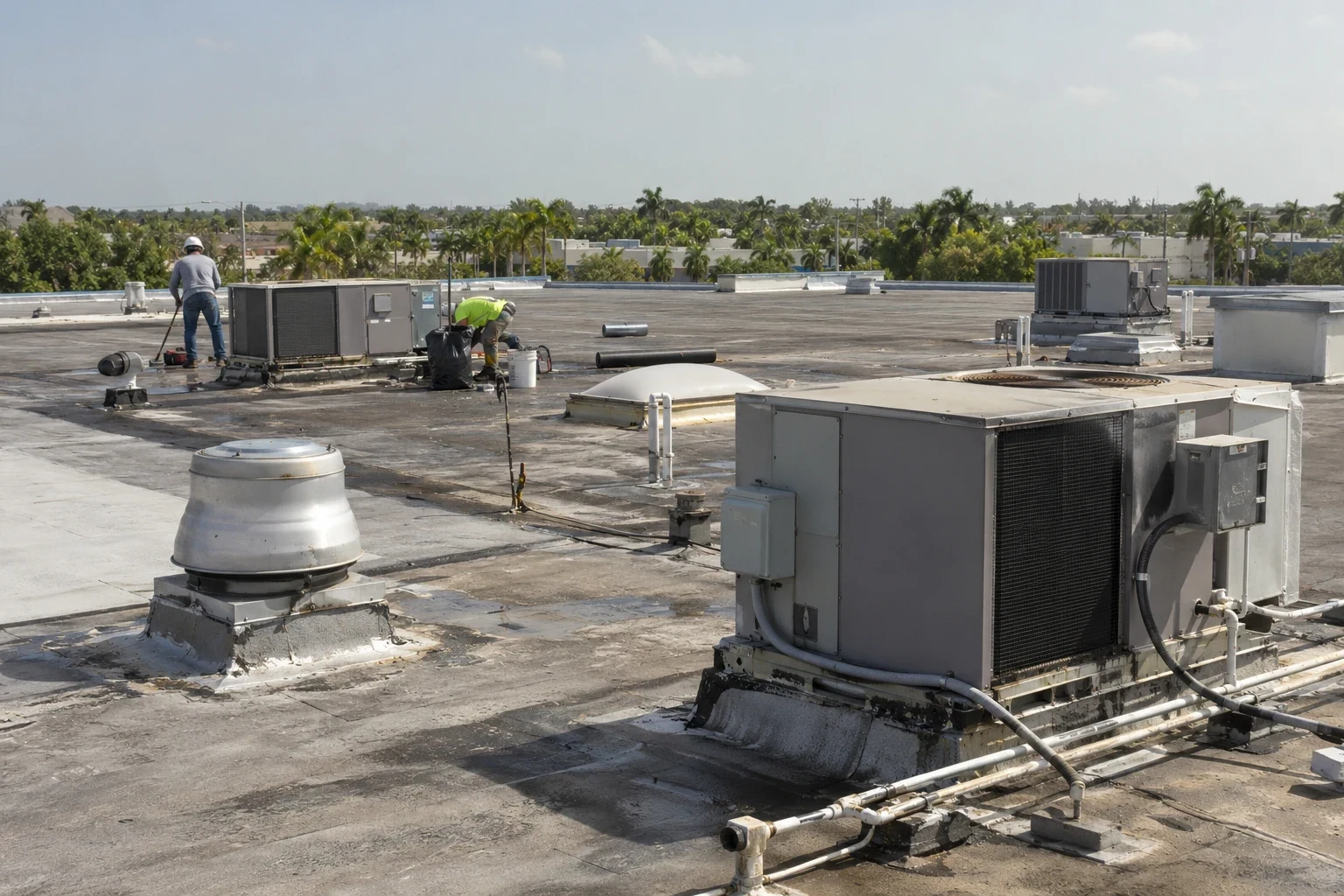
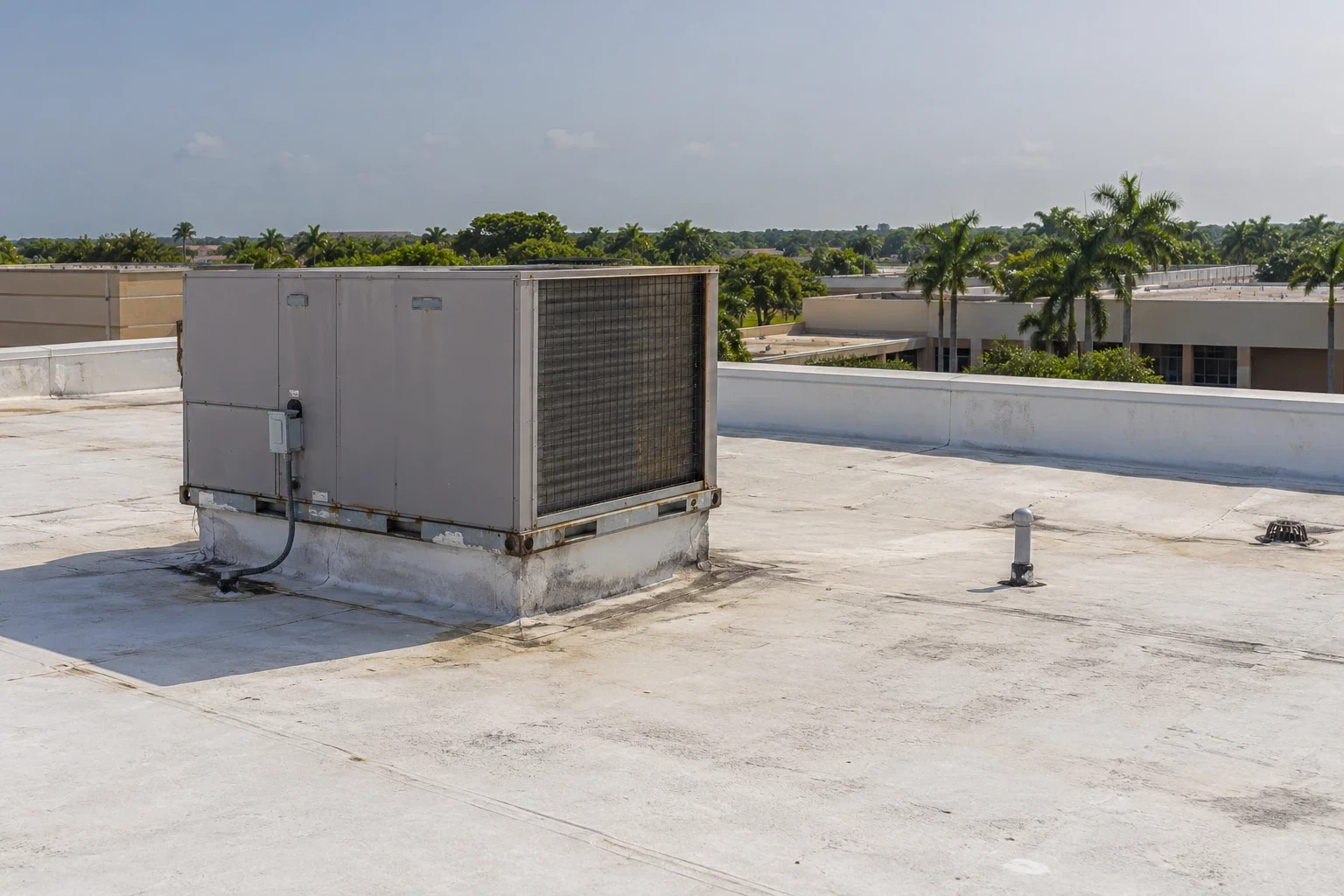
A district's roofs vary by campus and by building. A classroom wing, a gymnasium, a cafeteria, an auditorium, a media center and a mechanical room each have their own deck, slope, membrane and equipment. We walk each roof zone, photograph it in a fixed sequence, and rank the findings: active water entry points, drainage defects, edge condition, penetrations and surface wear. The inventory is built to be sorted by campus, by building and by consequence, and it shows a facilities director where a limited summer budget will do the most good. A district with dozens of buildings can compare them using multi-site roof programs.
Portable classrooms, covered walkways and storage buildings sit outside the main inventory on many campuses, yet they leak too. We add them to the list as their own lines, with a photograph and a condition note, so they are not forgotten until a teacher reports water on a desk. Covered walkways in particular shed water toward foot traffic, so edge metal and gutters on them are checked for loose sections.
Scopes written for review
School work passes through procurement, finance and often a board. A scope that can be compared across bidders is measured and specific: roof area by zone, system and attachment, flashing details, drainage changes, penetrations, exclusions and the repair boundary for any partial work. We write it so a reviewer who has never seen the roof can follow the reasoning from photograph to quantity. Alternates for recover versus replacement, or for added insulation, are priced as separate items. The same format works for municipal buyers, and public agencies use it in much the same way.
Drainage on wide school roofs
Classroom wings and gymnasiums are wide, low roofs with a few drains, and a blocked strainer on a rainy afternoon can put standing water on a large area within an hour. We follow the drainage plane from the high point to each outlet, measure ponding depth with a straightedge, note how long it remains after rain and photograph strainers, sumps, scuppers and downspout discharge. Persistent ponding near a drain suggests a low spot or a deck that has deflected, while ponding between drains suggests insufficient slope. The remedy differs: clearing and resetting a drain, adding a tapered insulation section, or adding an outlet. The scope names the one the evidence supports and prices it separately so a board can decide on it.
Because the city's stormwater models combine rainfall and tides, the ground side of the roof outlet matters. A downspout that discharges into a full or blocked line cannot relieve the roof. Districts with flood-prone sites benefit from asking facilities staff where each downspout goes and what the ground does with the water.
Gutters and edge details on pitched sections of a campus roof get the same attention. A gutter that has pulled from the fascia can dump water along a wall, and a clogged downspout can send it back under flashing. Photographs taken from the ground and the roof edge show the full run, and a short repair list follows.
Student safety and site control
Even during the break, schools host summer programs, camps, athletics and maintenance crews. The work plan marks entrances, bus loops, play areas and staff routes, and it keeps hoisting, staging and debris paths away from them. Fencing, signage and a daily check-in with the on-site contact keep the work zone clear. For work during the school year, such as emergency leak response and drain clearing, we limit activity to quiet roof-side tasks outside class hours and keep equipment off the ground near entrances. The principal receives a short written notice of what is happening and where.
Contractors on school property typically need background screening and sign-in. We handle those steps early, before the first day on site, so the first working day is spent on the roof and not at the front office.
Storm readiness before the term starts
Wind lifts a low-slope roof from its edges, and a school with older edge metal can lose it in a storm. Before the term starts, we recommend a check of edge metal, coping, drain strainers, scuppers and rooftop equipment covers, with photographs of each. The city's vulnerability assessment names storm surge, tidal flooding and compound flooding as climate risks, and over 11,000 properties are mapped into a FEMA Special Flood Hazard Area, so a district should know which of its sites are affected and how local flood-elevation requirements bear on equipment placement. School roofing work after a storm begins with the roofs over occupied classrooms.
Records across many campuses
The closeout file for each building holds dated photographs, the final scope, product data, drawings of repair areas, permit records and open items. Permit records belong in each building's file, since Hollywood's Building Division inspects reroof work against the 2023 Florida Building Code. For districts with campuses across the area, including those in Pembroke Pines and Miramar, the same file structure supports a multi-year plan that spreads replacements over several summers. A roof capital plan then ties the sequence to budget cycles, and a district that also manages charter or leased space can share the format with its property managers.
A short summary table, listing each building with its last inspection date, open items and planned work, gives a board a quick view of the whole inventory.
Related Roofing Topics