Roof manufacturer system types in Hollywood, FL, and how membranes, insulation and accessories are installed, repaired and maintained to published details.
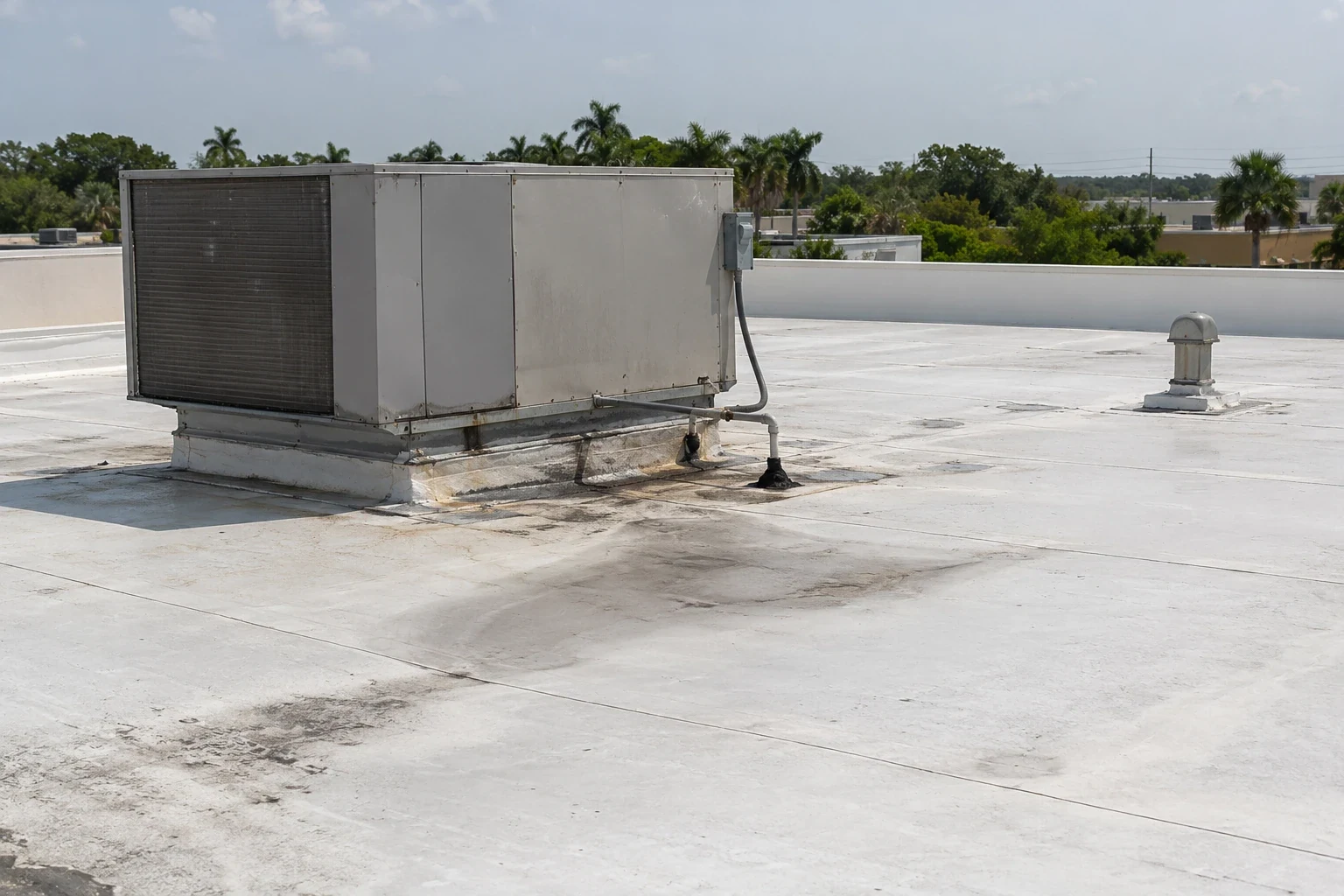
A roof membrane is one layer in a system that includes insulation, attachment, flashing and edge metal, all specified to work together. In Hollywood, FL, where surface temperatures climb in August and heavy rain follows within hours, a patch that does not match the system around it opens first at the border. Identifying the system comes before choosing repair materials.
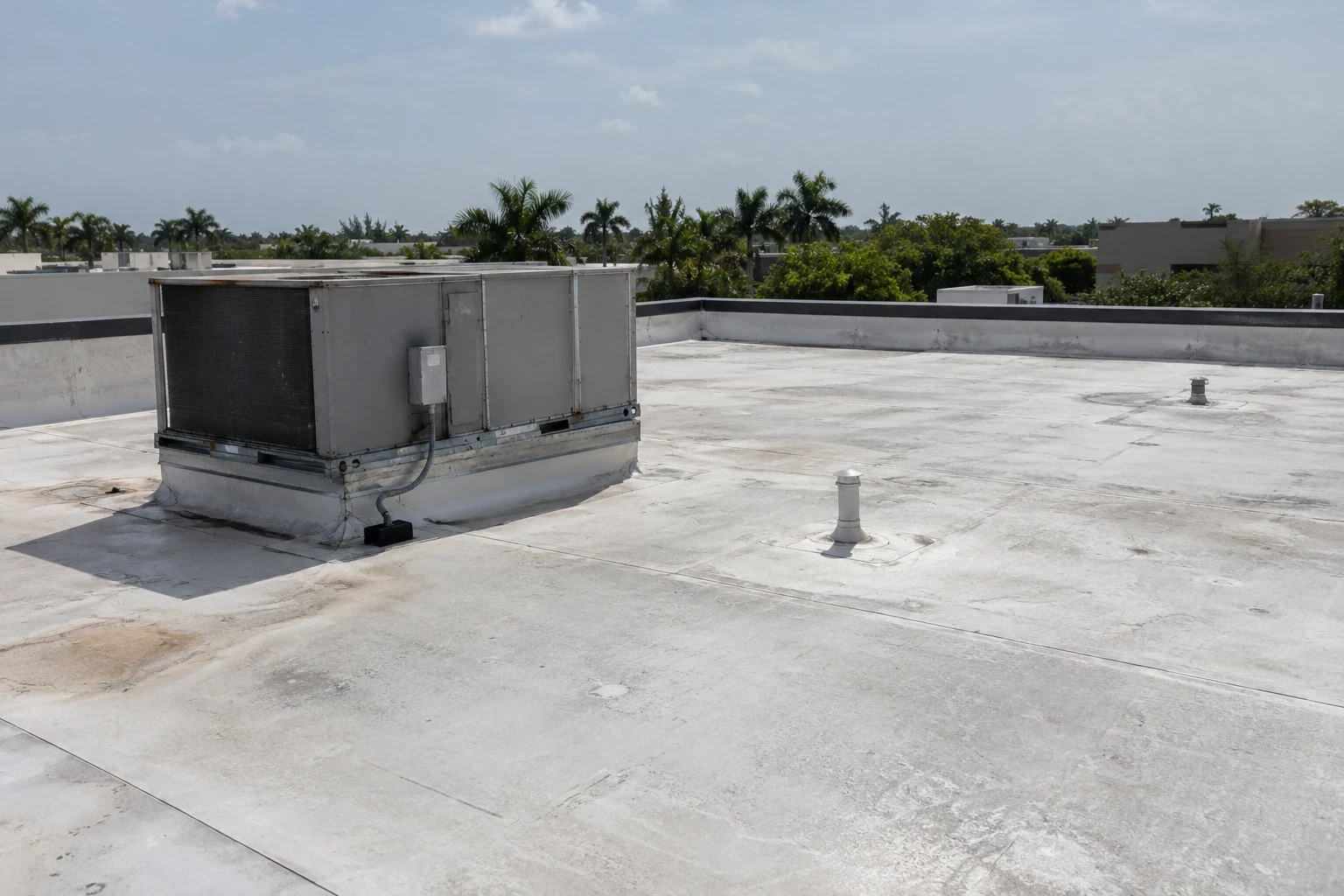
Records, labels, seam appearance and core samples show what is on the roof. When the product is unknown, a compatibility test on a small area guides the choice of adhesive or weld, and the result goes into the inspection file for the next crew.
Identification also covers the layers below the surface. A core cut shows the number of plies, the insulation type and thickness, the condition of the deck and whether earlier roofs remain underneath. That information decides whether a recover is workable and which products can be used at the edges.
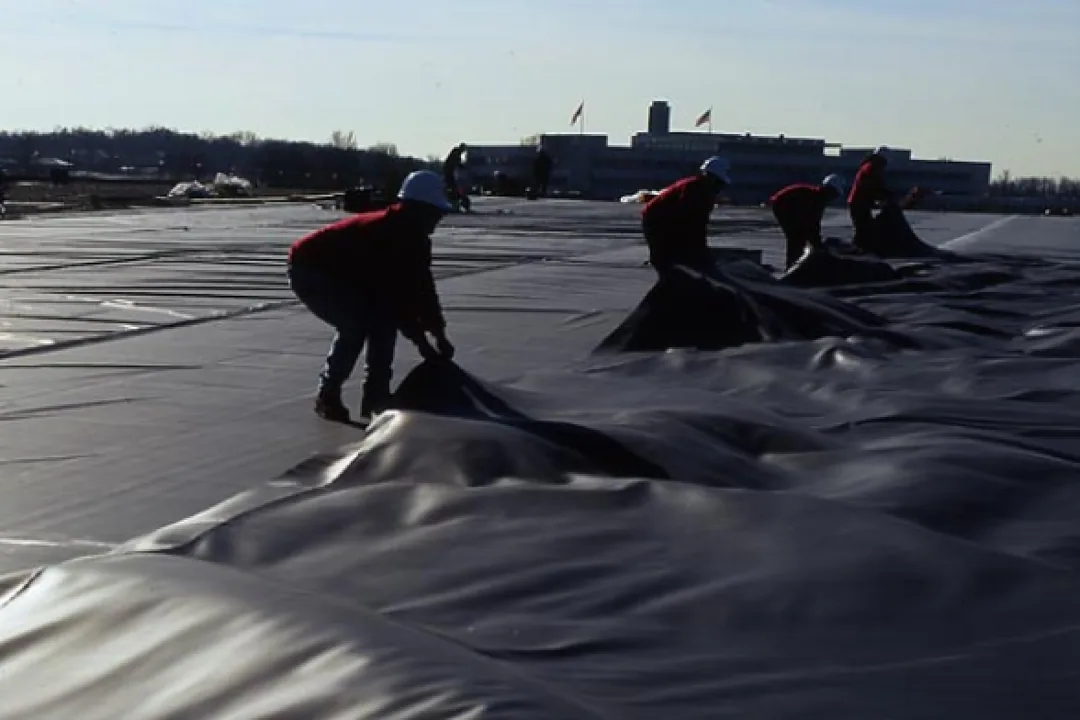
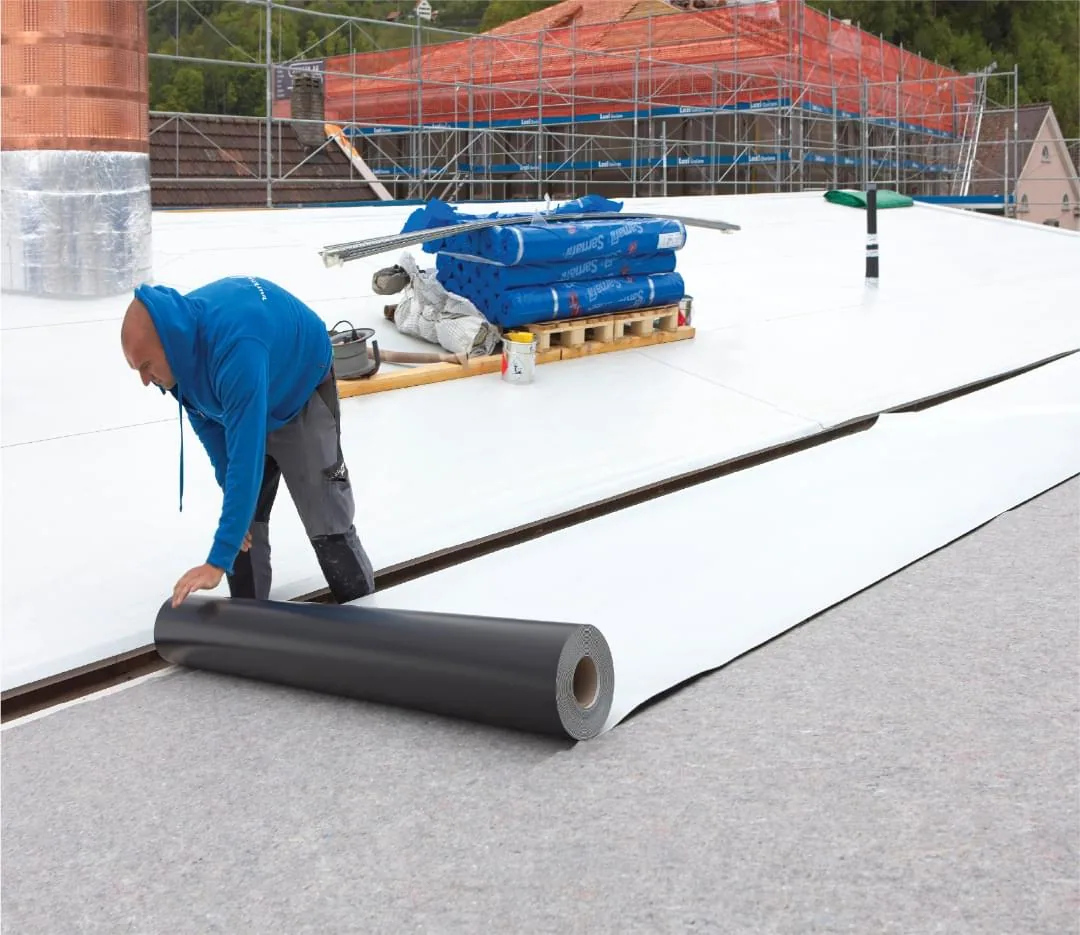
Thermoplastic and rubber sheet systems are made by companies such as Carlisle SynTec, Versico, Sika Sarnafil and Duro-Last. Seam welding or adhesion, termination bars and surface cleaning govern a lasting repair, and a membrane with dirt or chalking needs preparation before anything bonds.
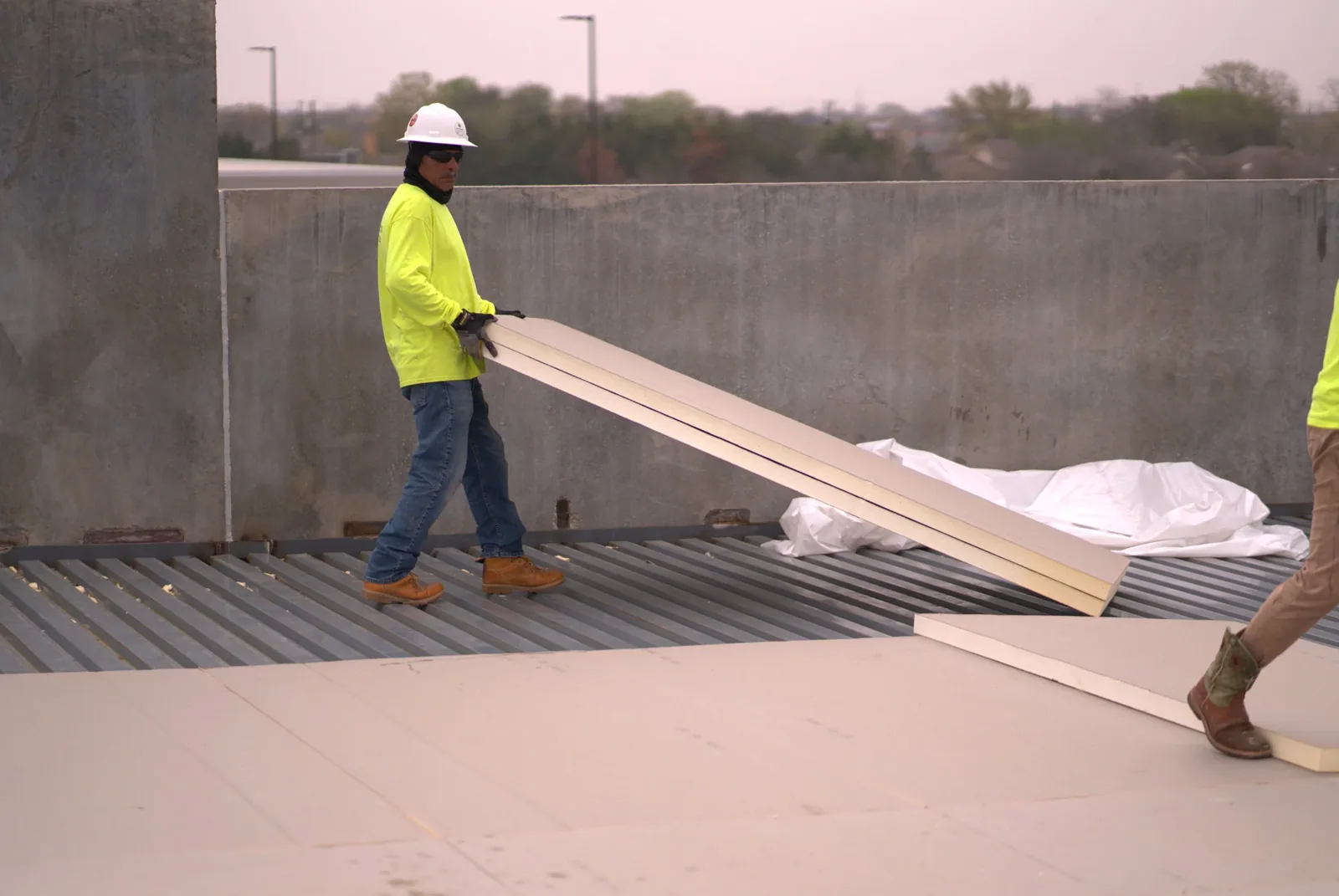
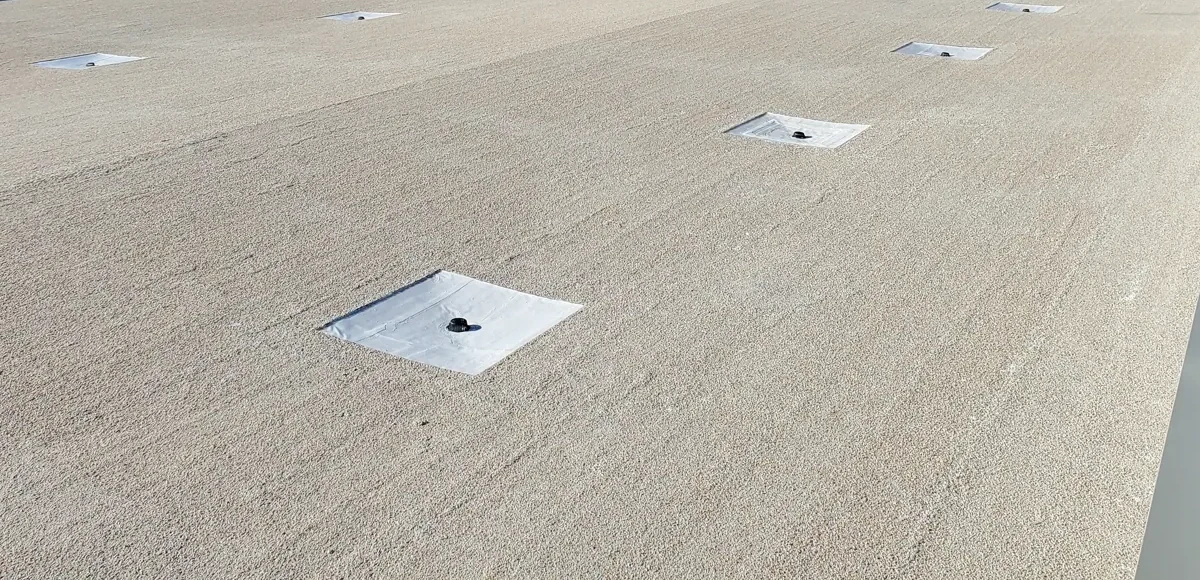
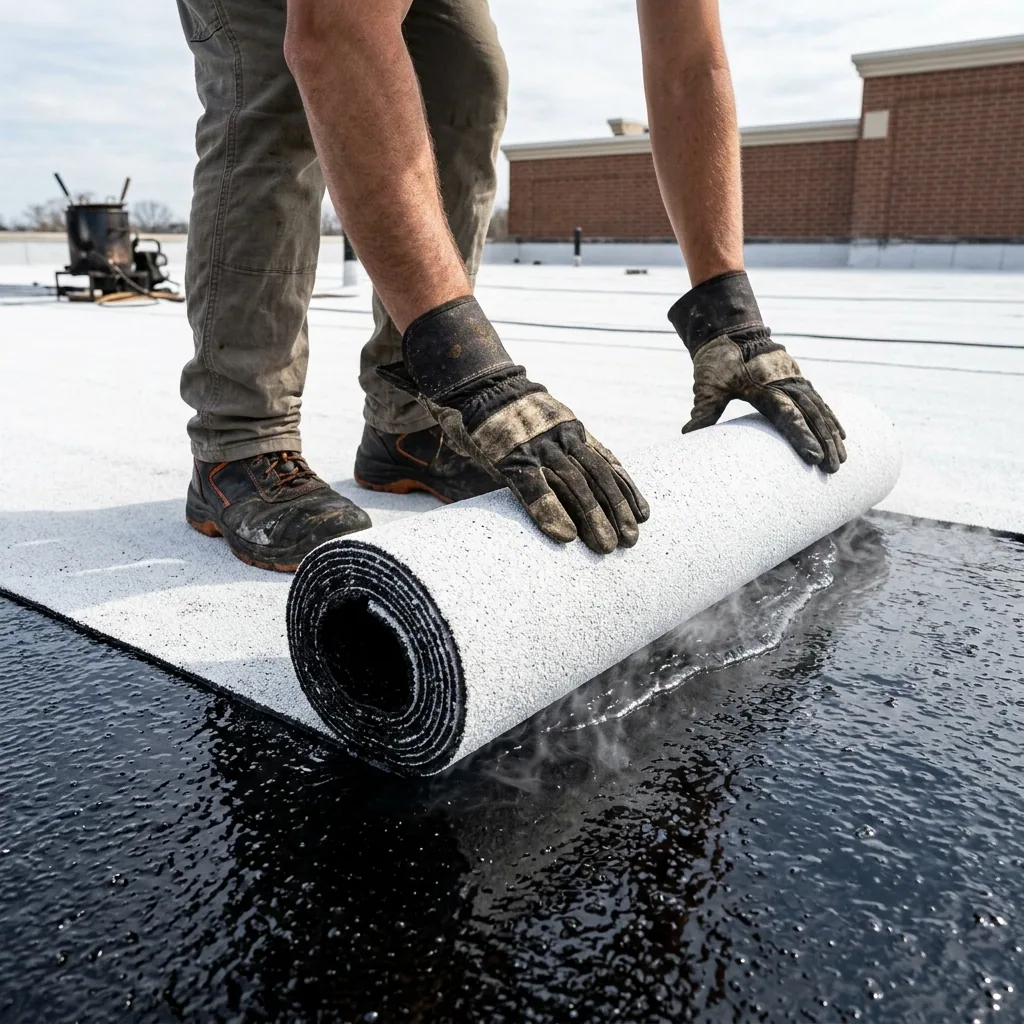
Layered, insulated and liquid-applied systems come from companies such as GAF, Johns Manville, Soprema and Holcim Elevate. Their published details cover insulation attachment, cover board, bitumen sequencing and flashing resins, and each step affects drying potential and wind resistance.
The manufacturer's installation detail governs how the system is built, and warranty terms are set between the manufacturer and the owner. Terms, notice windows and inspection duties are recorded in the roof warranty management file so a repair starts with the right terms in hand.
A repair done off-detail can complicate a claim later, so the crew leader records the product, the lot where available, the weather and the substrate condition at the time of work. Those entries are brief, but they answer most questions a manufacturer's reviewer will ask.
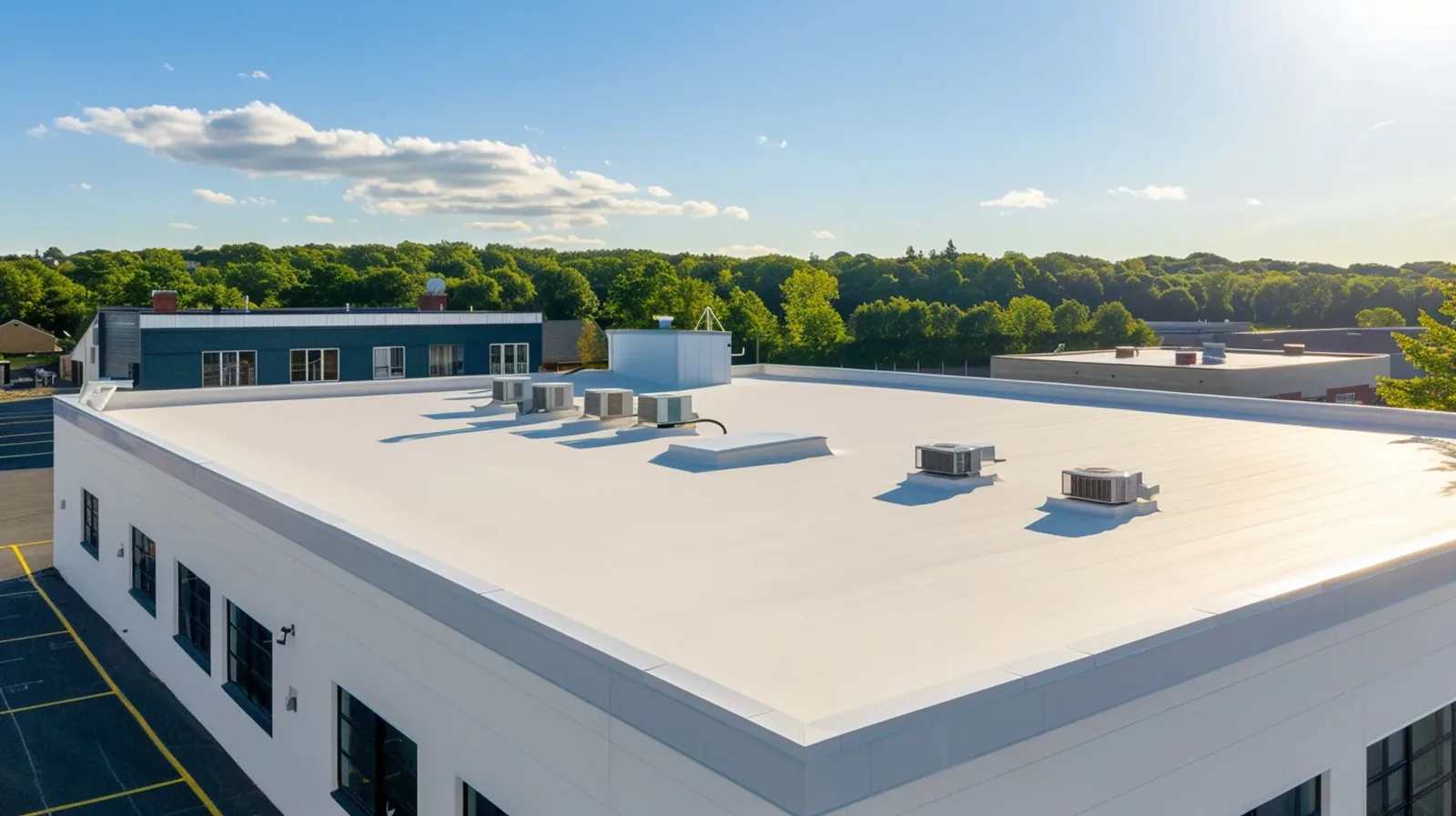
Hollywood runs a yearly mean near 76 degrees, and August afternoons approach 90. Reflectivity, thermal movement and ponding tolerance are weighed for each system, and the 2023 (8th) edition of the Florida Building Code sets the wind and permit framework for a project. Work around the Downtown Hollywood district follows the same published details.