Need this roof reviewed?
Roof warranty management in Hollywood, FL: keeping manufacturer coverage in force through records, notice, approved repairs and tracked equipment changes.
A new rooftop unit installed by a mechanical contractor, with a few screws through the membrane and a bead of sealant, can quietly change the terms of a roof warranty. Nobody sees the change at the time, and nothing leaks for months. When water finally appears, the owner reaches for the warranty and finds that coverage depends on conditions that were not met. Warranty management is the habit of knowing what the paper requires and keeping the roof, the records and the repairs in line with it. In Hollywood, FL, where summer heat and heavy seasonal rain work on every membrane, the file matters most when a claim is closest, so we maintain it as carefully as the roof.
The warranty file and what belongs in it
The file starts with the warranty document itself and the product data for the installed system. It adds the installation record, the contractor's name, the permit and inspection records, and any manufacturer inspection reports. Each later repair, equipment change and maintenance visit is added with a date and a photograph.
Permits for reroofing are issued through Hollywood's Building Division under the Florida Building Code, Eighth Edition (2023), and keeping those papers in the warranty file records how the roof went in. A buyer, a lender or the manufacturer can ask for any of these papers, and a complete file lets the manager answer from documents.
Owners of buildings in Downtown Hollywood or on Johnson Street may change tenants and fit-outs, and every fit-out that touches the roof deserves an entry. We keep a one-page list of what has been added since installation, with the date and the party responsible, and we update it after each visit.
A short index sits at the front of the file. It lists where the warranty, the last permit, the latest moisture map and the most recent inspection can be found, so a reader does not need to search through invoices when a deadline is near.
Terms to read before a problem appears
Warranties differ, and we do not paraphrase a document we have not read. These are the terms worth checking on any commercial warranty: the covered components, the exclusions, the wind-speed or storm limits, the treatment of ponding water, the notice period after a leak is found, the repair procedure, the approved contractor requirement and the rules for transfer. Each can change what the owner may do without losing coverage.
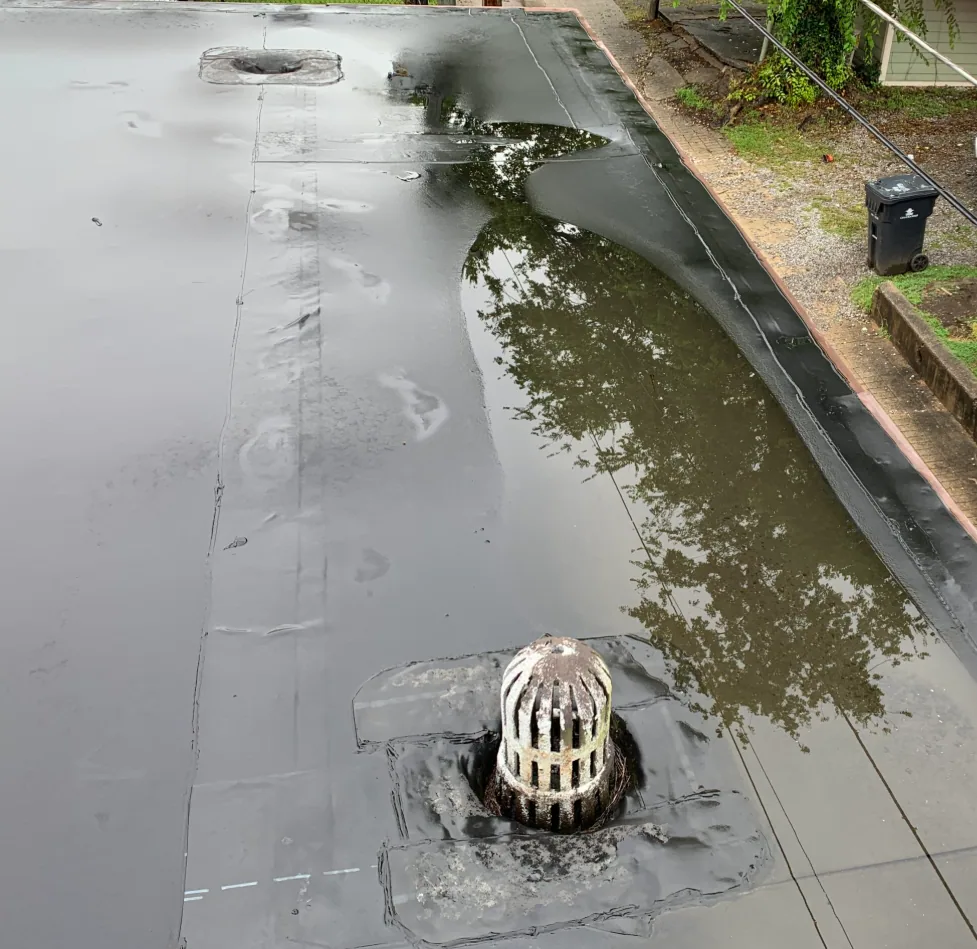
Ponding is a good example. Many warranties address standing water, and a roof that holds water at a settled corner may be treated differently from one that drains freely. Ponding water roof repair may therefore be part of protecting the warranty, not only the membrane. We list the relevant terms in the file in plain language and flag the ones that affect maintenance.
Wind terms are worth special care in South Florida. A warranty may state a maximum wind speed, require specific attachment or exclude named storms, and the Florida Building Code sets its own design requirements through the permit. We compare the two and note any gap for the owner to raise with the manufacturer or the insurer.
Remaining term is worth tracking as well. A warranty near its end changes the value of a repair claim, and a roof with years of coverage left may justify a different maintenance emphasis than one whose coverage has lapsed. The file shows the dates plainly.
Equipment changes, penetrations and trade work
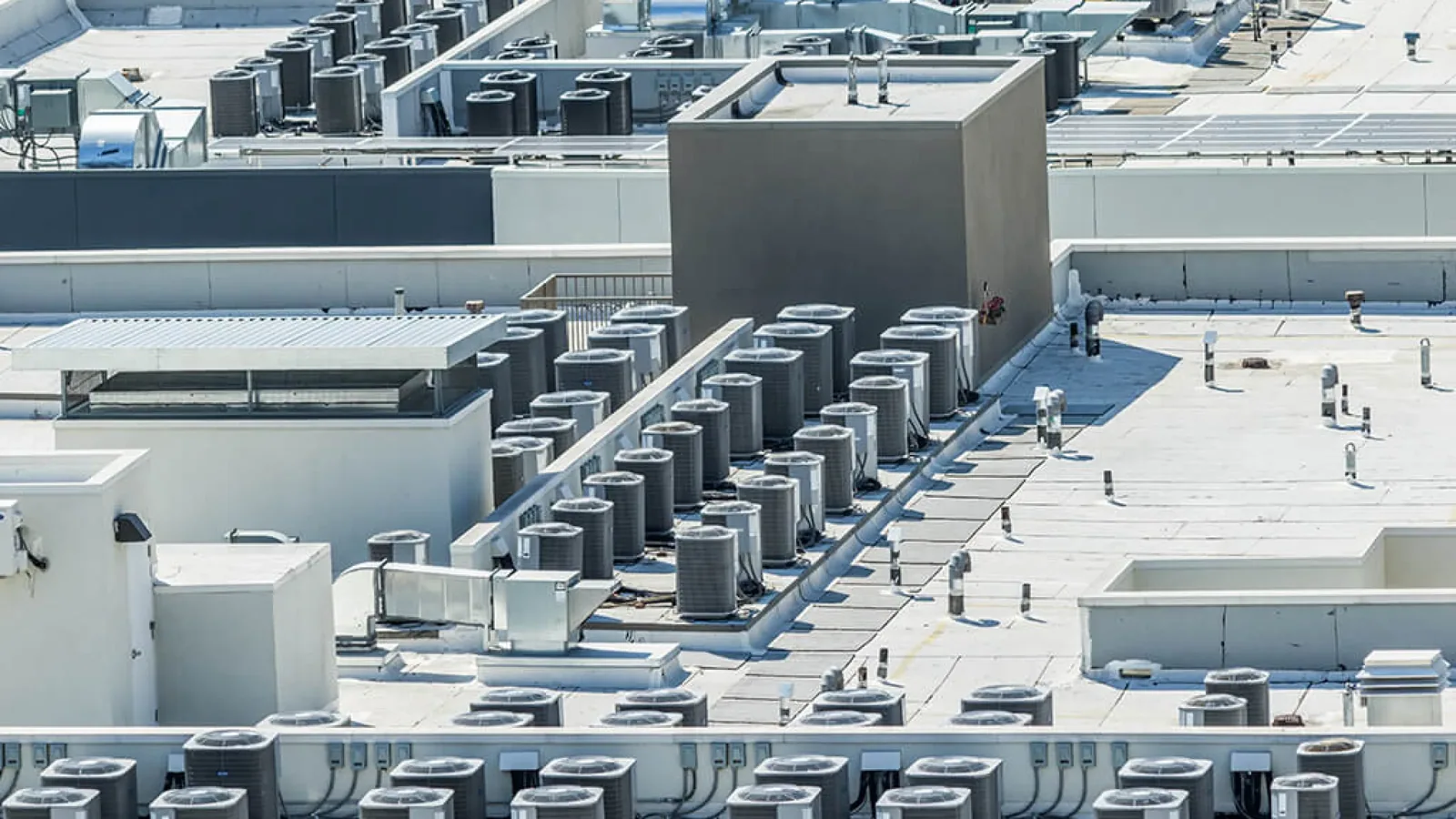
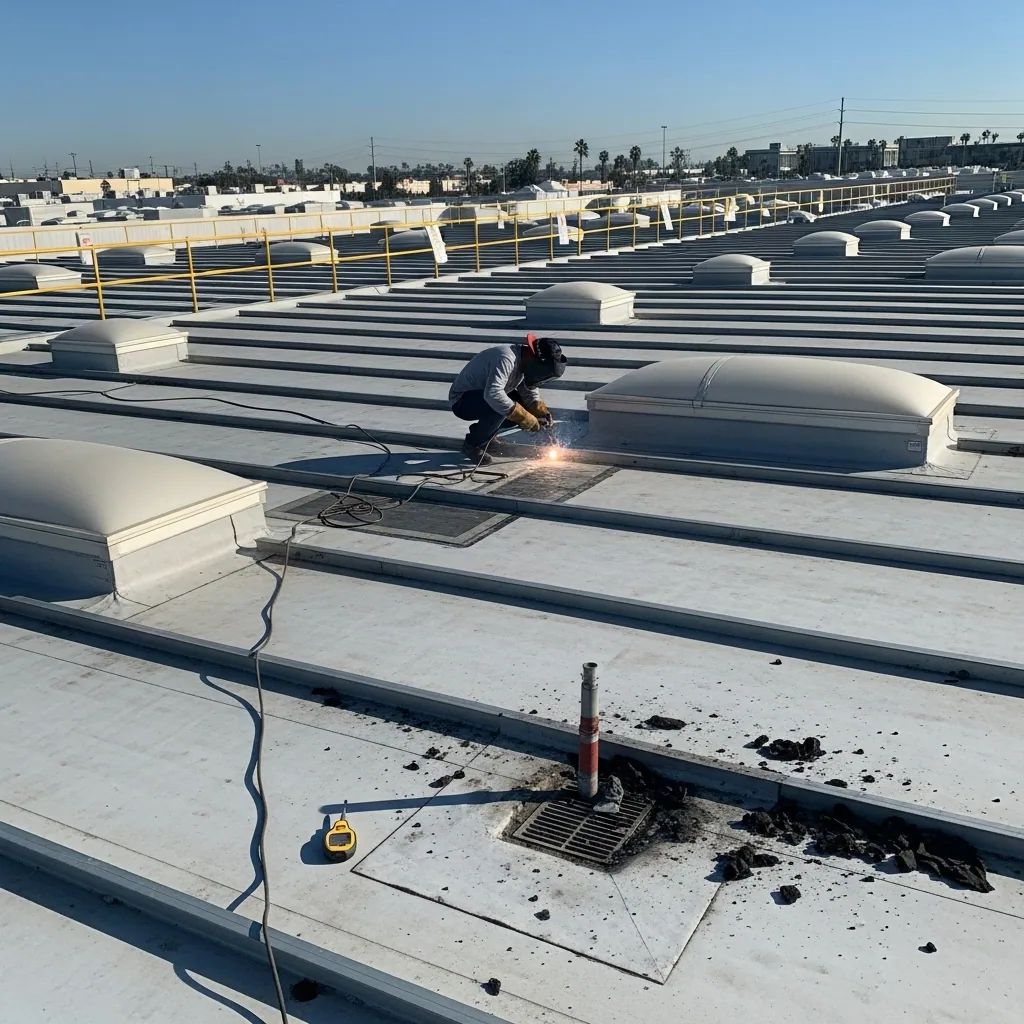
Most warranty trouble starts with other trades. A new curb, a conduit run, a satellite mount or a cut for an exhaust fan can breach the membrane, and a warranty may require that such work follow the manufacturer's details. Before a trade works on the roof, we recommend a short notice to the manager: who is going up, what they are doing and how the opening will be flashed.
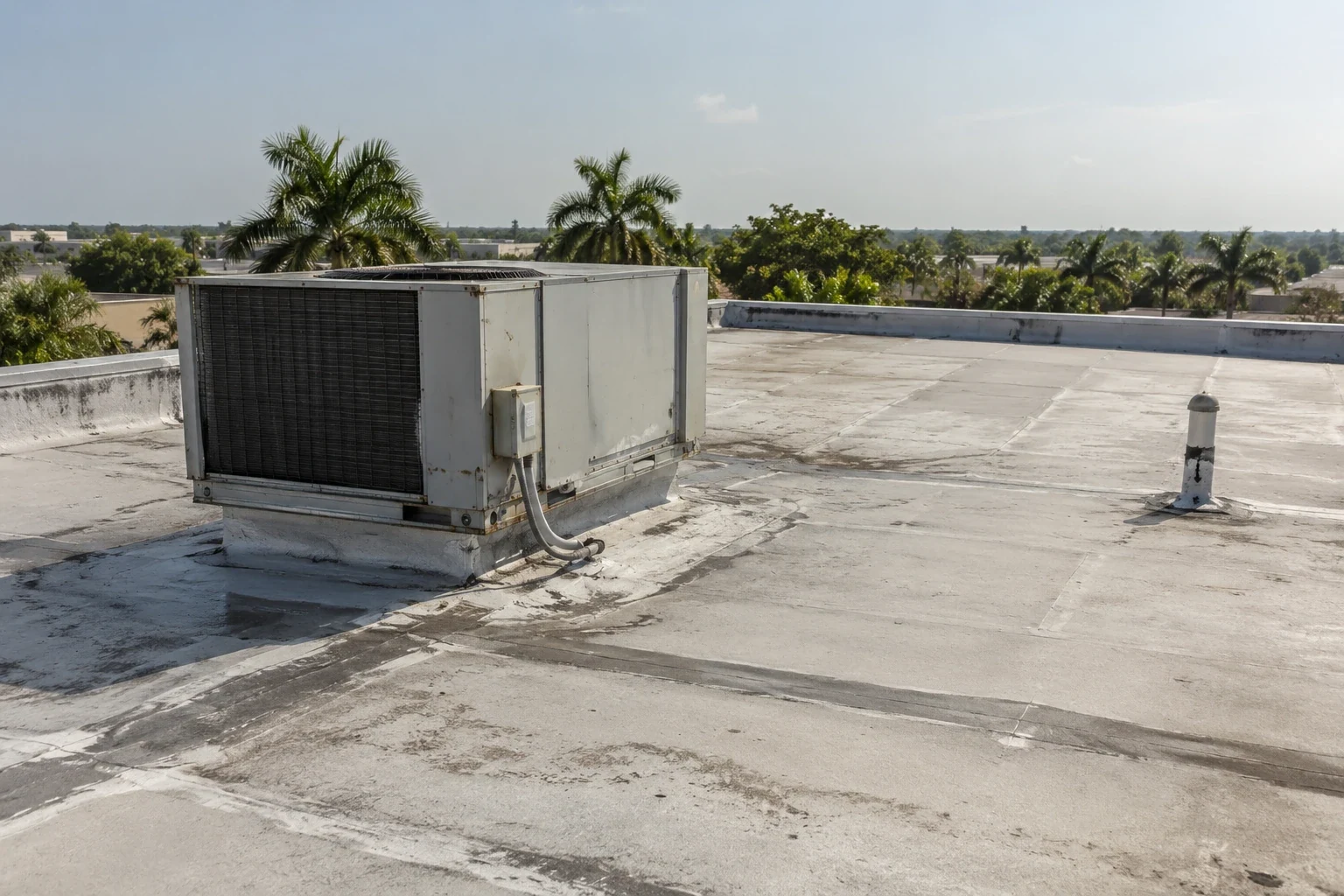
We map every penetration and note who installed it and when. Our work on rooftop equipment curbs and supports follows the system's published details where they exist. When a penetration is added, the file records the new flashing, a photograph of the finished work and the date, so any later question about it has an answer.
Foot traffic is a quieter risk. Technicians who visit regularly wear paths into the membrane, and some warranties exclude damage from traffic or tools. Walk pads along the access route protect the roof and the coverage together, and the pads are logged in the file.
When a roof is replaced, the new warranty file begins on day one: product data, installation photographs, the final inspection and the names of the crew lead and inspector. Those items are far easier to collect at the time than years afterward.
Notice, repairs and approved procedures
If a leak appears, the clock may start. Many warranties set a period for written notice, and some require that repairs be made by an approved contractor or follow a specified procedure. We ask the manager to check the terms first, then document the leak with photographs and a moisture reading before anything is disturbed.
Temporary protection is always allowed in practice, and we photograph it so it is not mistaken for a permanent repair. A permanent commercial roof repair follows the procedure the document requires. Where the document calls for the manufacturer's own approval, the owner makes that request and we supply the facts: location, cause, photographs and the proposed repair.
Photographs and dates matter more than adjectives. A note that says a seam was open at a stated location on a stated day, with a picture, is far stronger than a general complaint of leaking. We keep notes in that form from the first visit.
Maintenance records that keep coverage credible
Warranties commonly expect reasonable maintenance, and the proof is a record. A preventive roof maintenance log shows drain cleaning, debris removal, sealant checks and inspections after storms. Rain at the Hollywood station peaks near 8.8 inches in June and again in September, while the National Weather Service marks mid-May to early July as the wet season's stormiest phase. A dated log pays off most just before and just after those months.
The same record supports the roof condition report and the roof asset register. When a claim, a sale or an audit arrives, the manager has dated evidence instead of recollection.
Review before expiry is a good habit. A walk a few months before the term ends can find defects while the paper still applies, and any finding is reported within the notice period the document sets. That visit costs little against a repair made after coverage ends.

