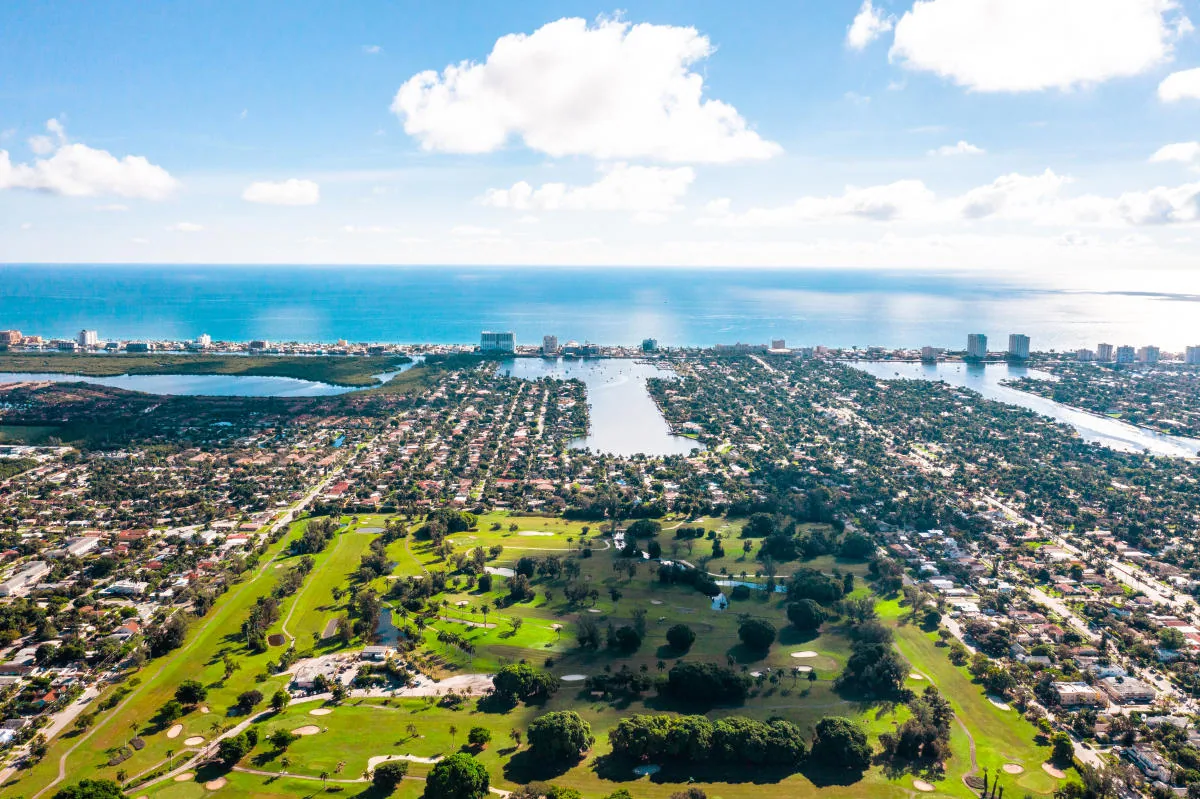
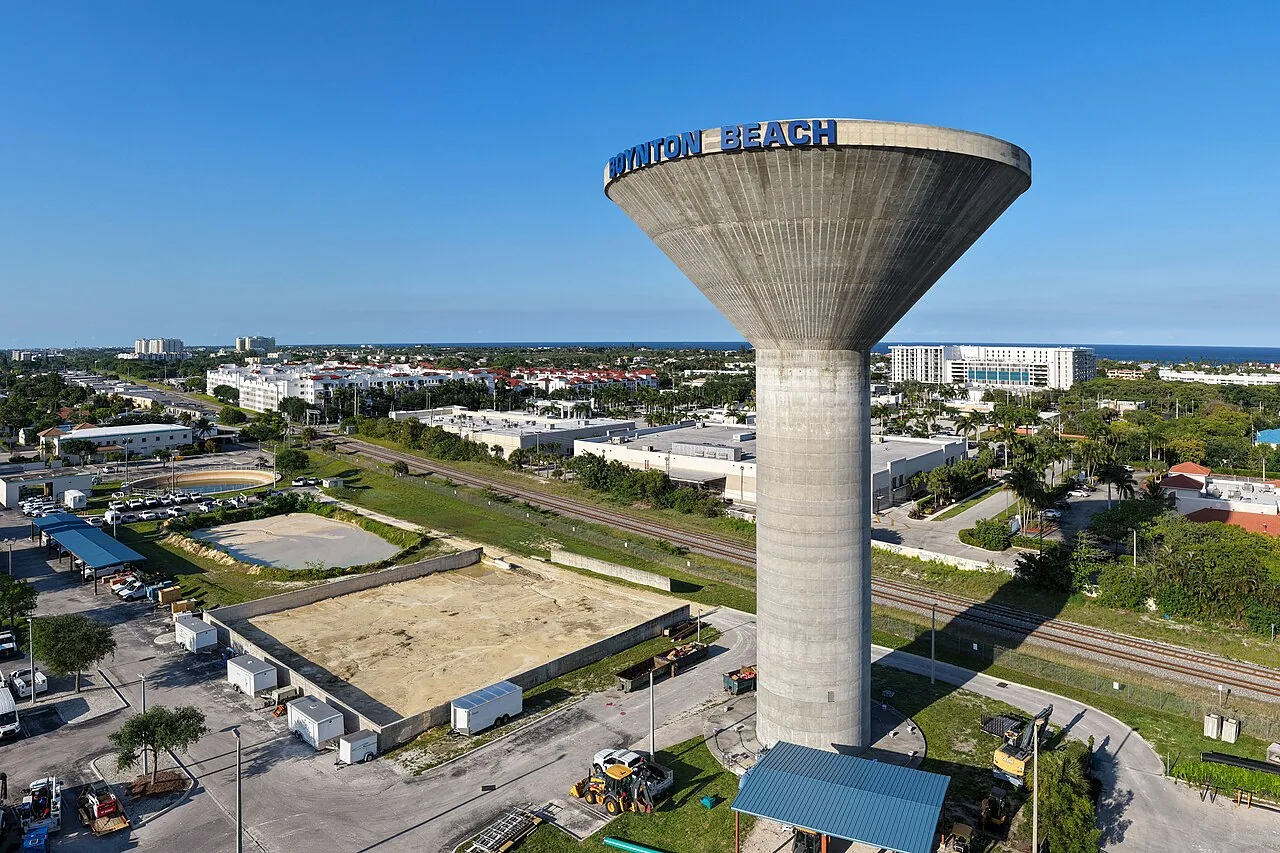
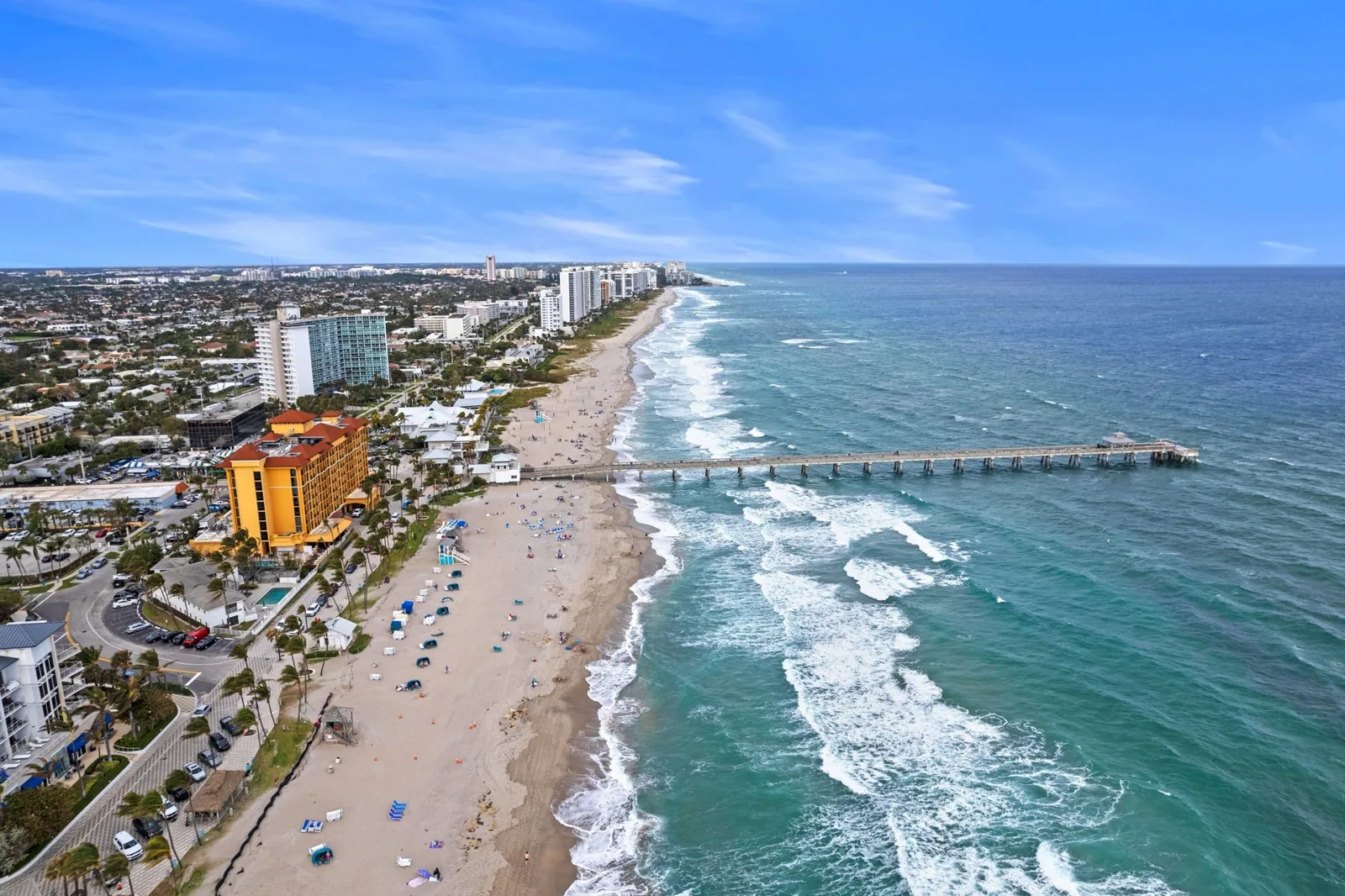
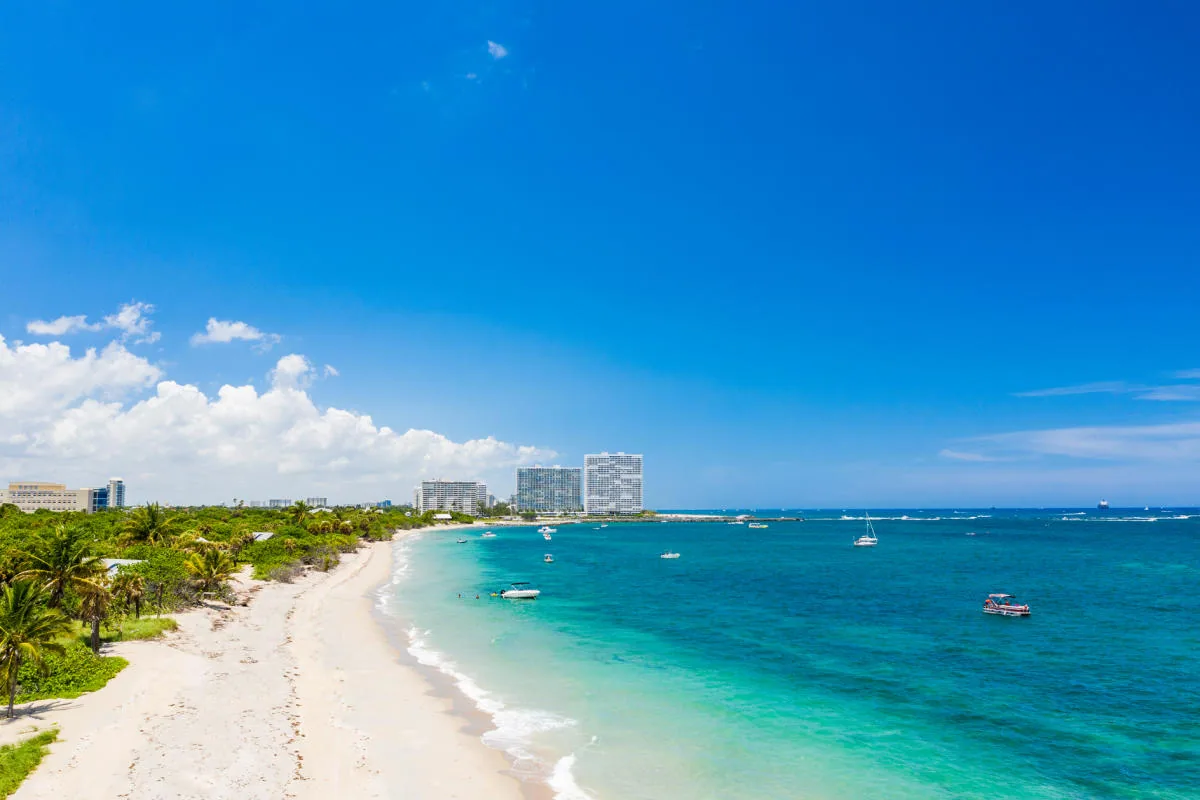
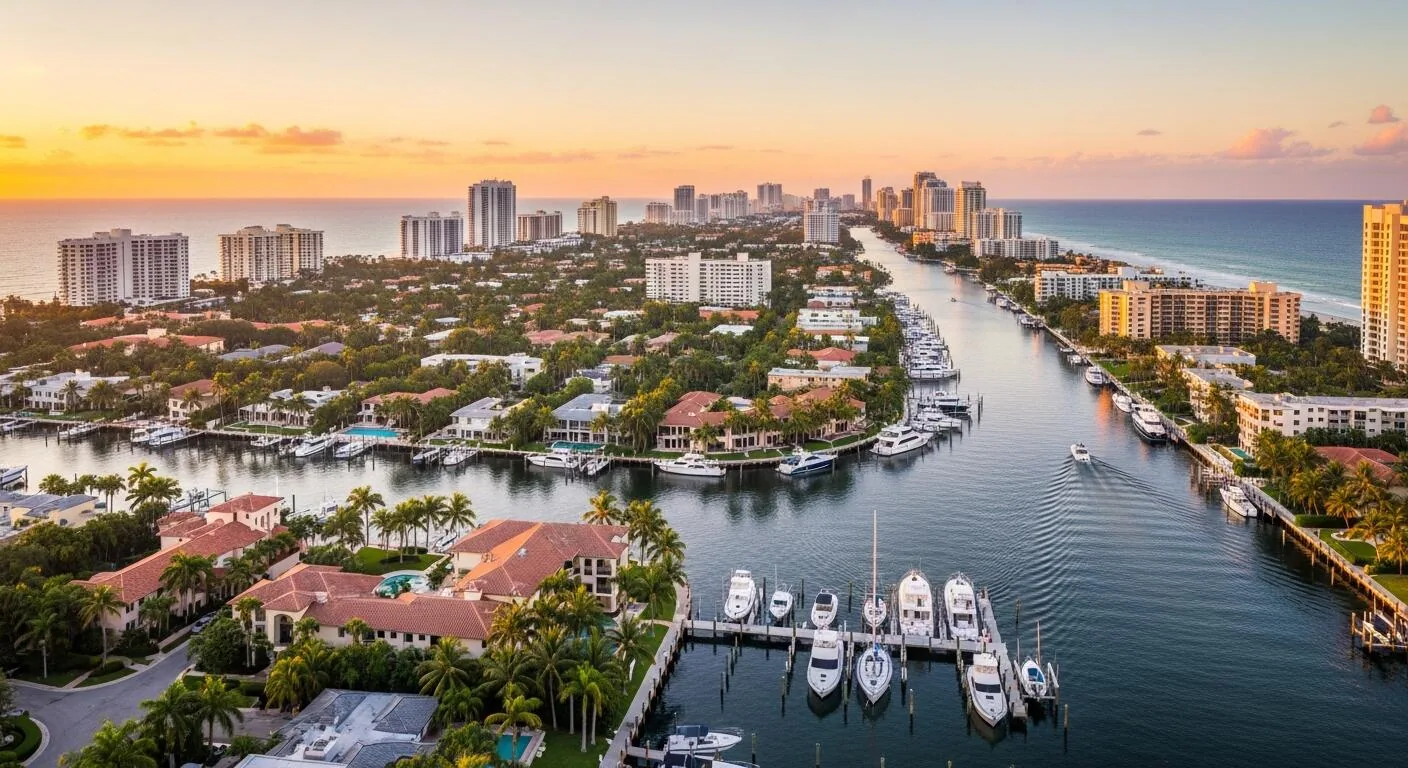
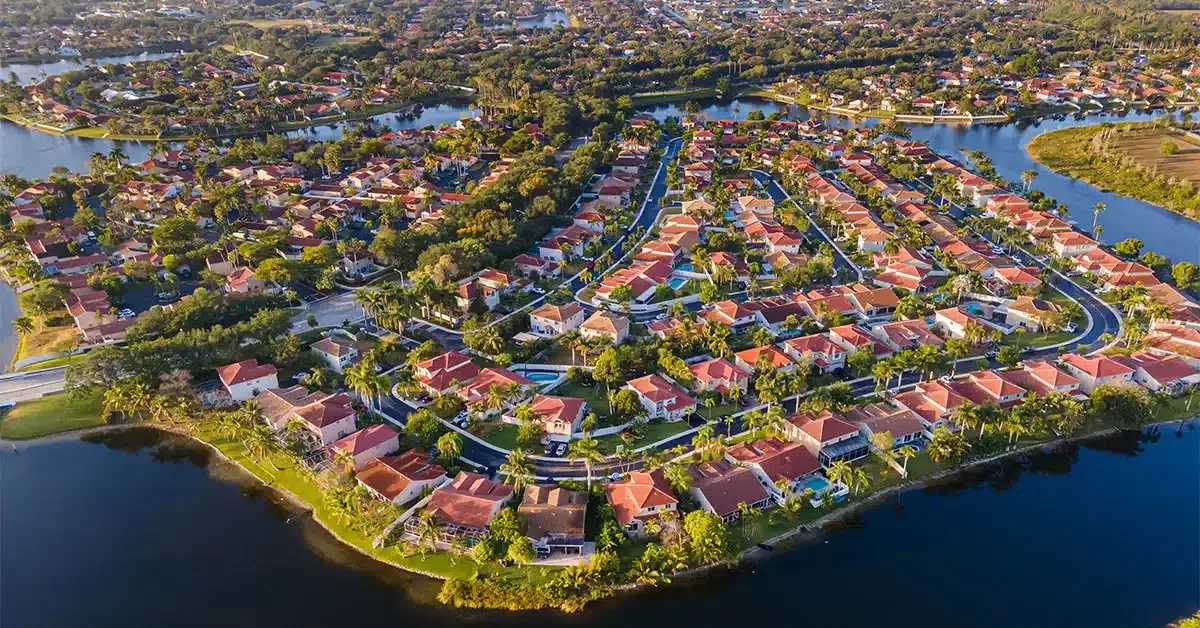
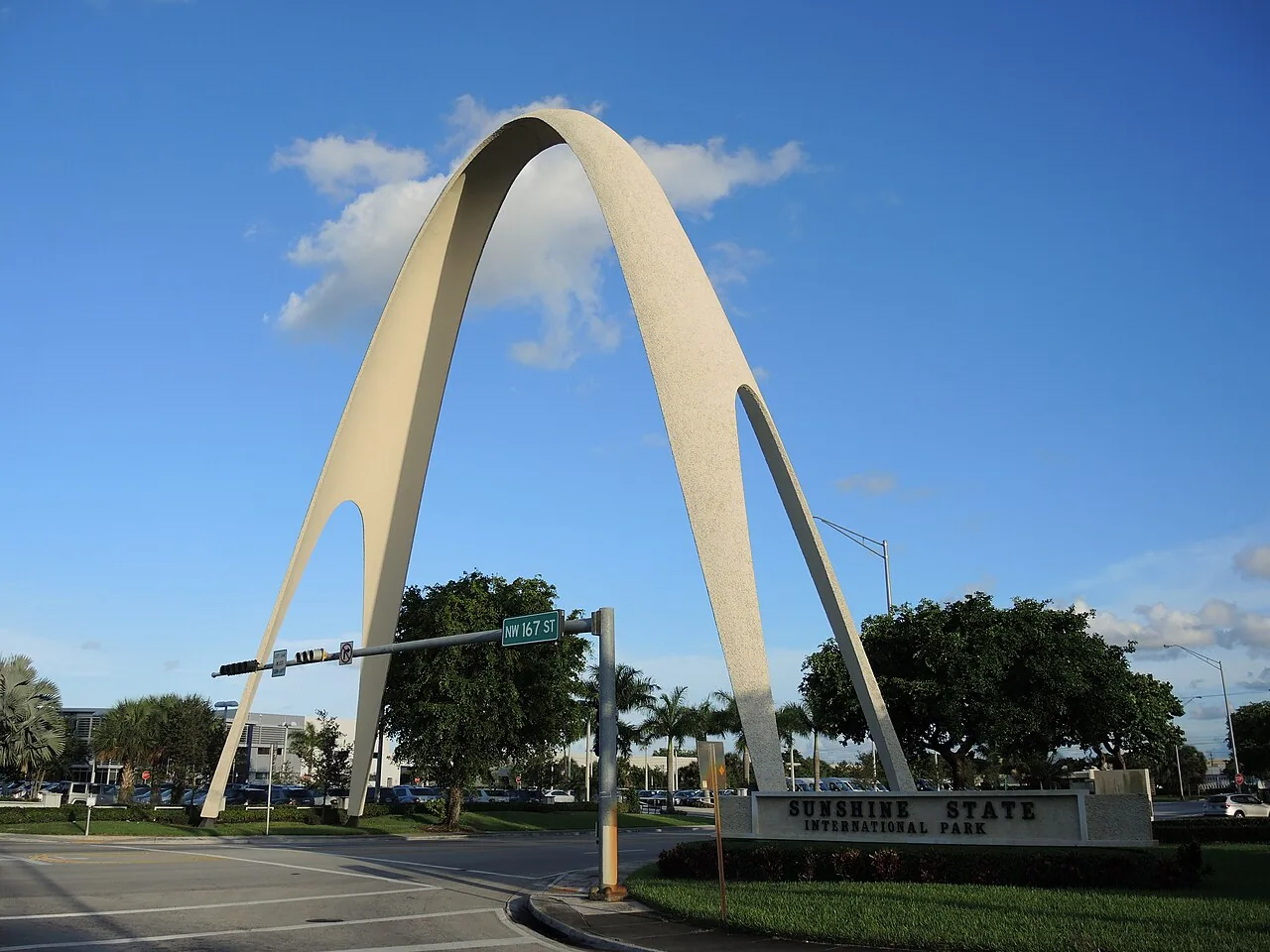
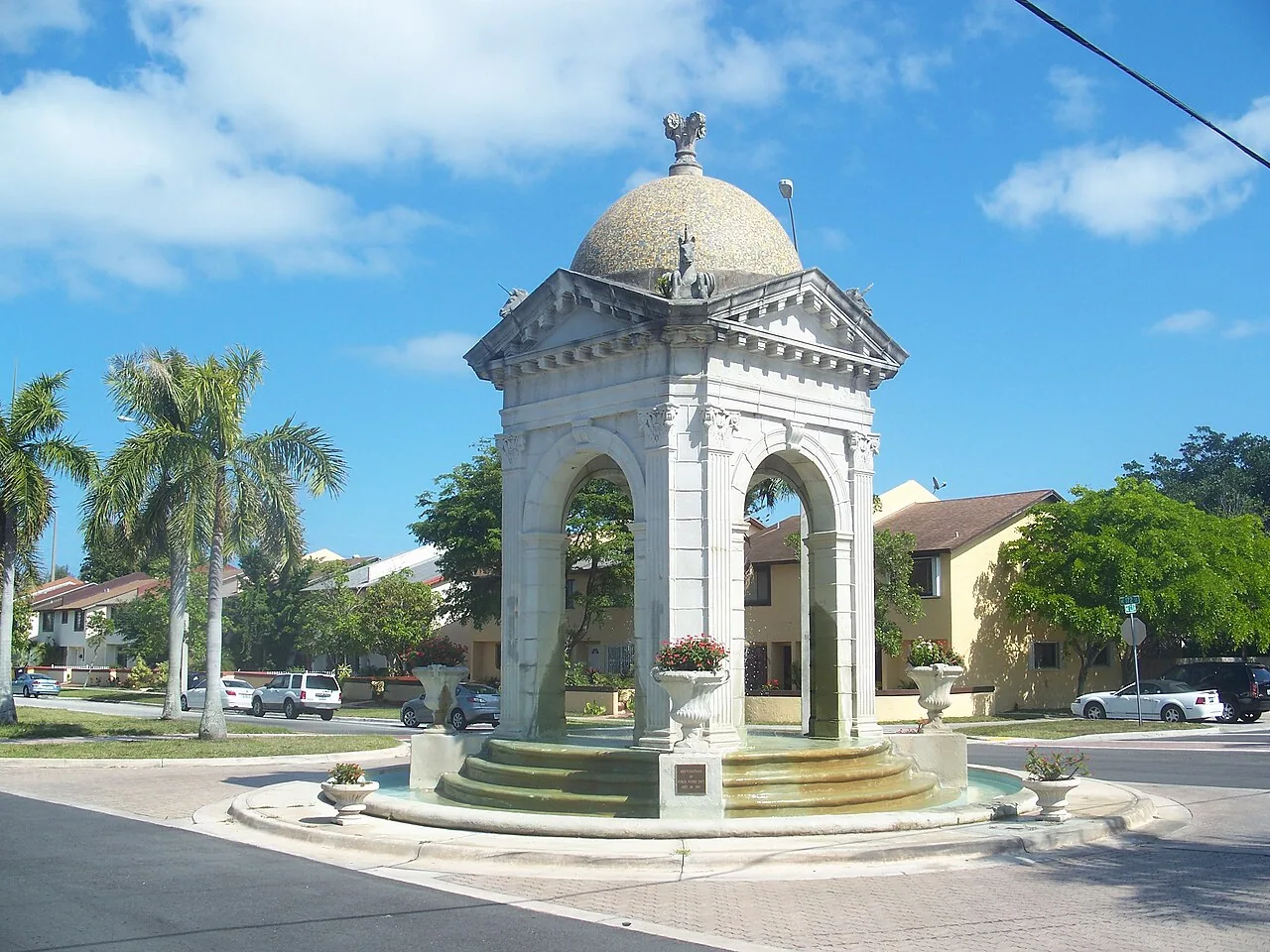
Commercial roofing service areas in Hollywood, FL and nearby Broward and Miami-Dade cities, from downtown and the beach to industrial parks and corridors.
Where a roof sits changes how a crew reaches it. A rooftop above a pedestrian street needs deliveries timed around closures, while a building behind surface parking on a boulevard offers a clear lay-down area. The areas below group the Hollywood, FL market and the cities around it by the kind of commercial roof and access they tend to present.
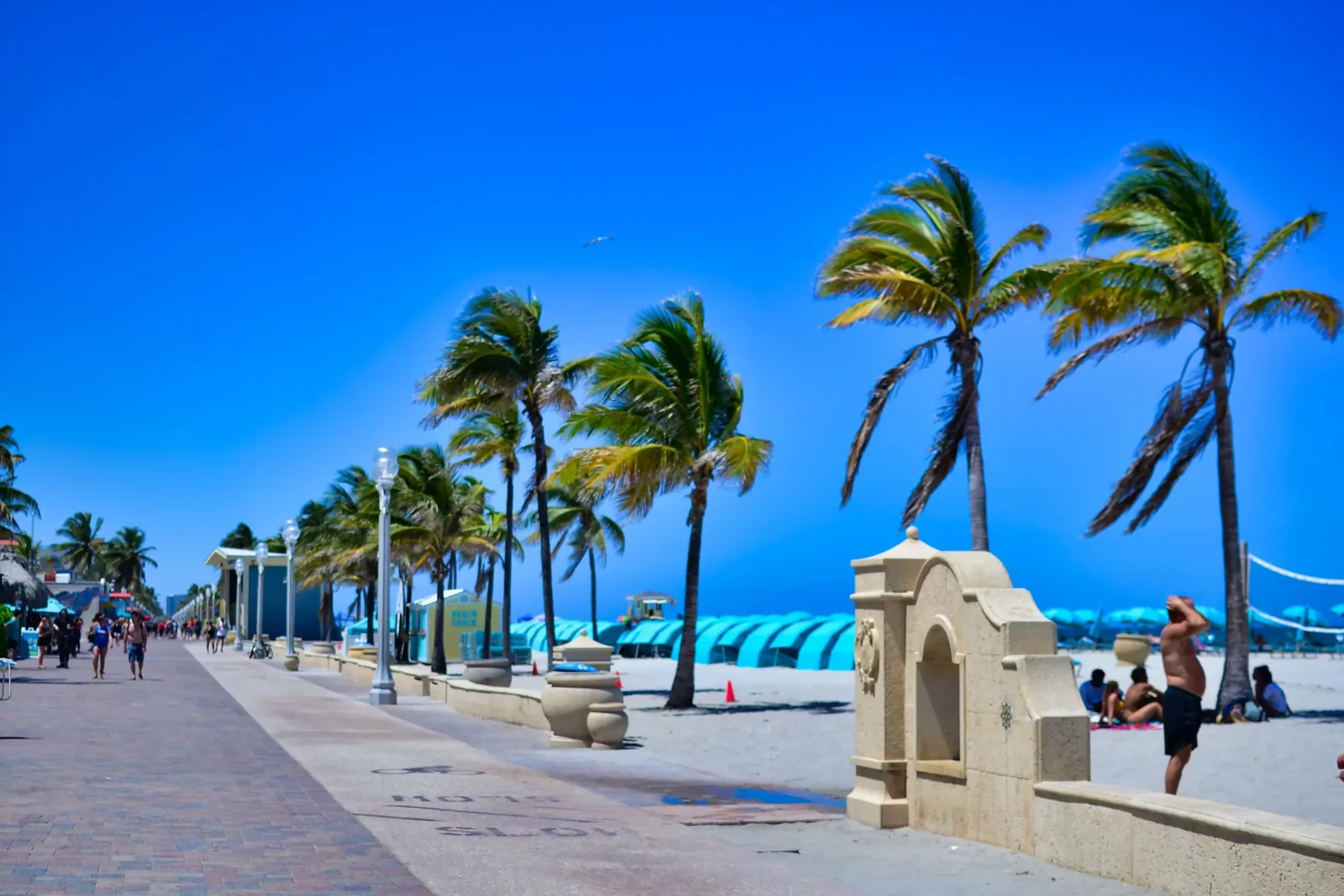
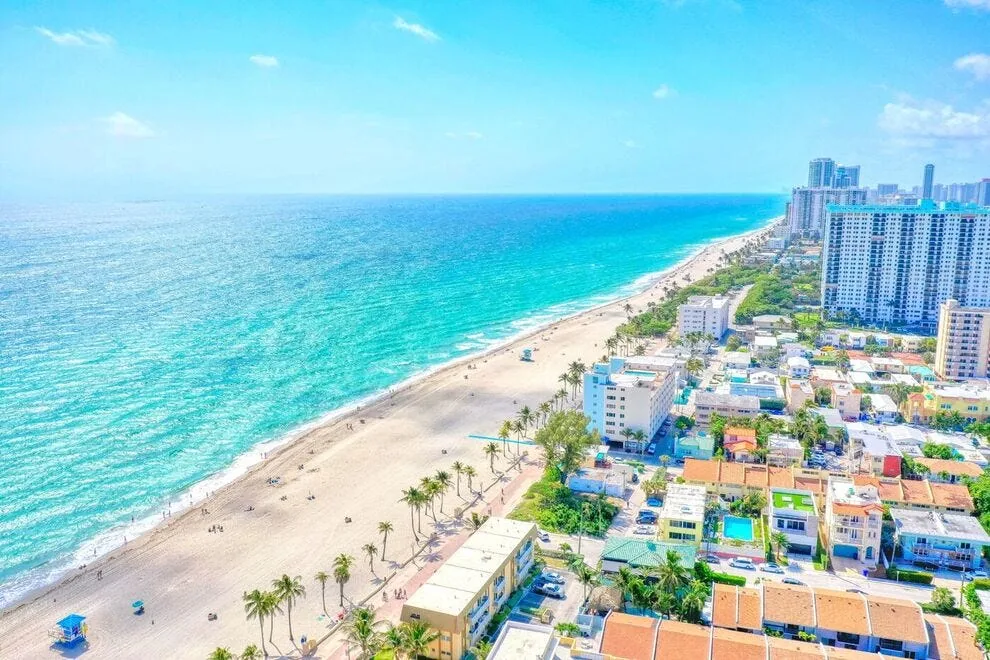
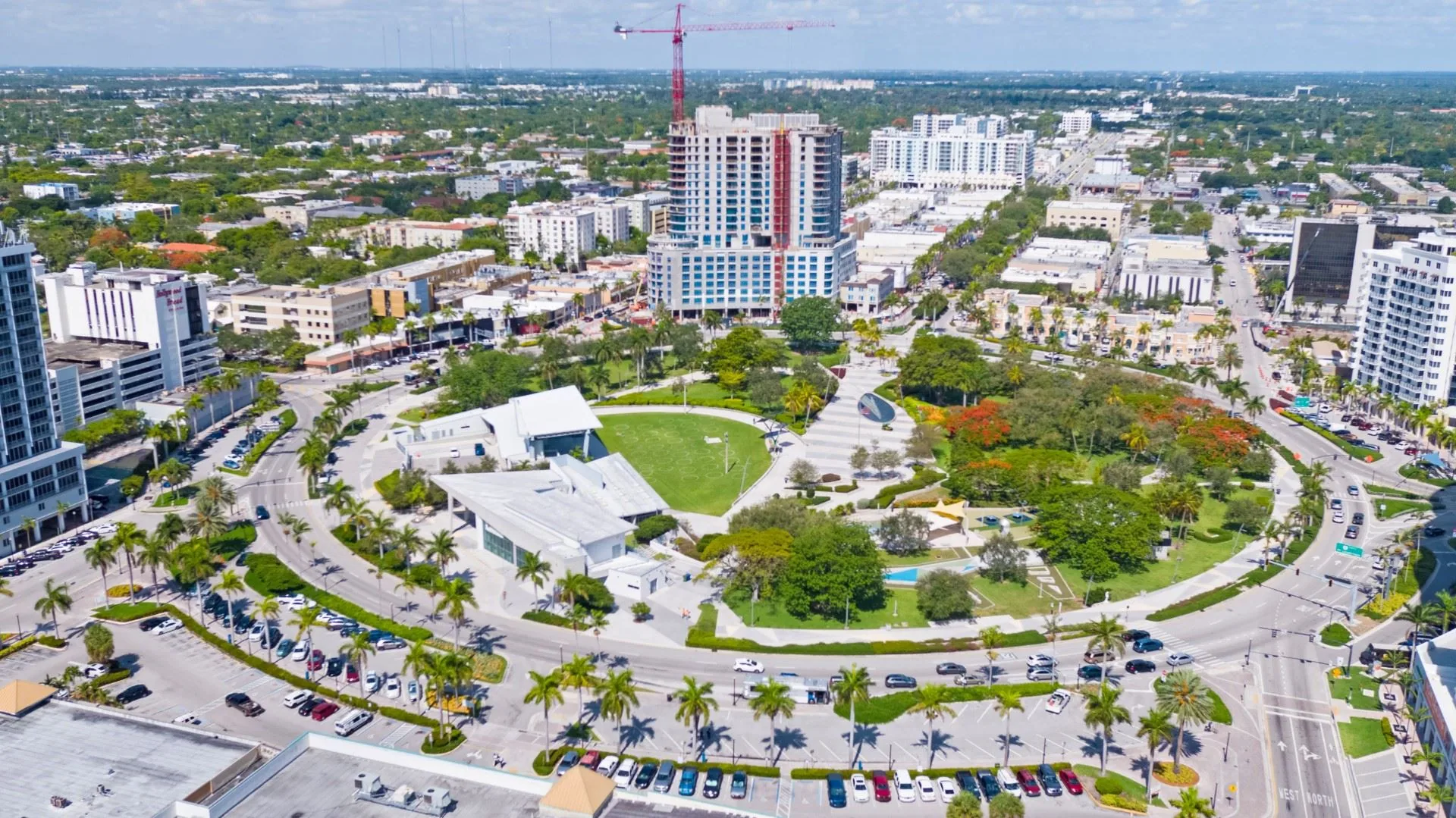
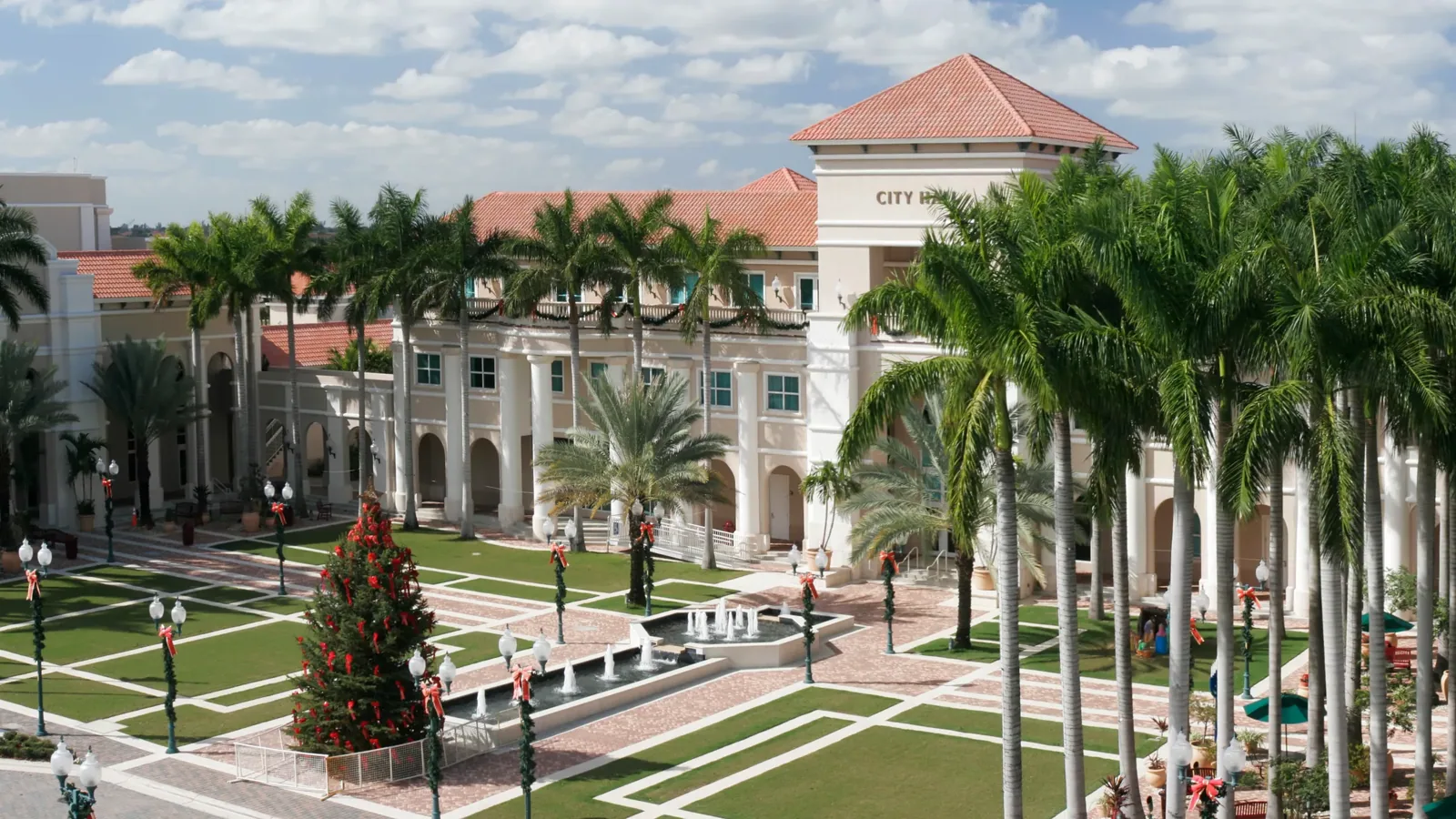
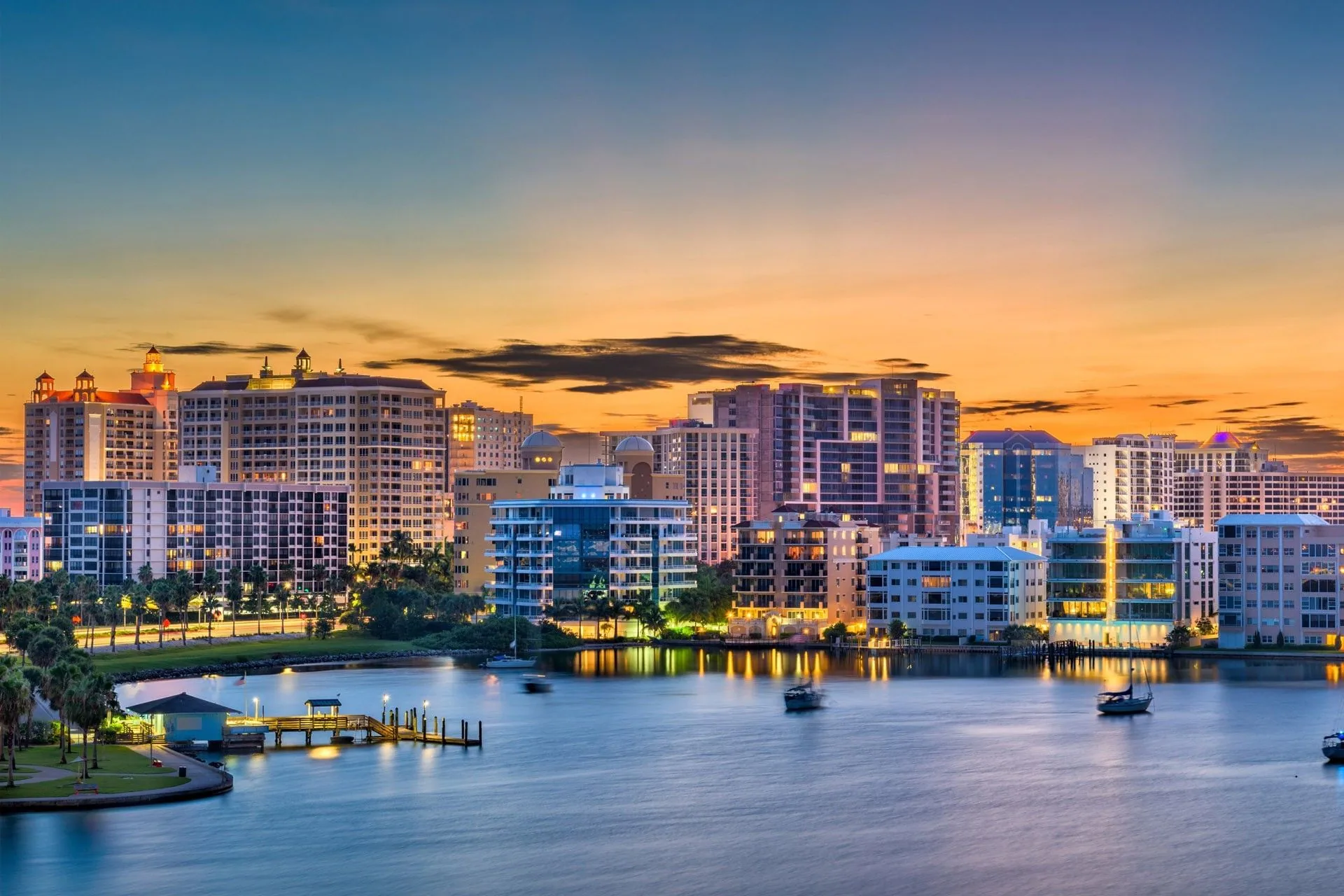
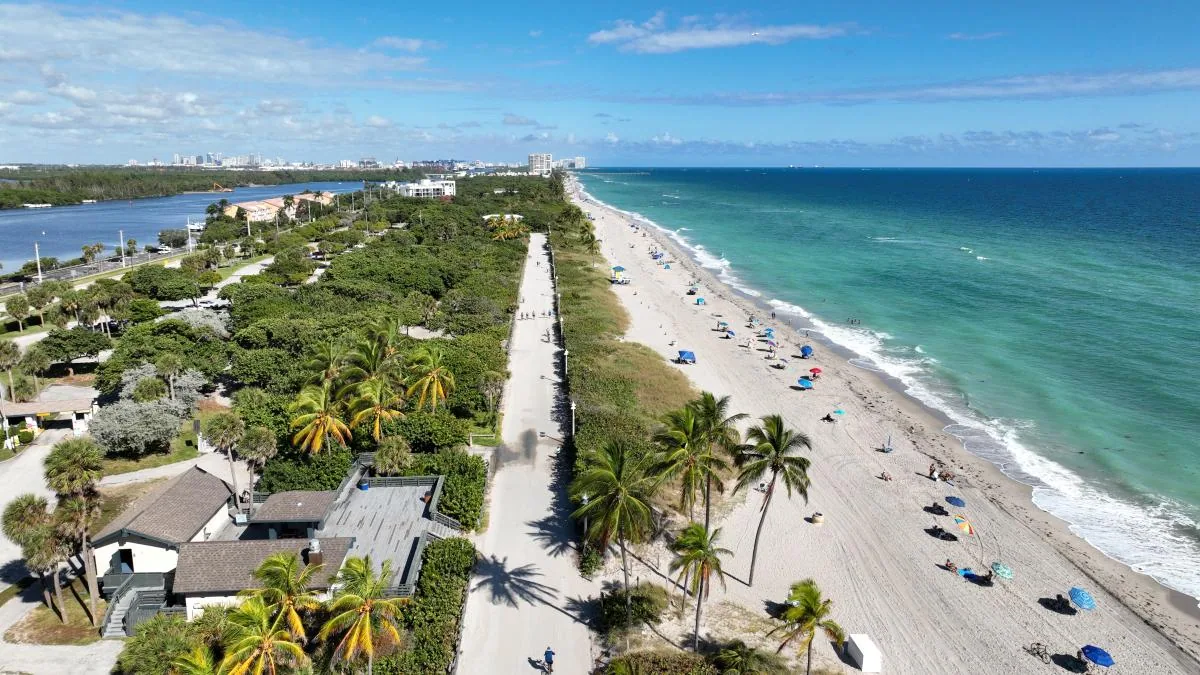
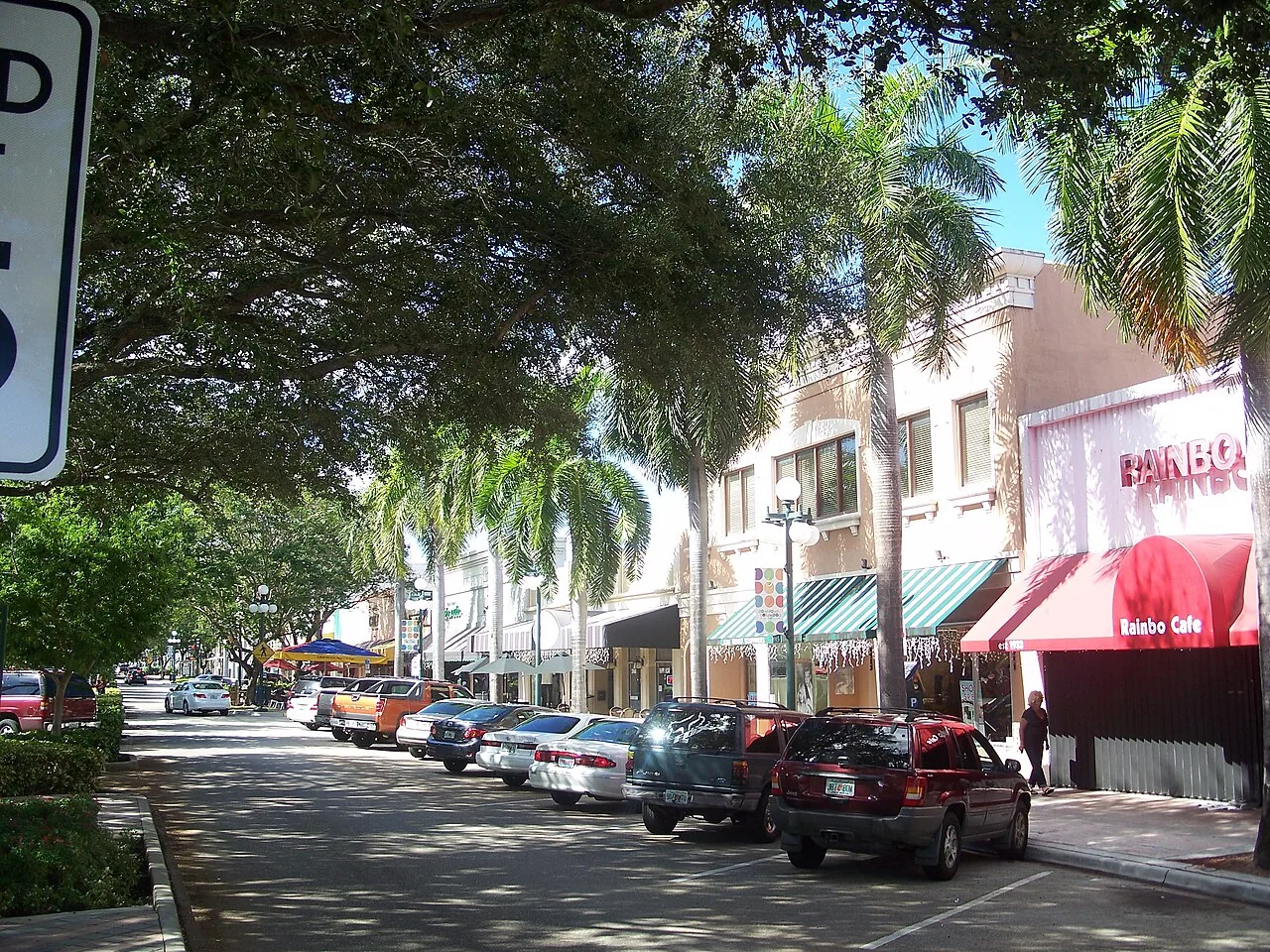
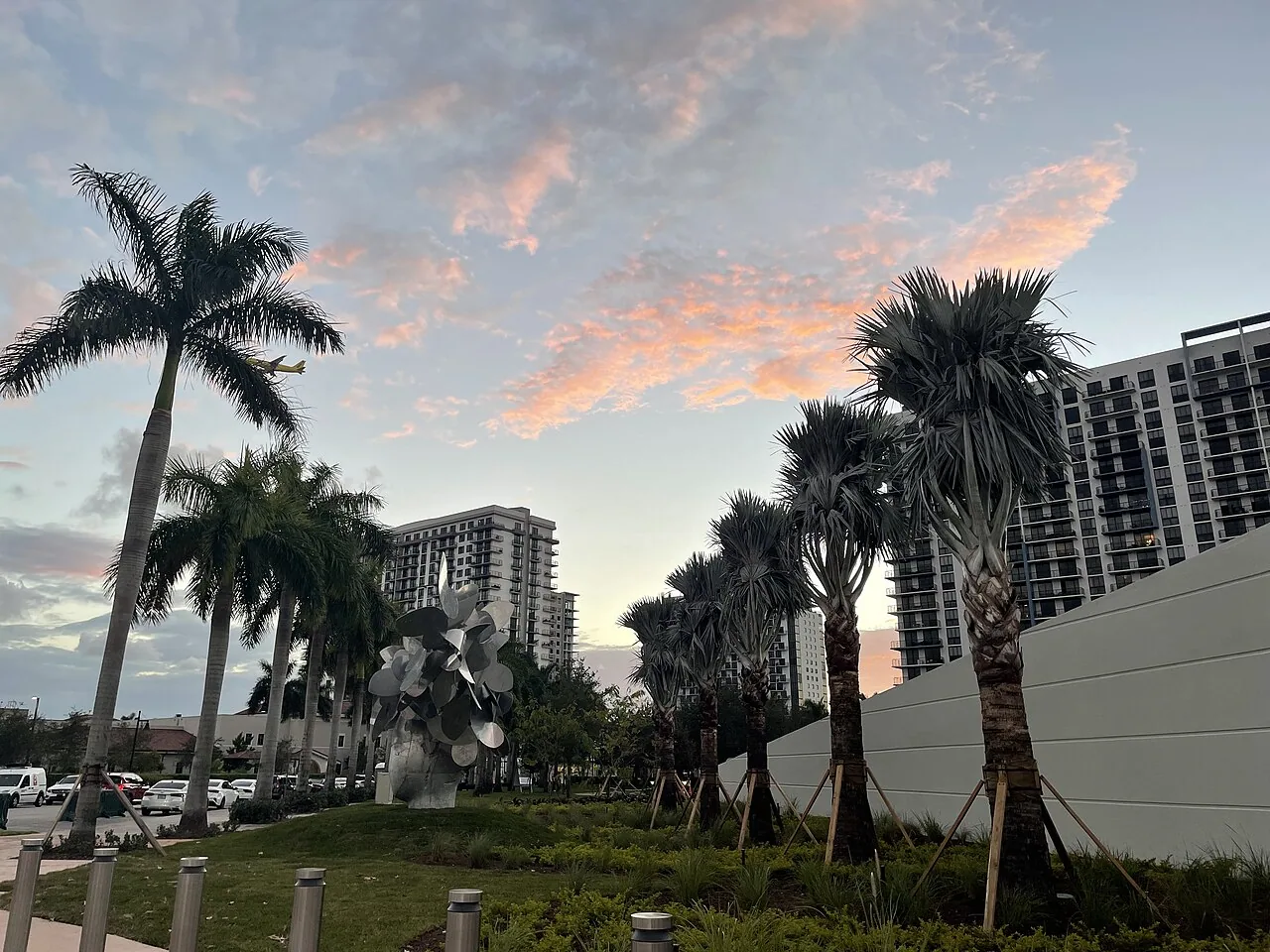
The city lists several commercial settings: Downtown Hollywood, the Historic Hollywood Business District on Hollywood Boulevard between 21st Avenue and Young Circle, the Hollywood Beach Business District and the Johnson Street Business District between 56th Avenue and US-441. Downtown event closures along Hollywood Boulevard can affect deliveries and parking, which is taken into account when crane picks and material drops are scheduled.
The Washington Park Industrial Area is under a public redevelopment process, and the Liberia Area Business Corridor carries city incentives for eligible new and expanding businesses. Both are broad areas, and each roof within them is inspected on its own.
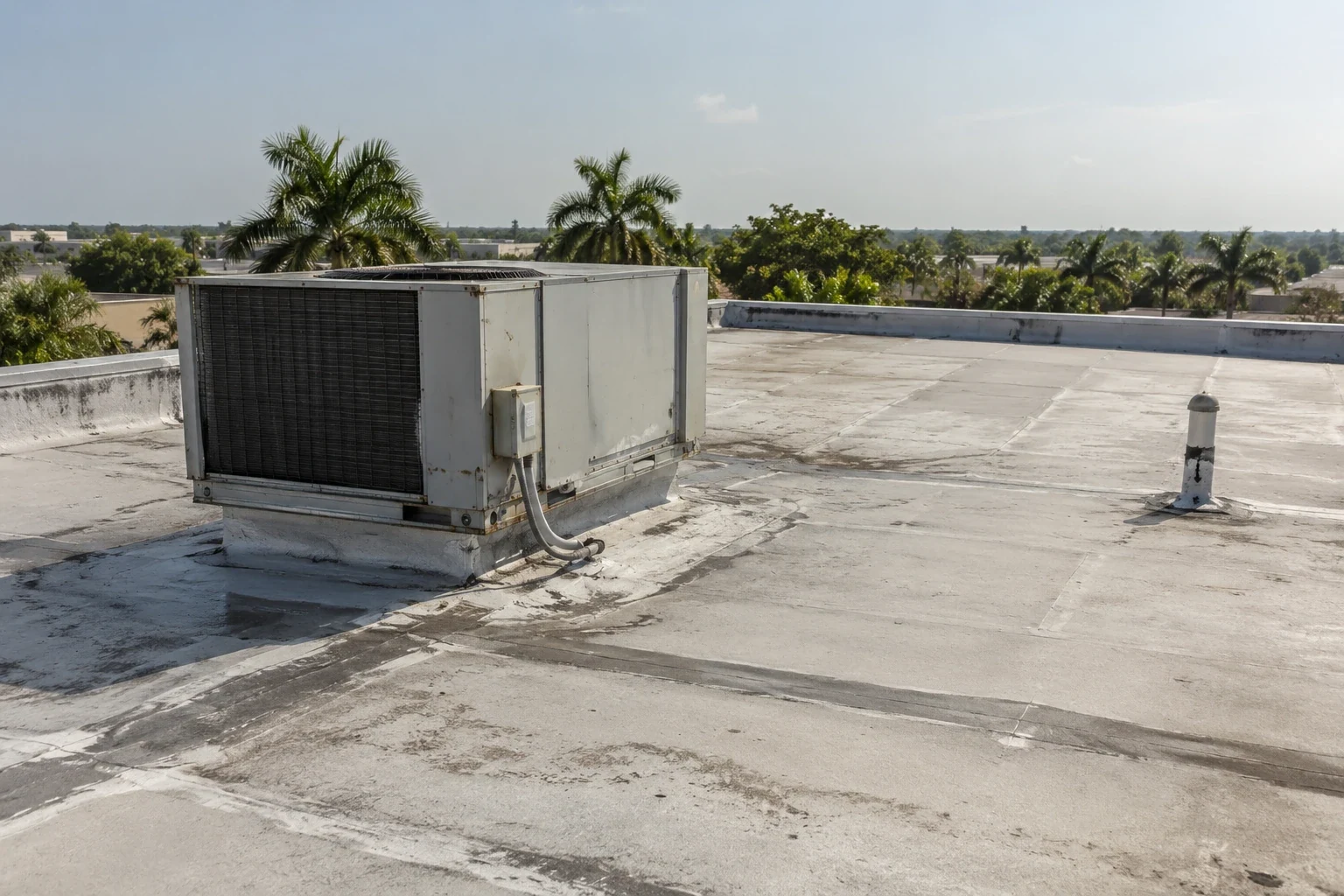
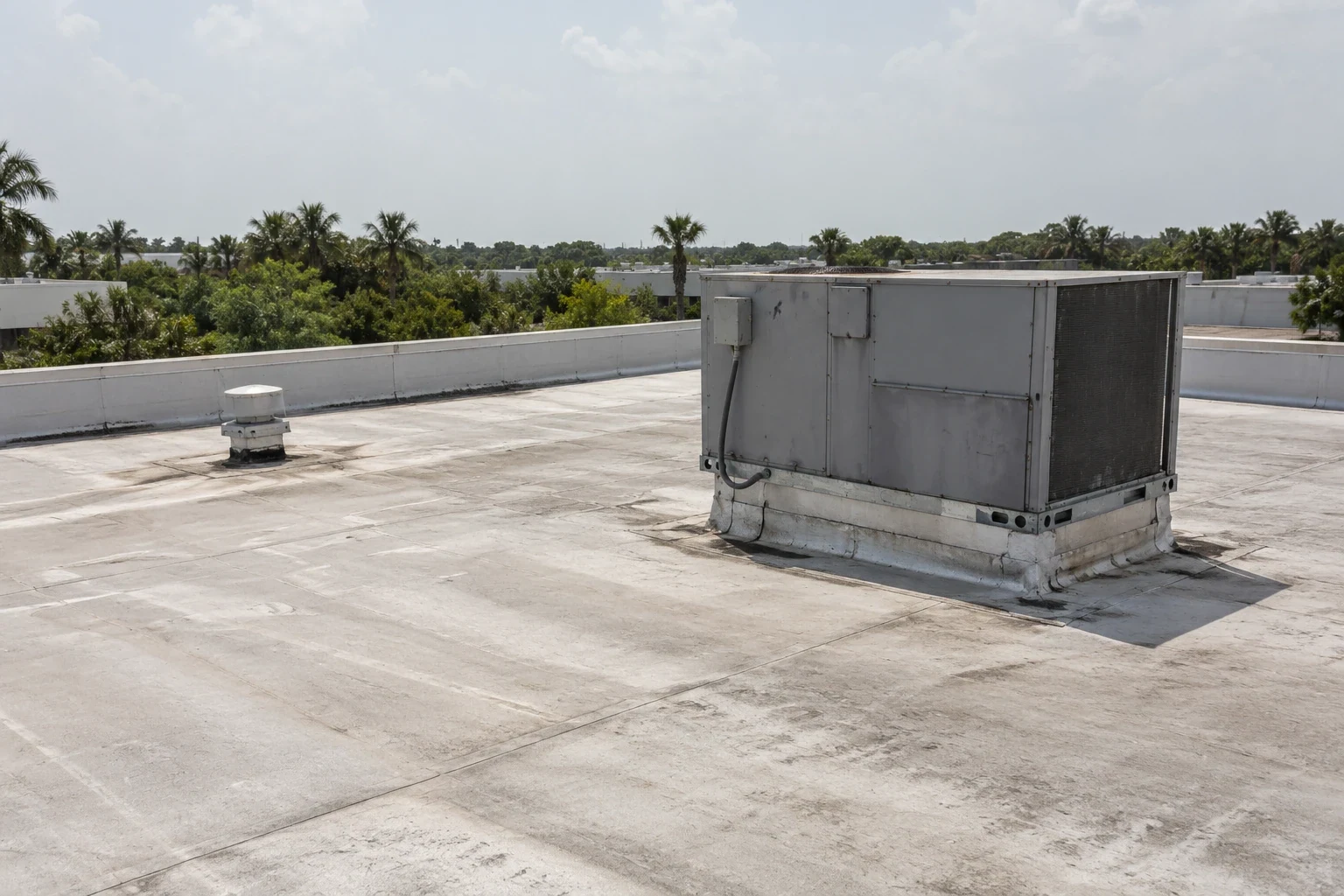
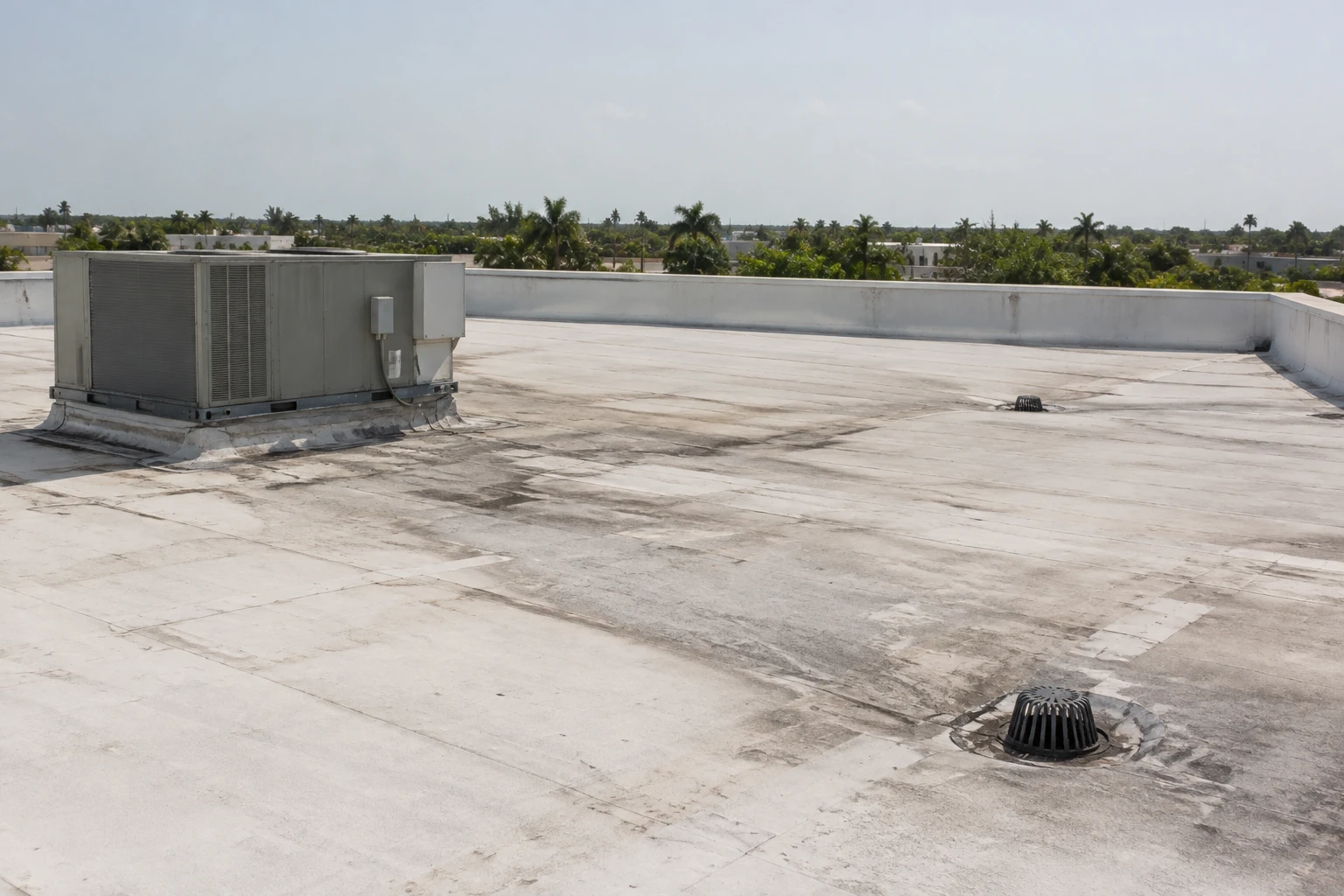
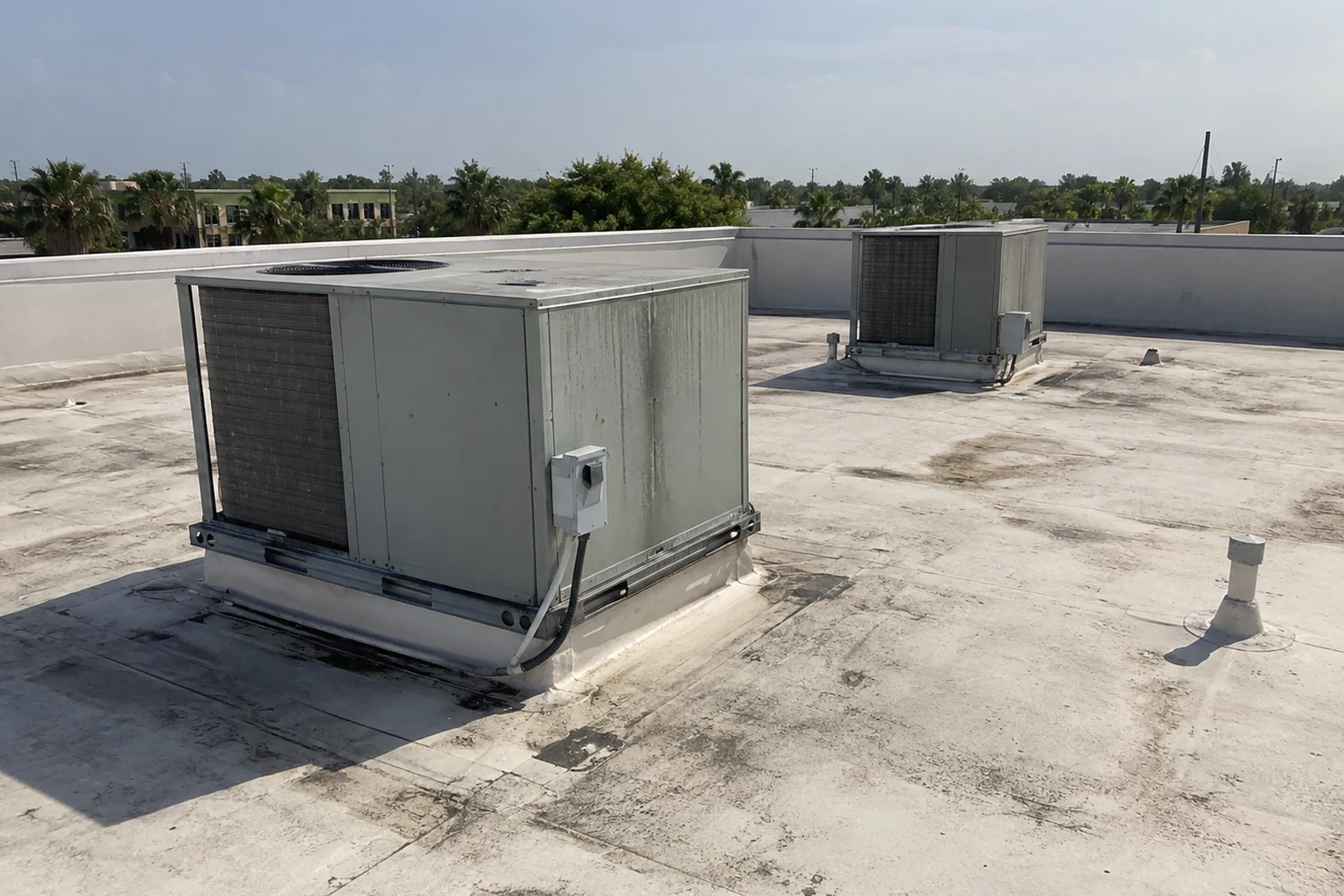
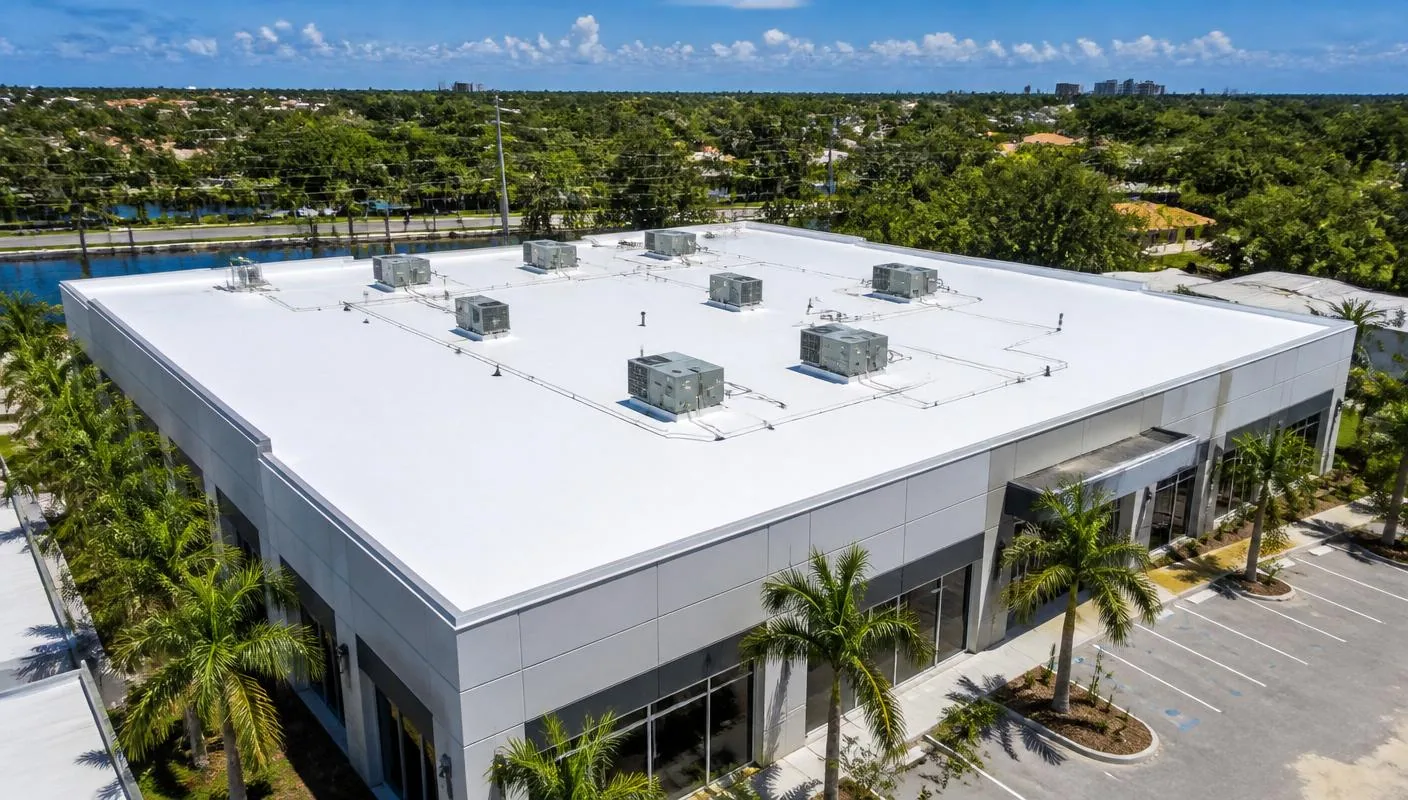
Older industrial roofs often carry additions: loading canopies, rooftop units and conduit installed over time. Each addition is traced on the roof plan, because the junction where one material meets another is where moisture routes most often begin.
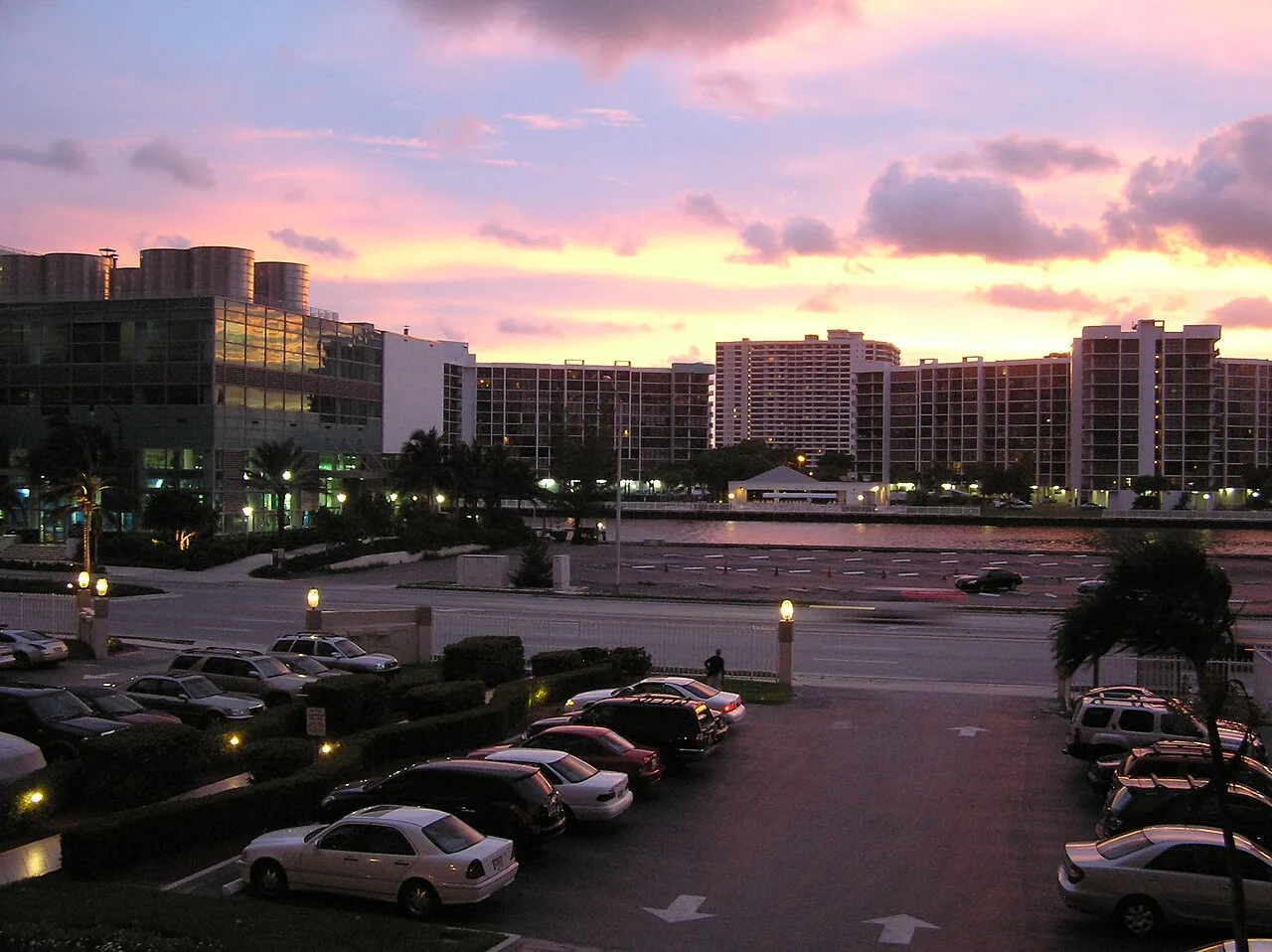
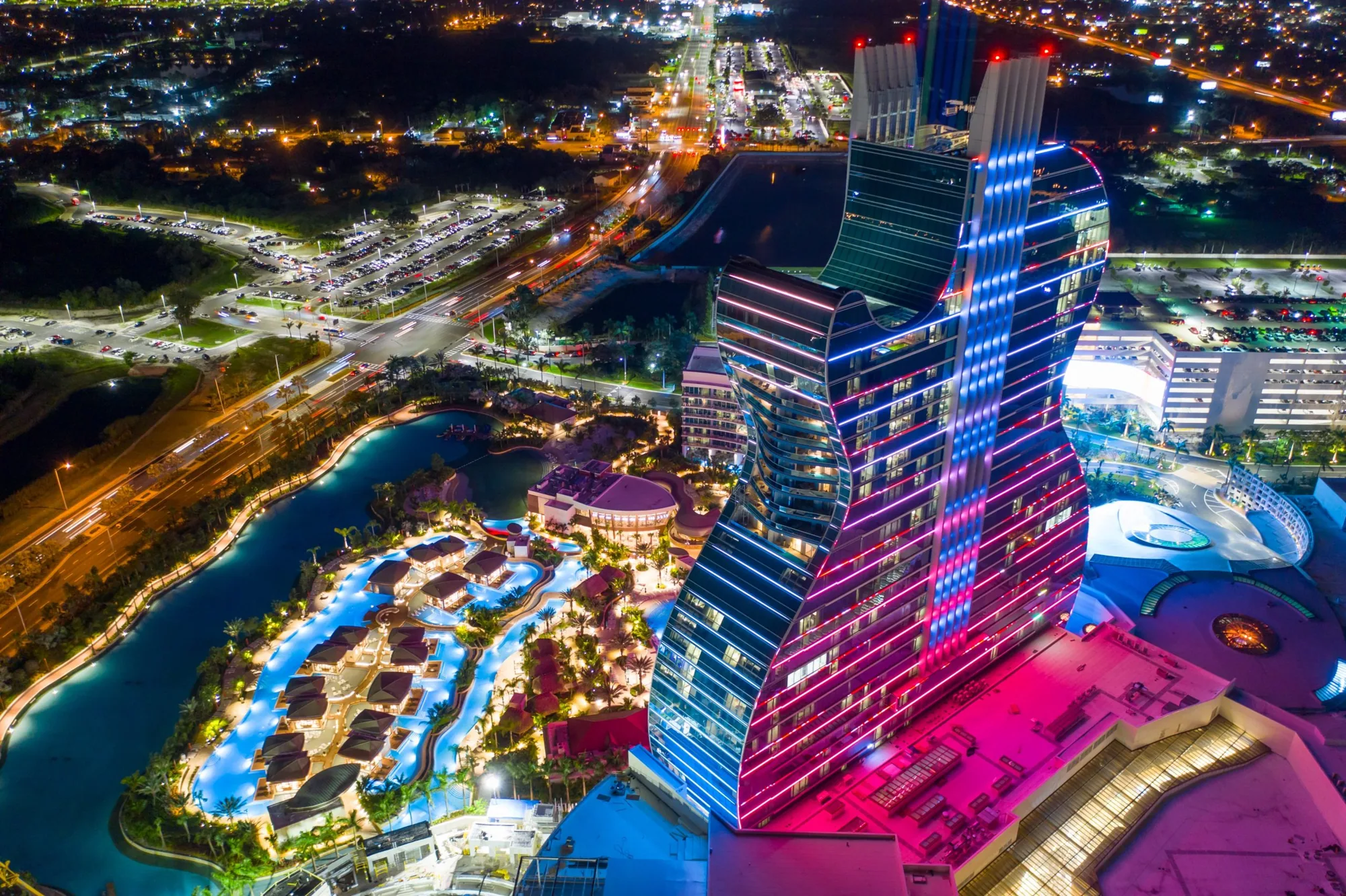
The market extends to Hallandale Beach, where the city's master plan describes the Gateway areas along East Hallandale Beach Boulevard and I-95 as mostly one-story commercial properties with surface parking, and to Pembroke Pines, which counts over 8 million square feet of retail. Davie reports more than 900 acres of industrial-zoned land, and Dania Beach sits between Hollywood and Fort Lauderdale.
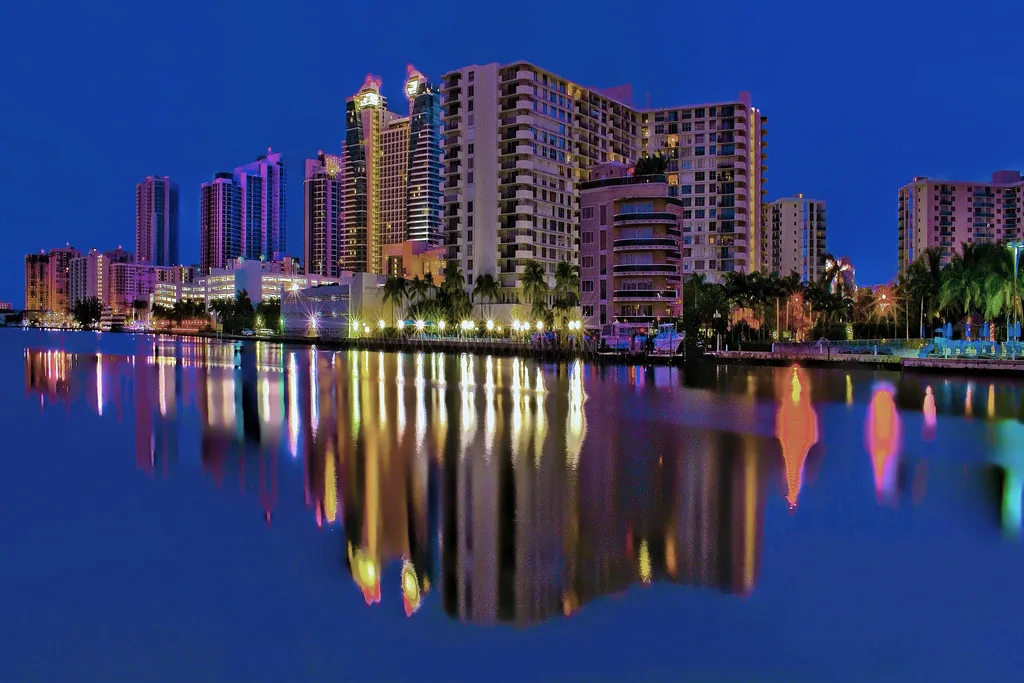
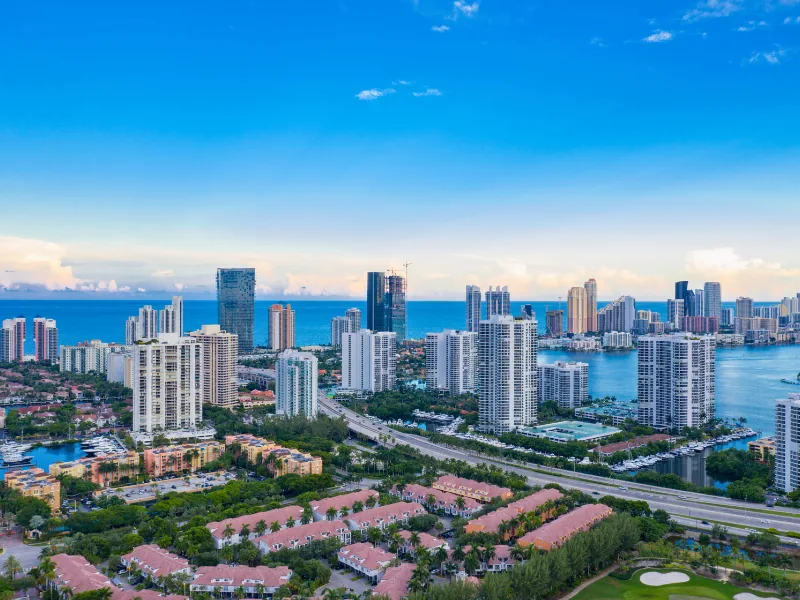
Further south, Aventura, Doral and Miami Gardens bring retail, medical and distribution roofs. Corridors such as Pines Boulevard and Biscayne Boulevard are listed as broad commercial areas and not as claims about any particular building.
Access rules differ by city, so permits, inspection steps and delivery restrictions are confirmed with the local building office before a crew mobilizes.
Tidal flooding, storm surge and rainfall that compounds both are part of the city's risk picture, and many properties sit in a mapped flood zone. Those exposures vary by block, so no area is treated as uniformly at risk, and the roof is judged from the roof itself.