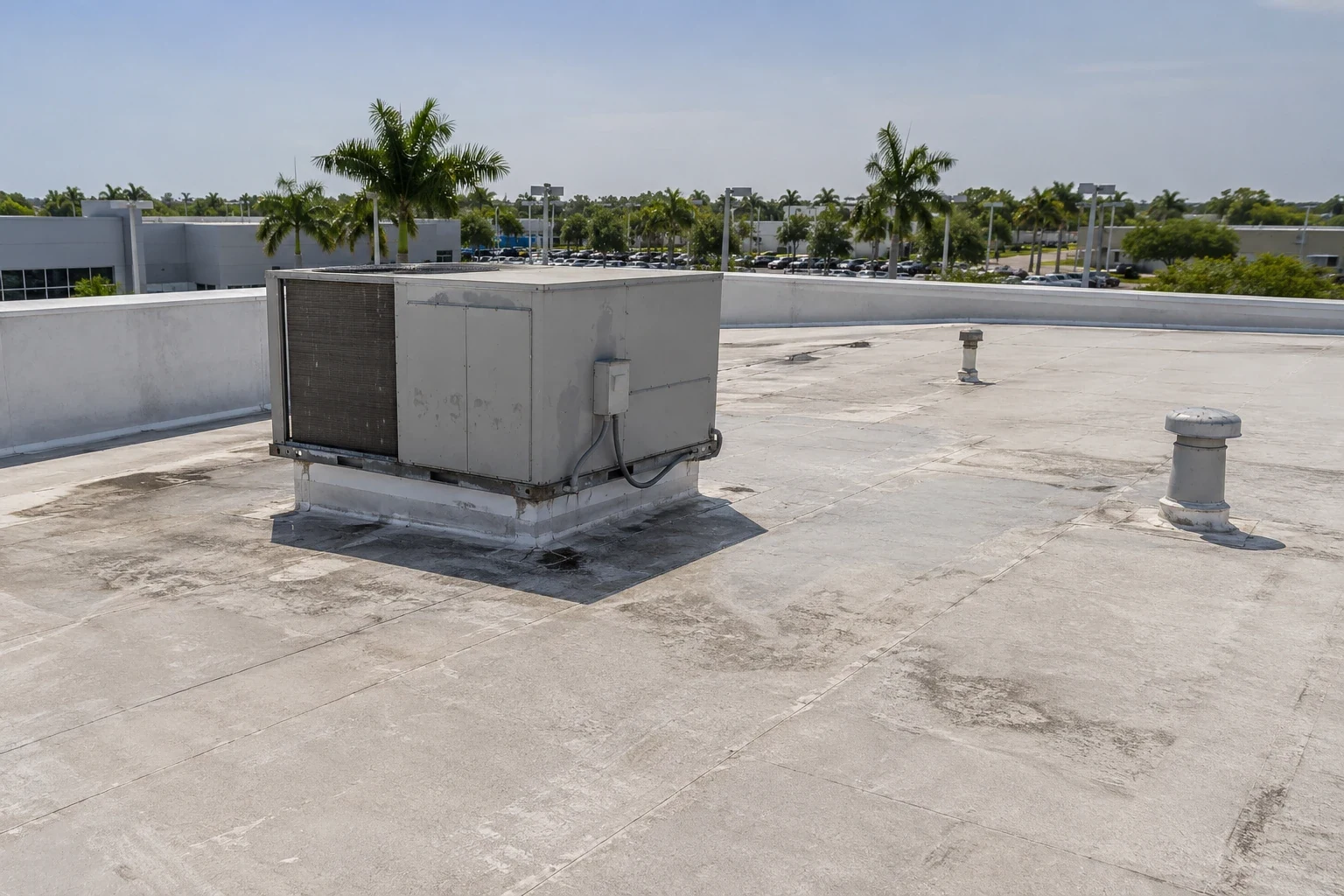
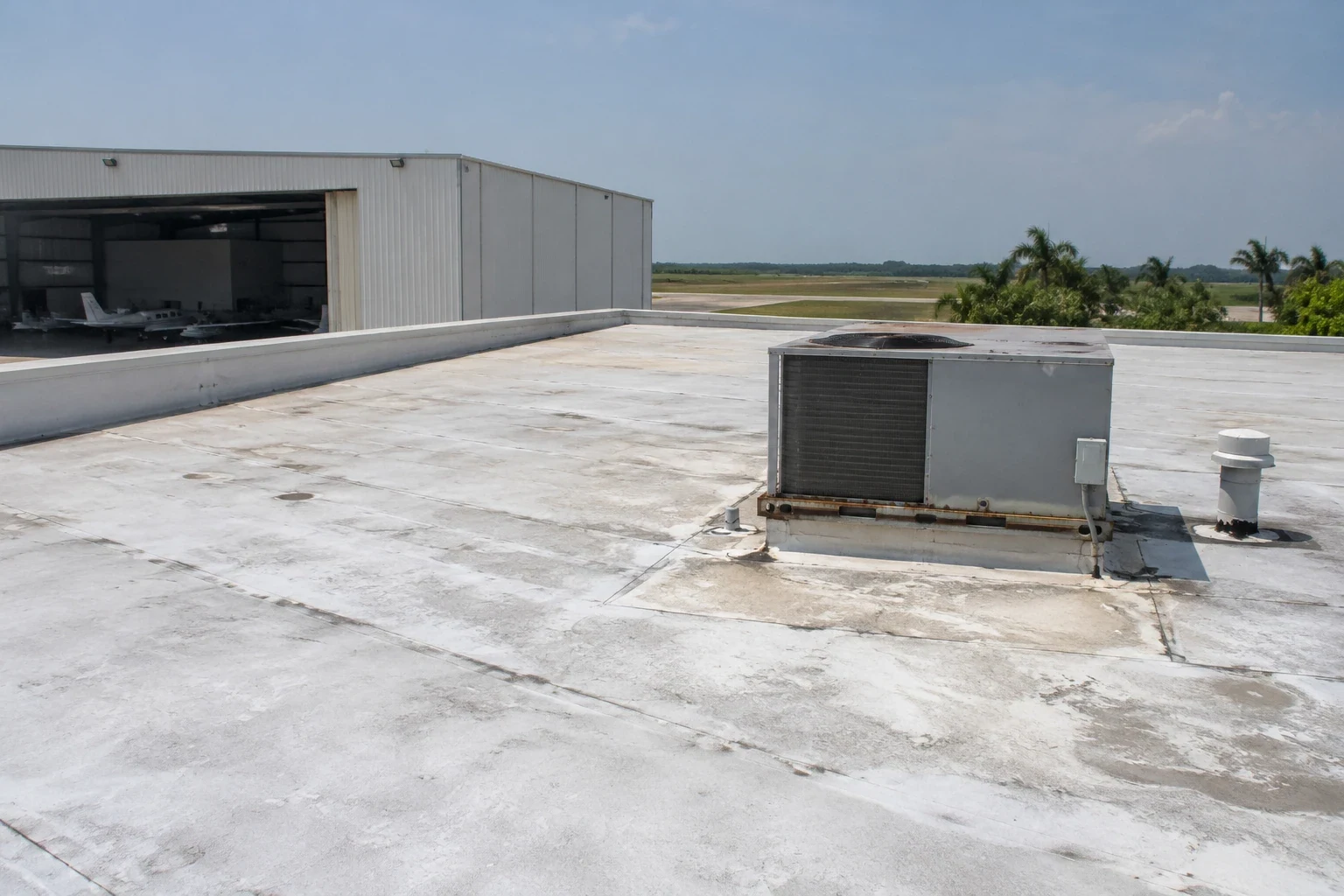
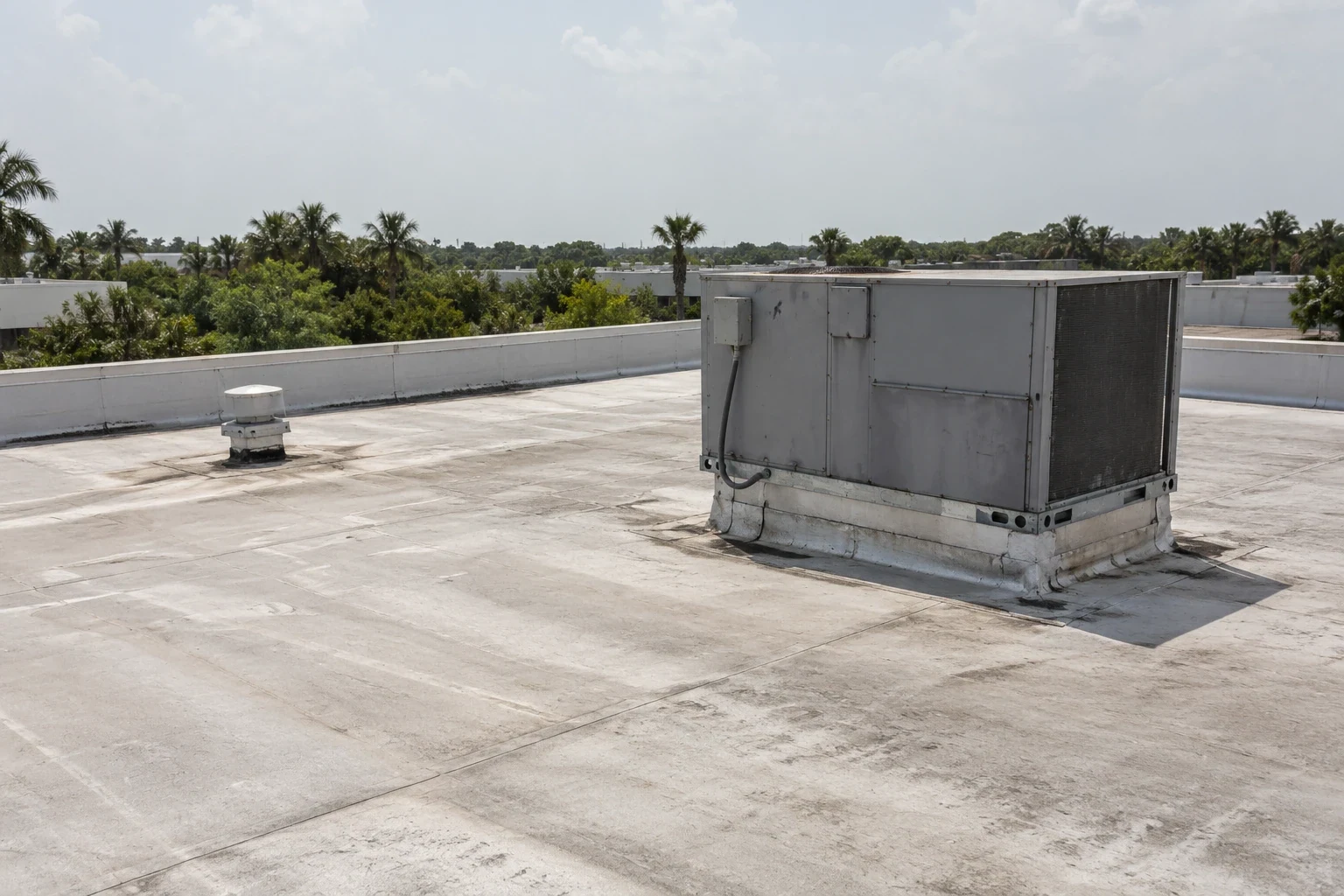
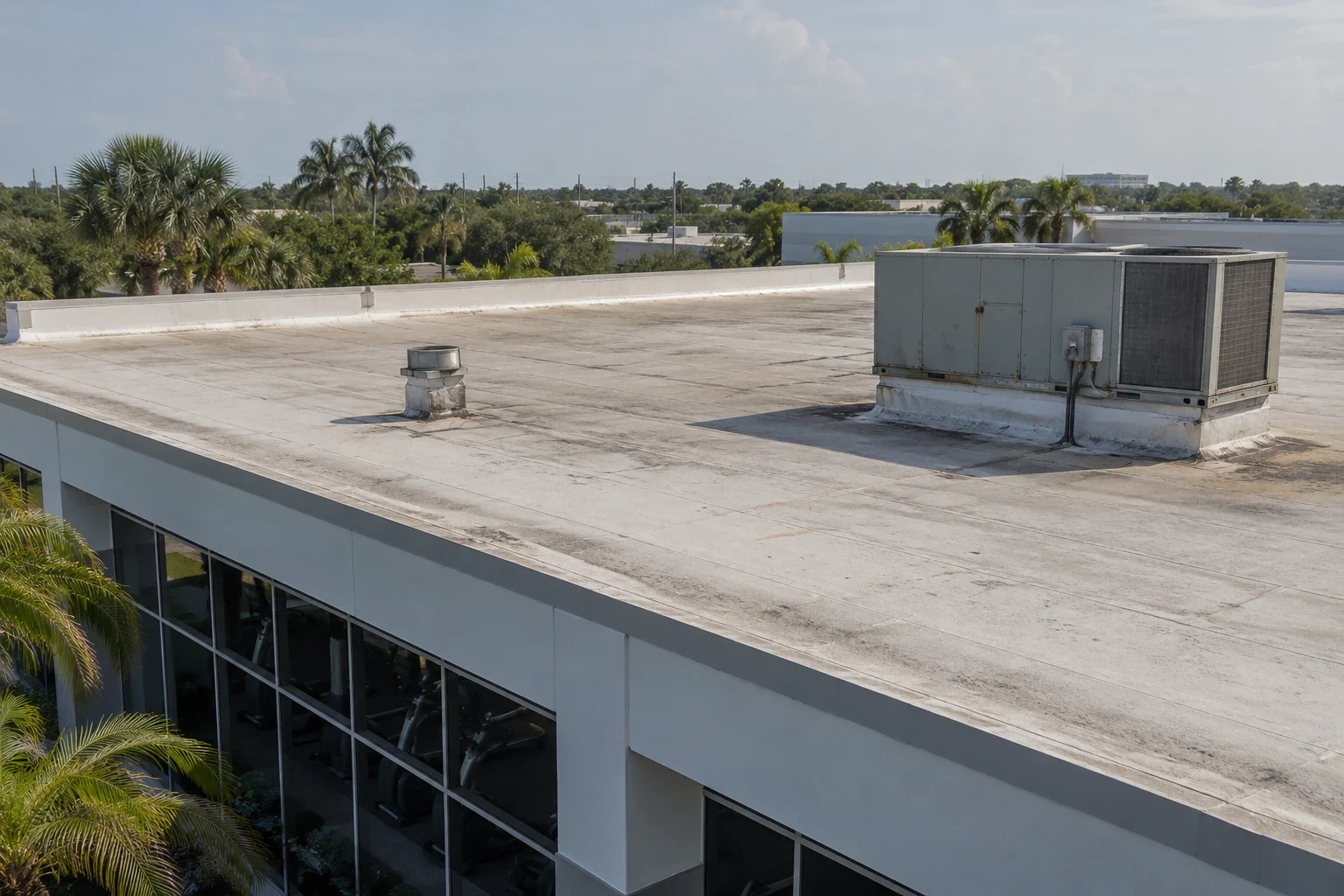
Roofing by property type in Hollywood, FL: warehouses, retail, hotels, apartments, healthcare and civic buildings, each planned around heat, rain and use.
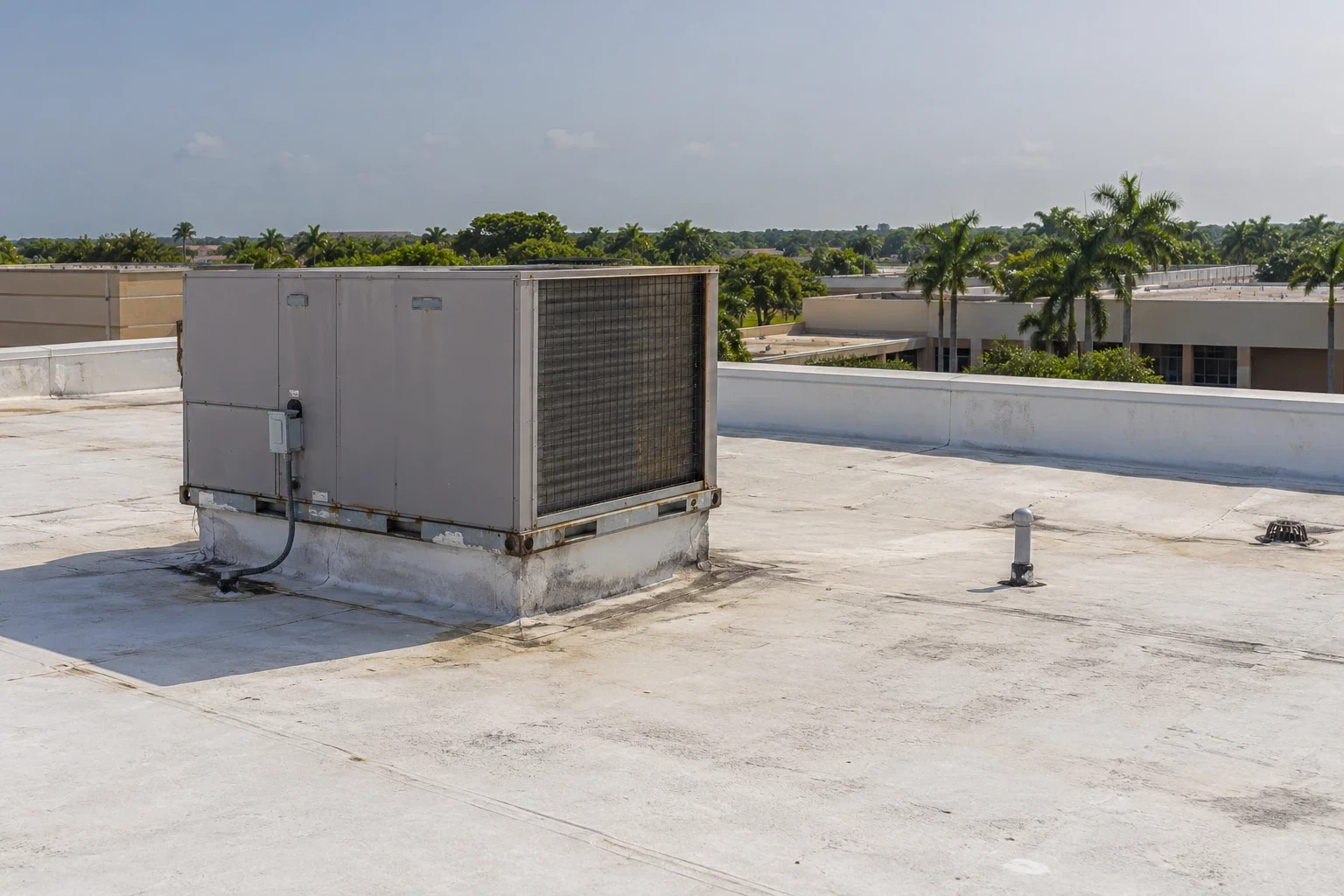
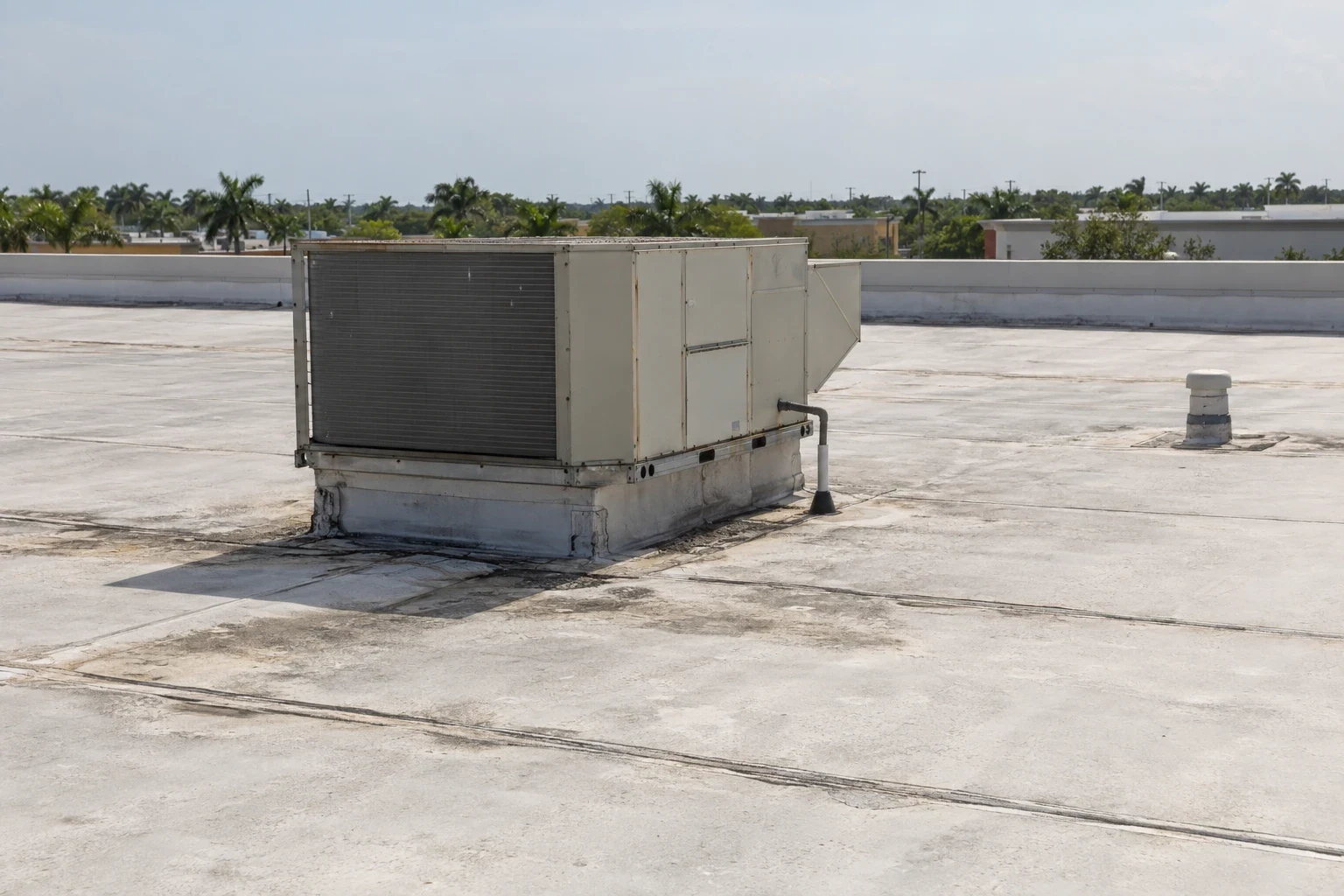
Two flat roofs in Hollywood, FL can sit a few blocks apart and behave very differently. One covers a freezer with a steady heat load from below, the other covers a hotel lobby with a pool deck above. The building use changes where heat collects, where water ponds and how much downtime the owner can accept, so the property type is where a roof plan starts.
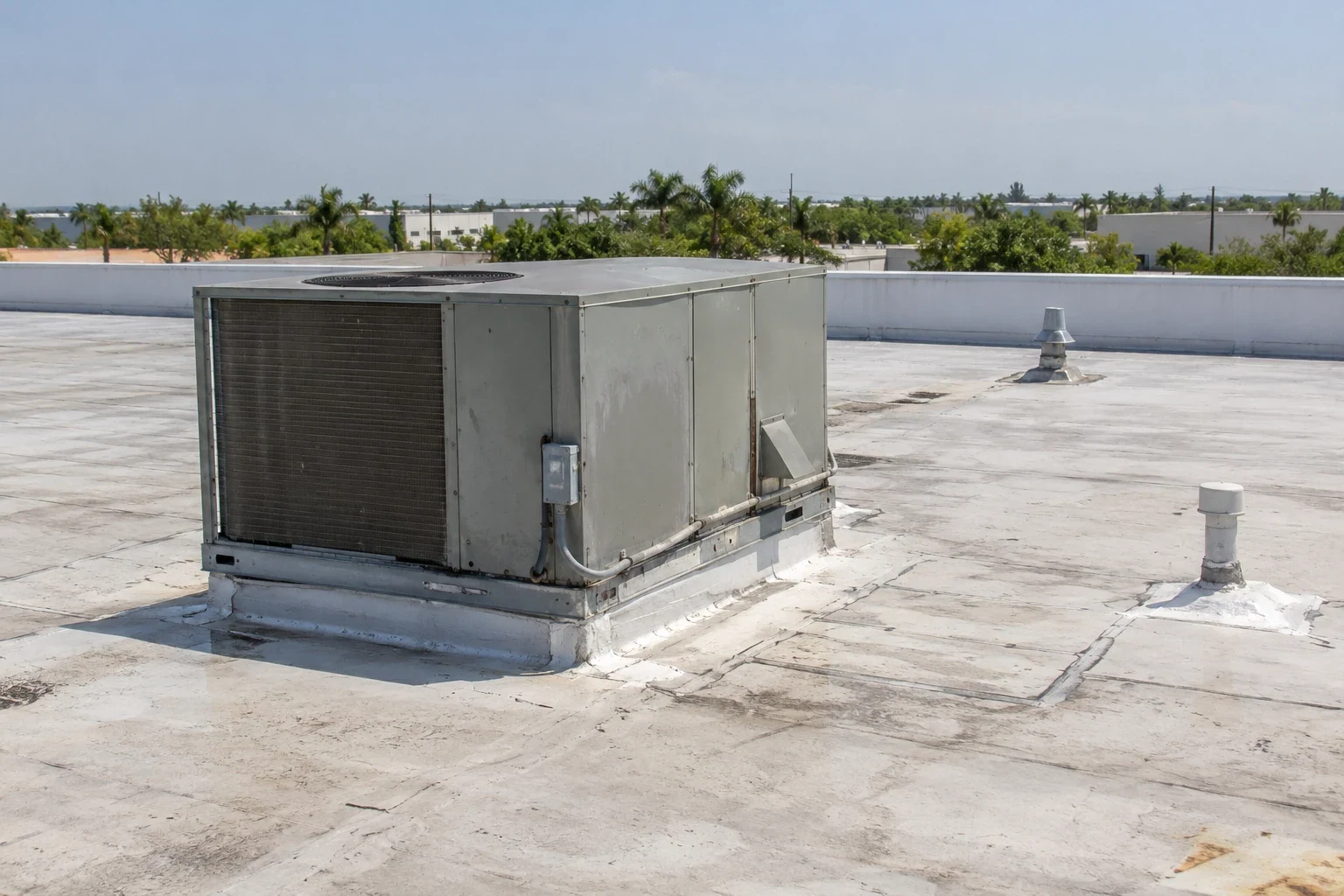
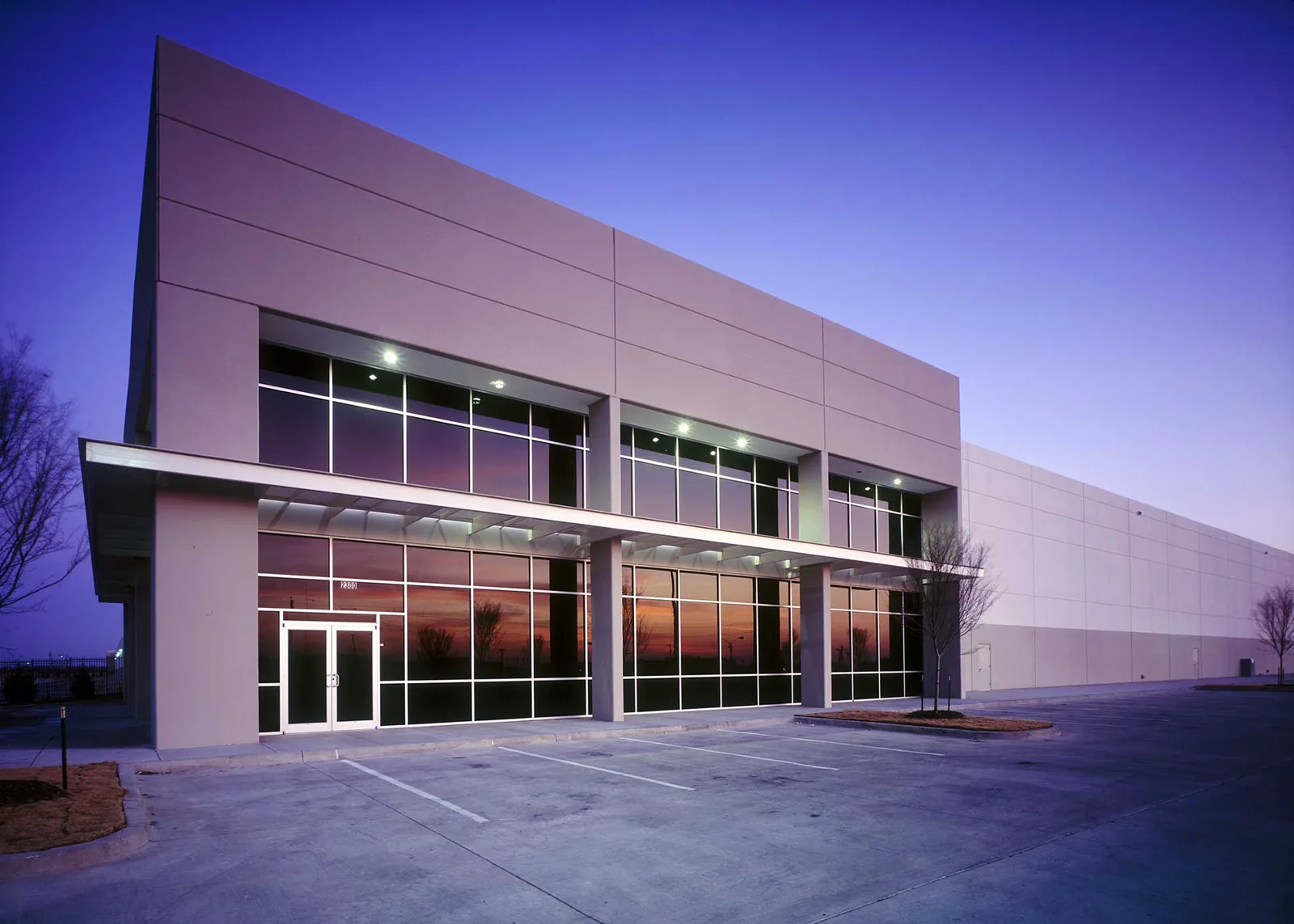
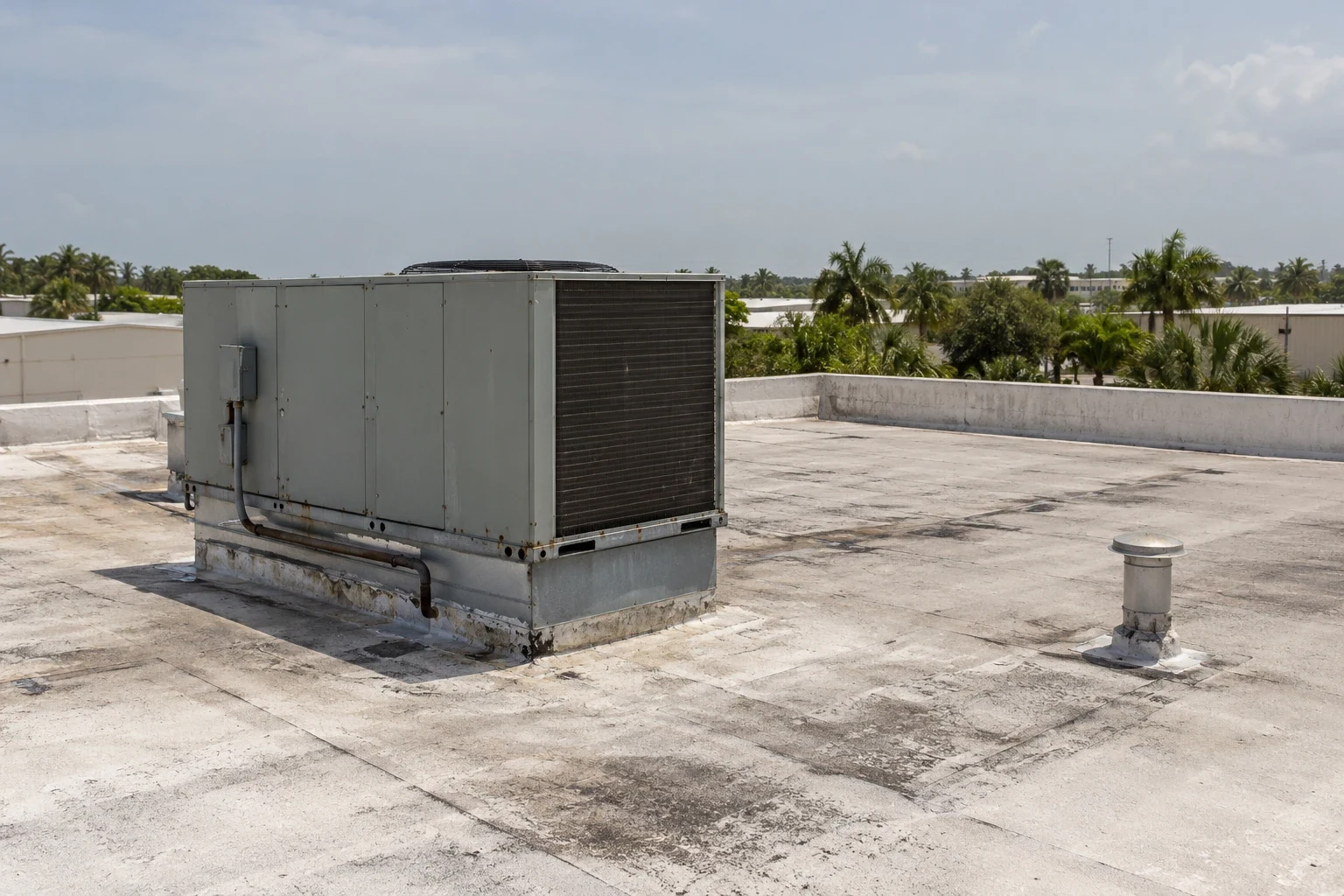
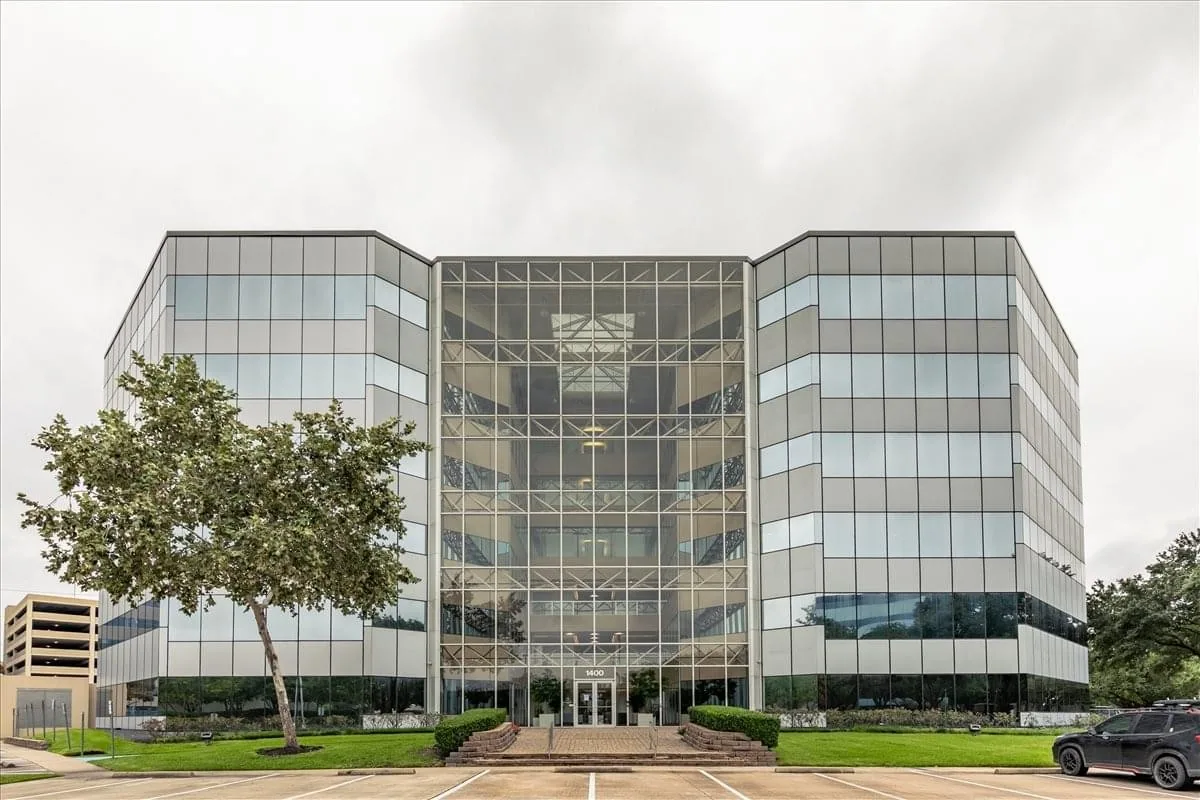
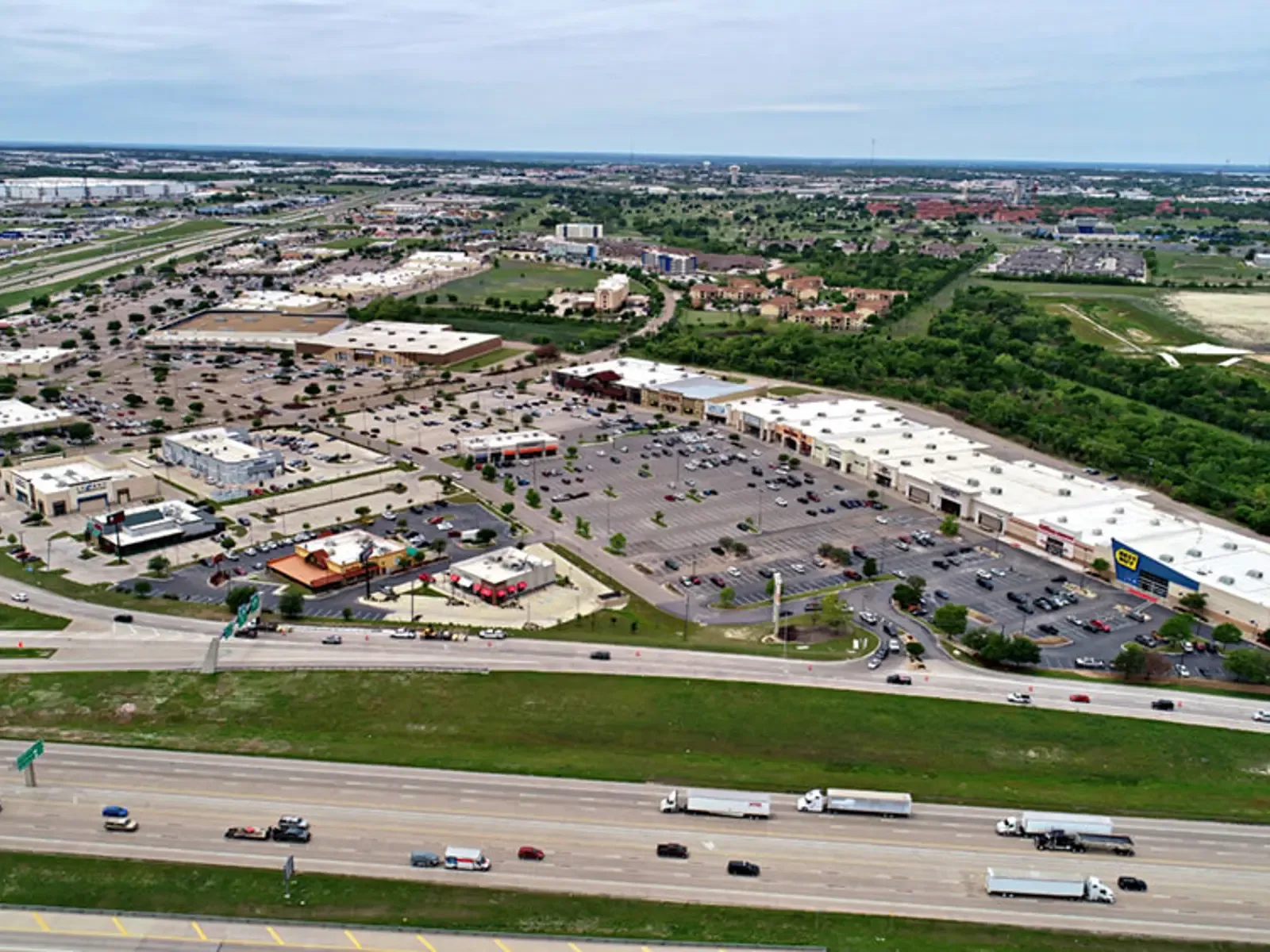
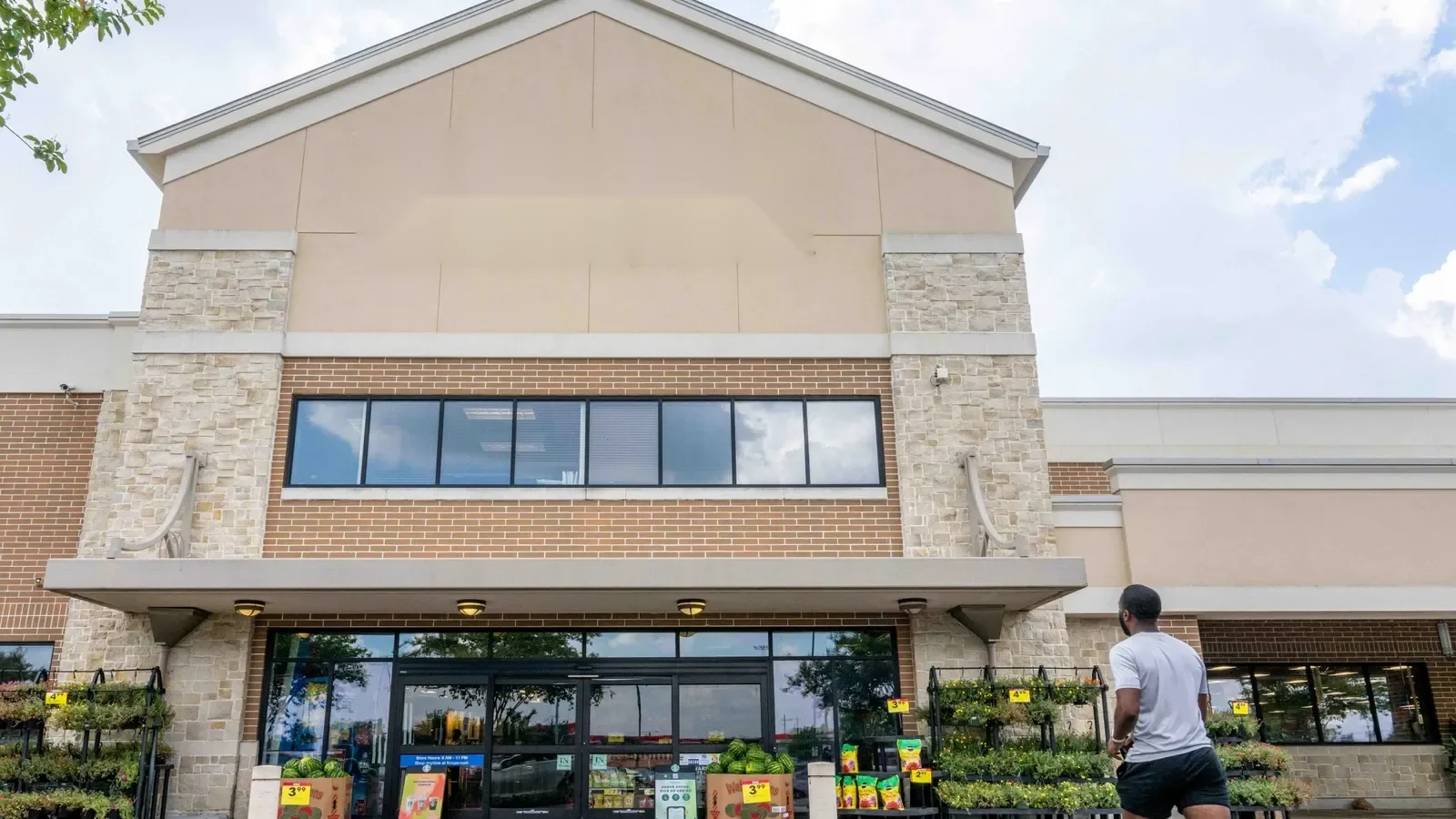
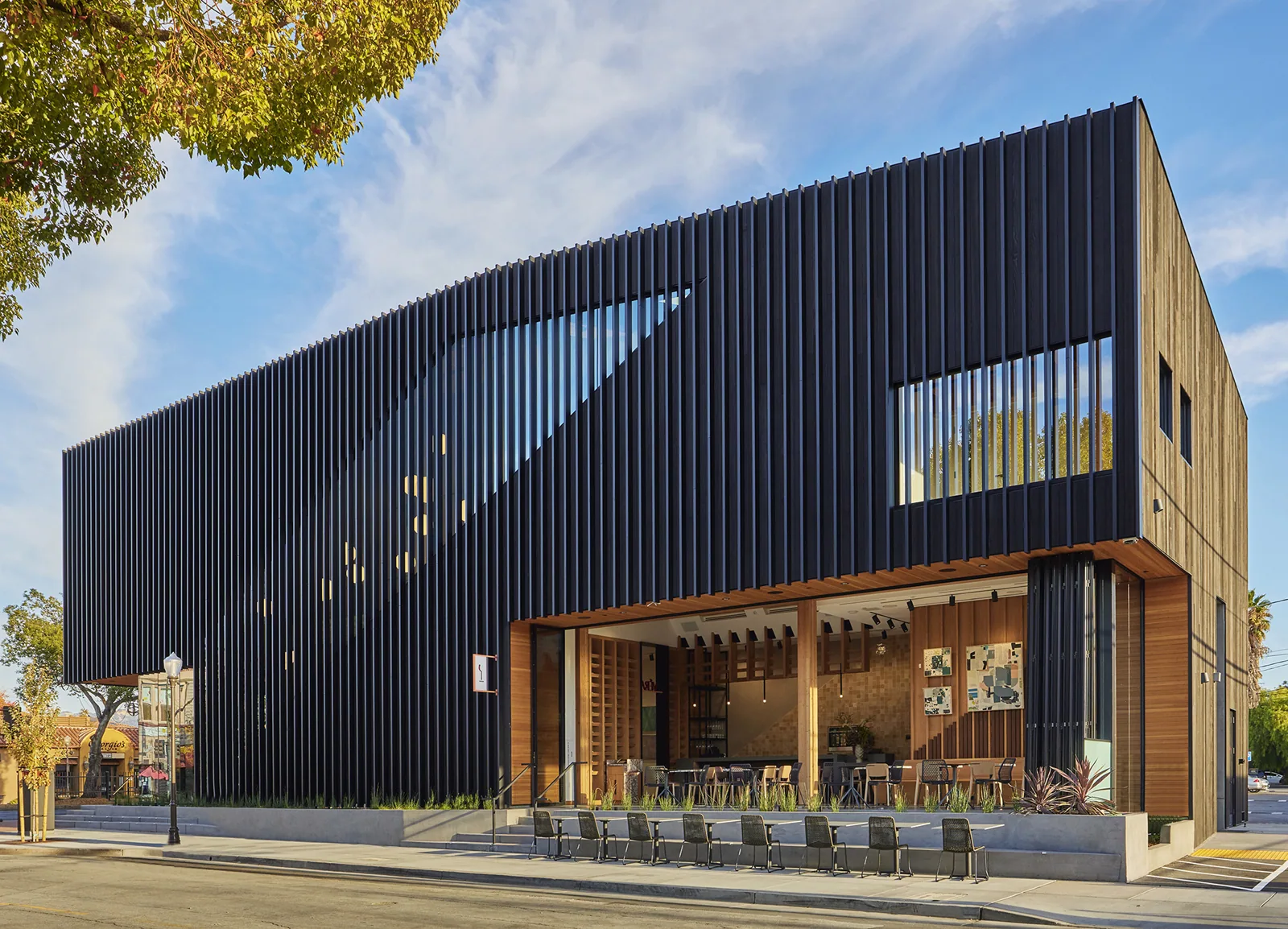
Downtown, the beach area and the Johnson Street district are separate commercial settings, each with its own street conditions and access. Shopping center roofing, big-box retail roofing and restaurant roofing deal with rooftop equipment, tenant improvements and drains shared across storefronts.
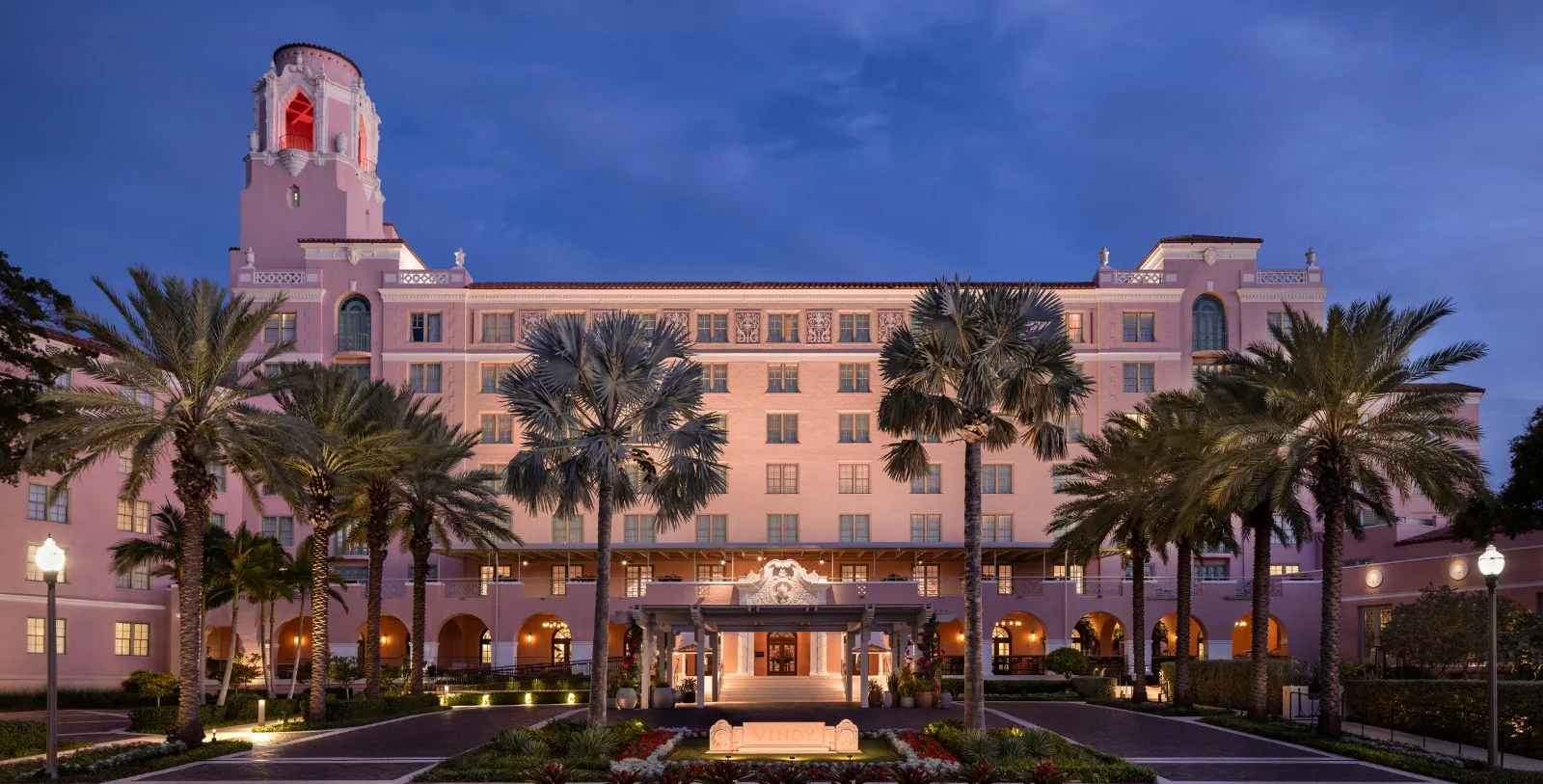
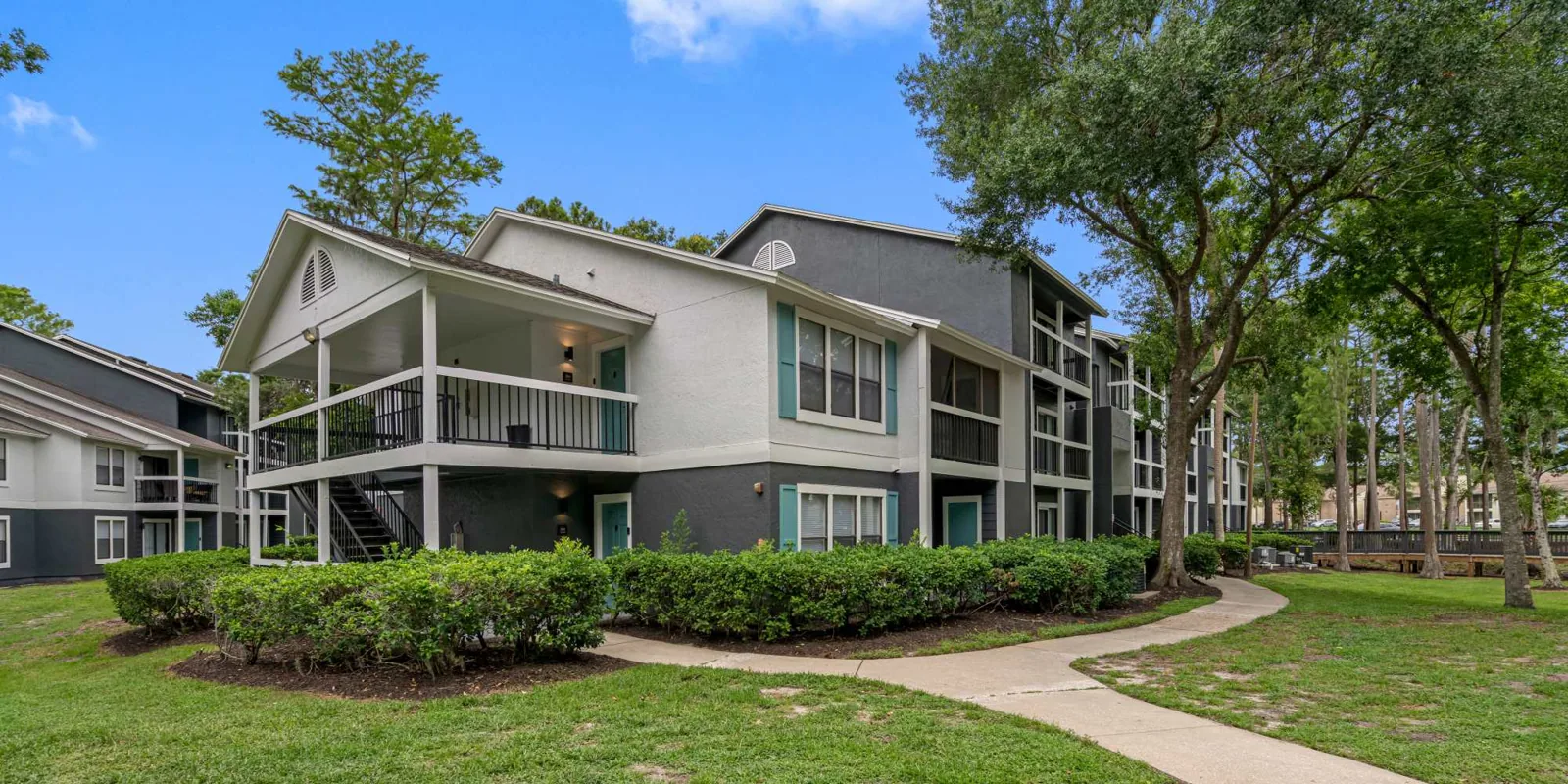
Beachside and urban buildings add occupants who cannot leave when it rains. Hotel roofing and apartment roofing are phased by section, with dry-in each day and notice to occupants. Rooftop decks, pool equipment and mechanical rooms get their own detail.
Afternoon storms and daily foot traffic from service staff all load the same few details: drains, curbs and the edge of the roof.
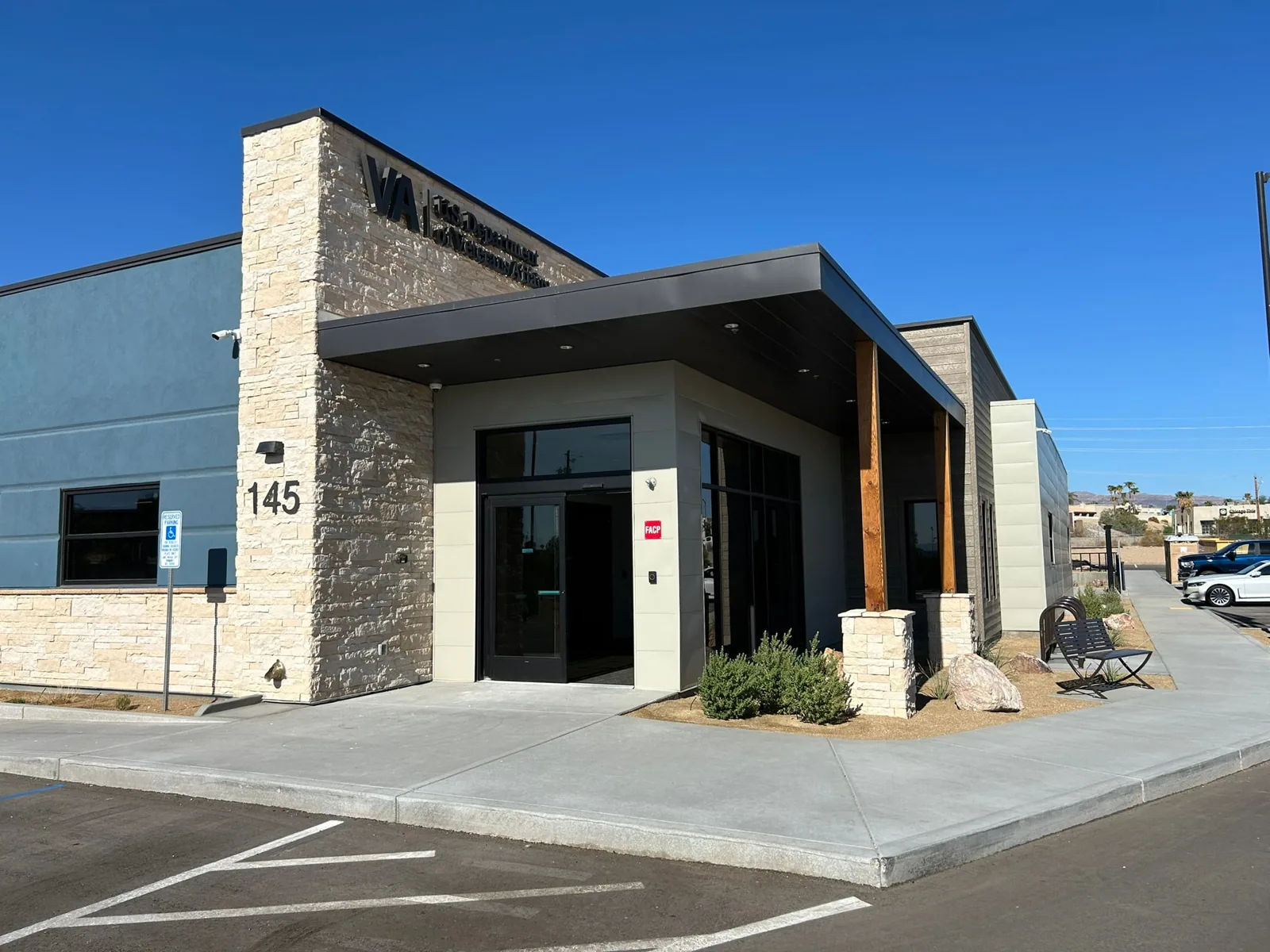
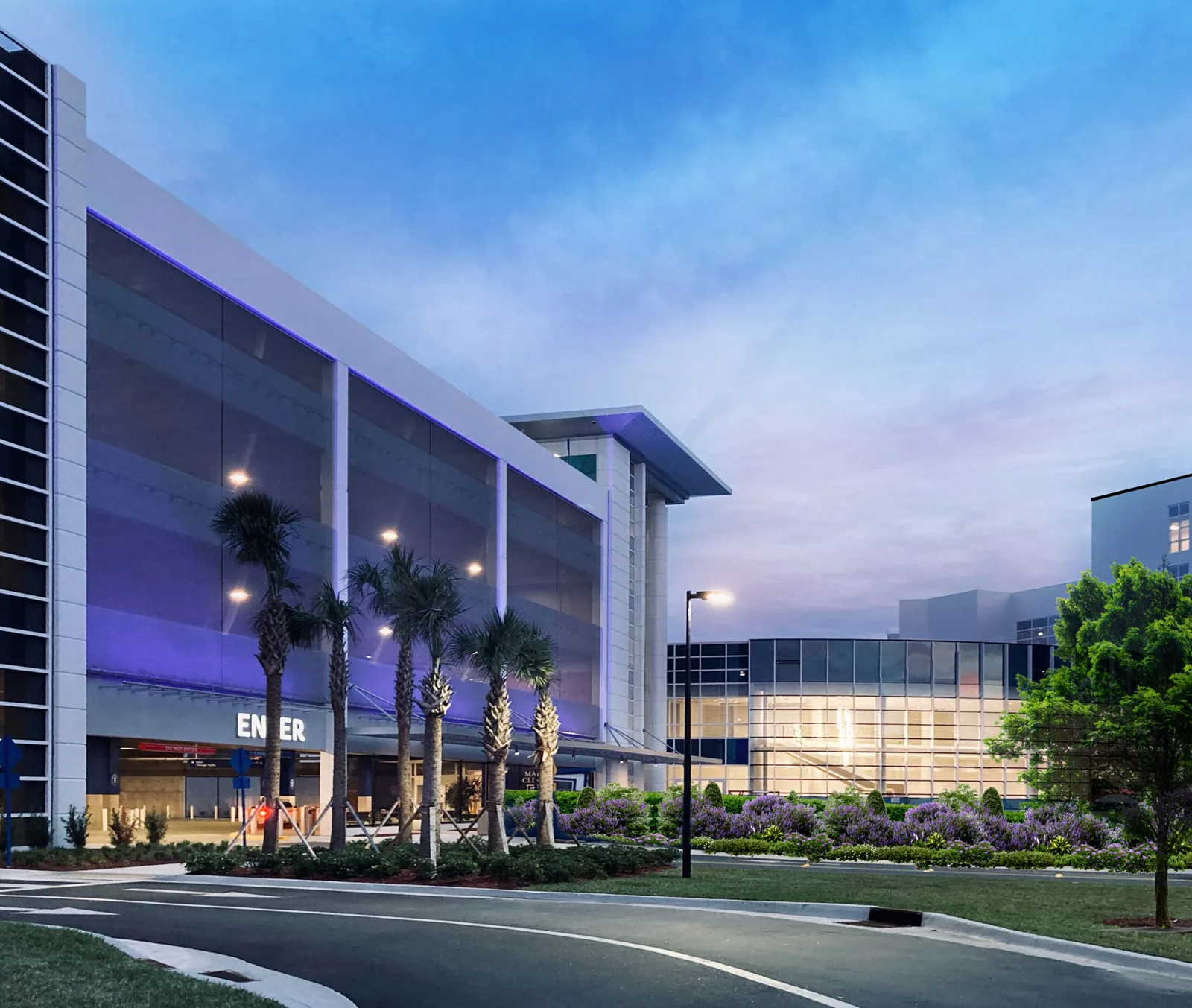
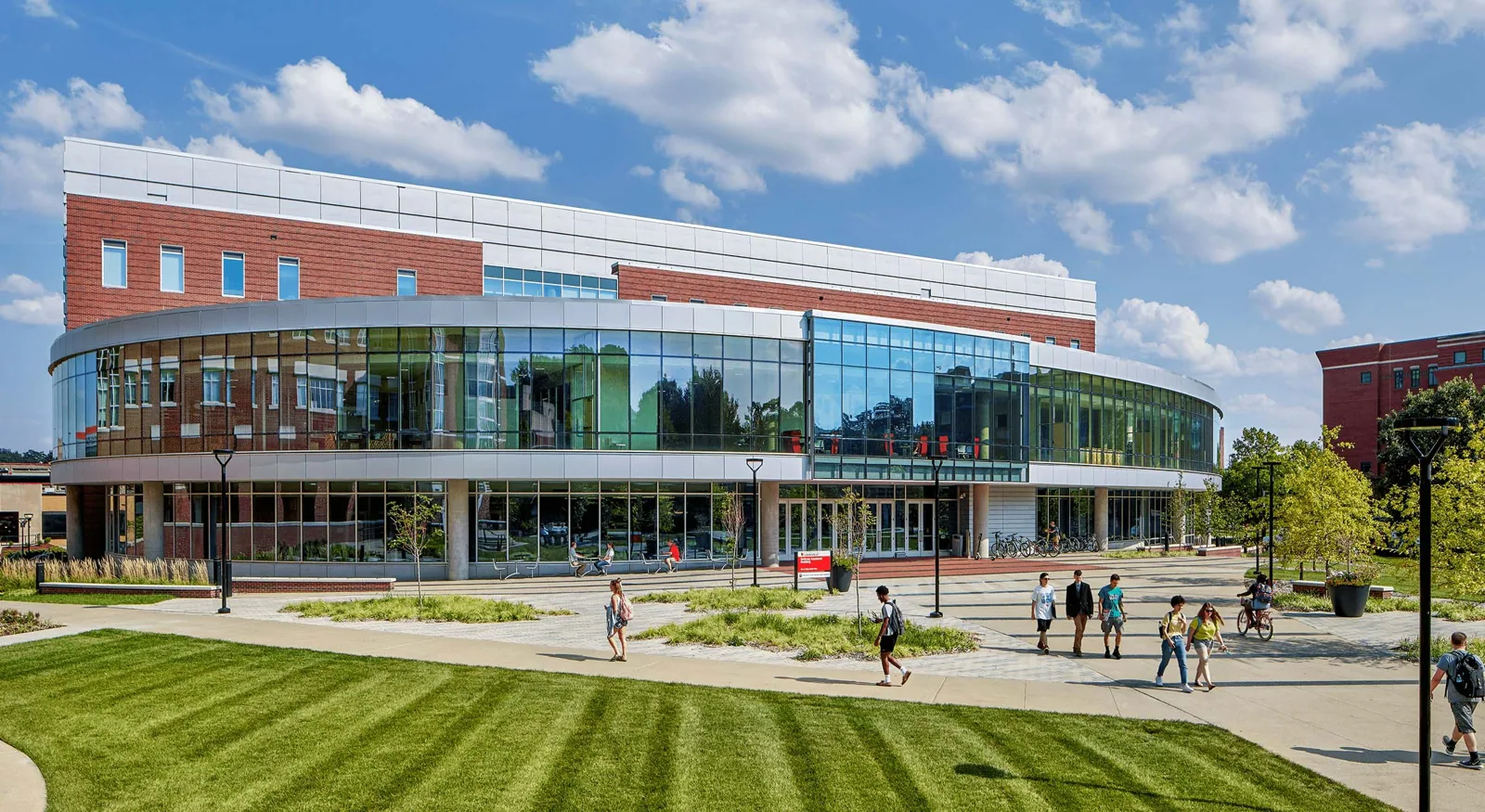
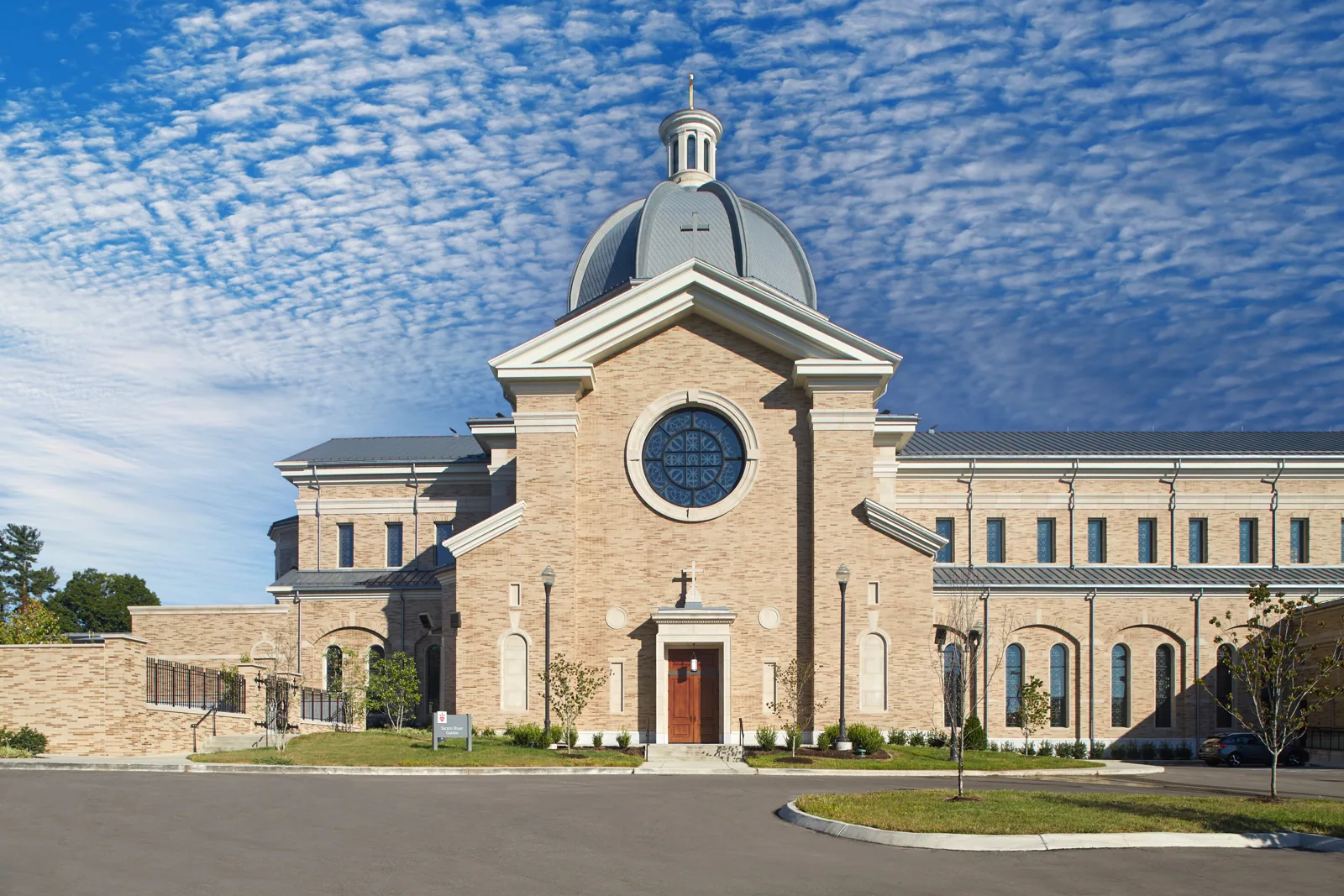
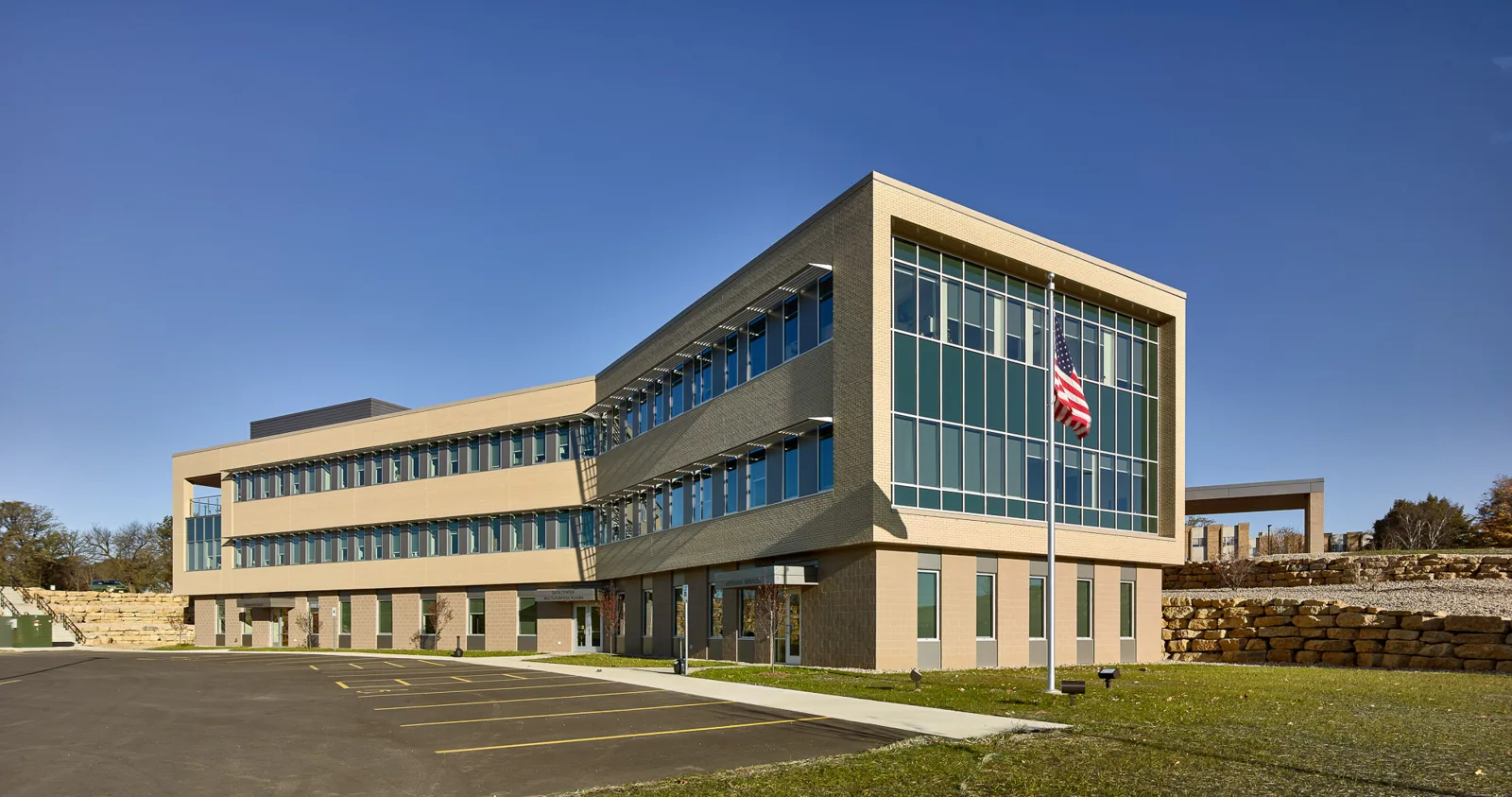
Hospital roofing and medical office roofing add air intake protection and quiet-hour rules. School roofing is scheduled around term dates. VA medical center roofing follows federal access and escort procedures.
Where a roof covers patients, students or residents, work is staged so that air intakes, entrances and play areas are protected before tear-off begins.
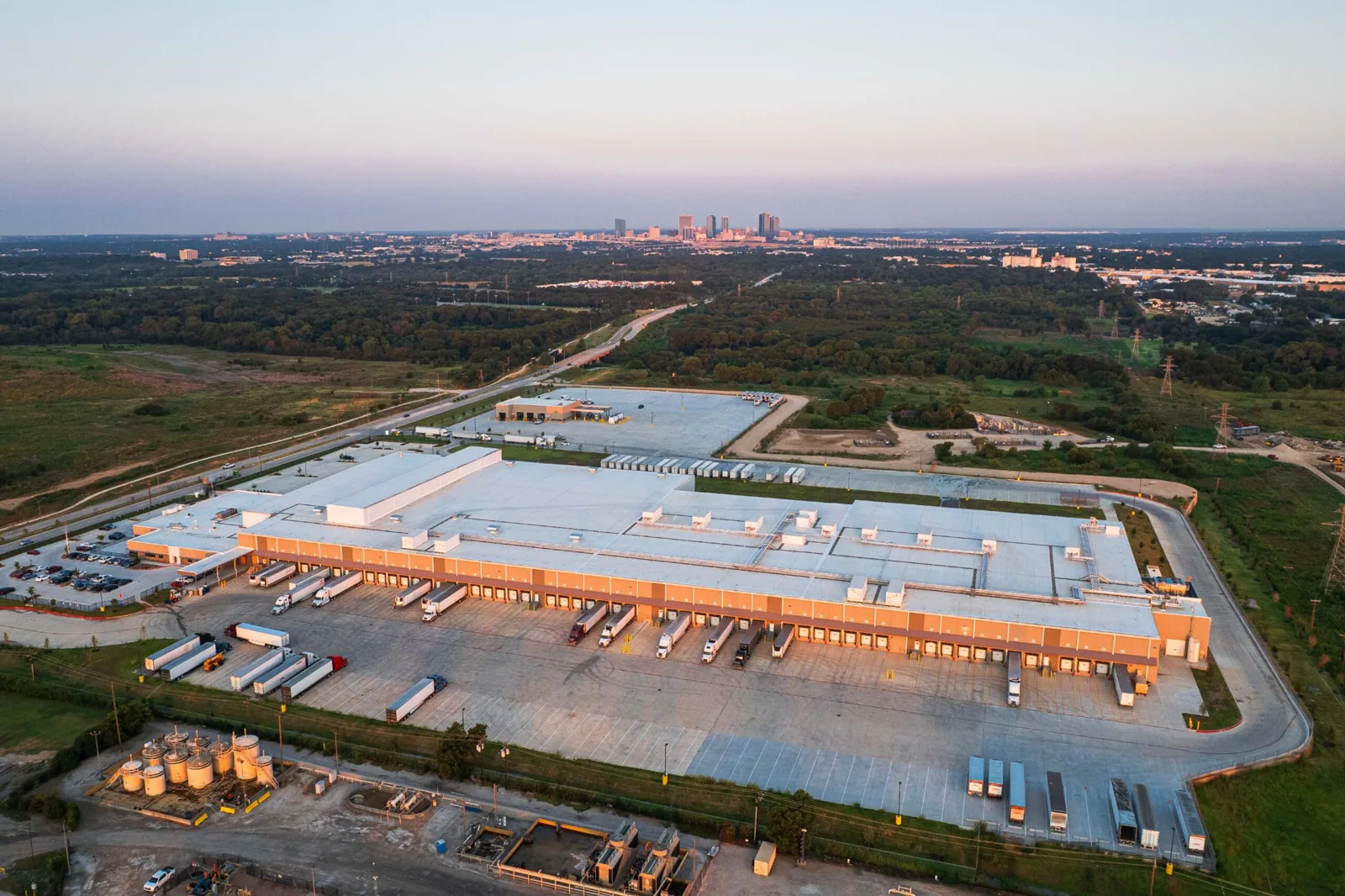
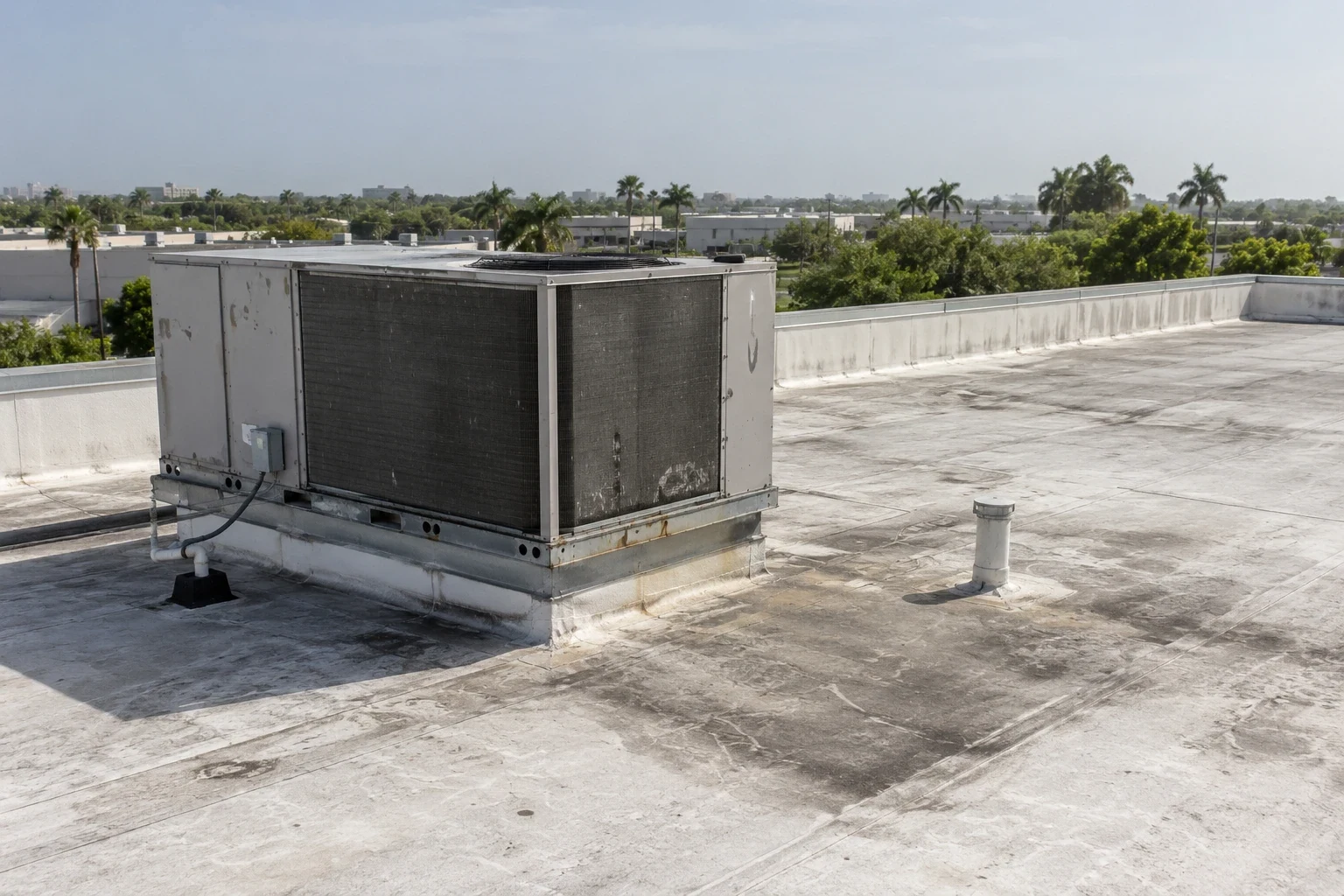
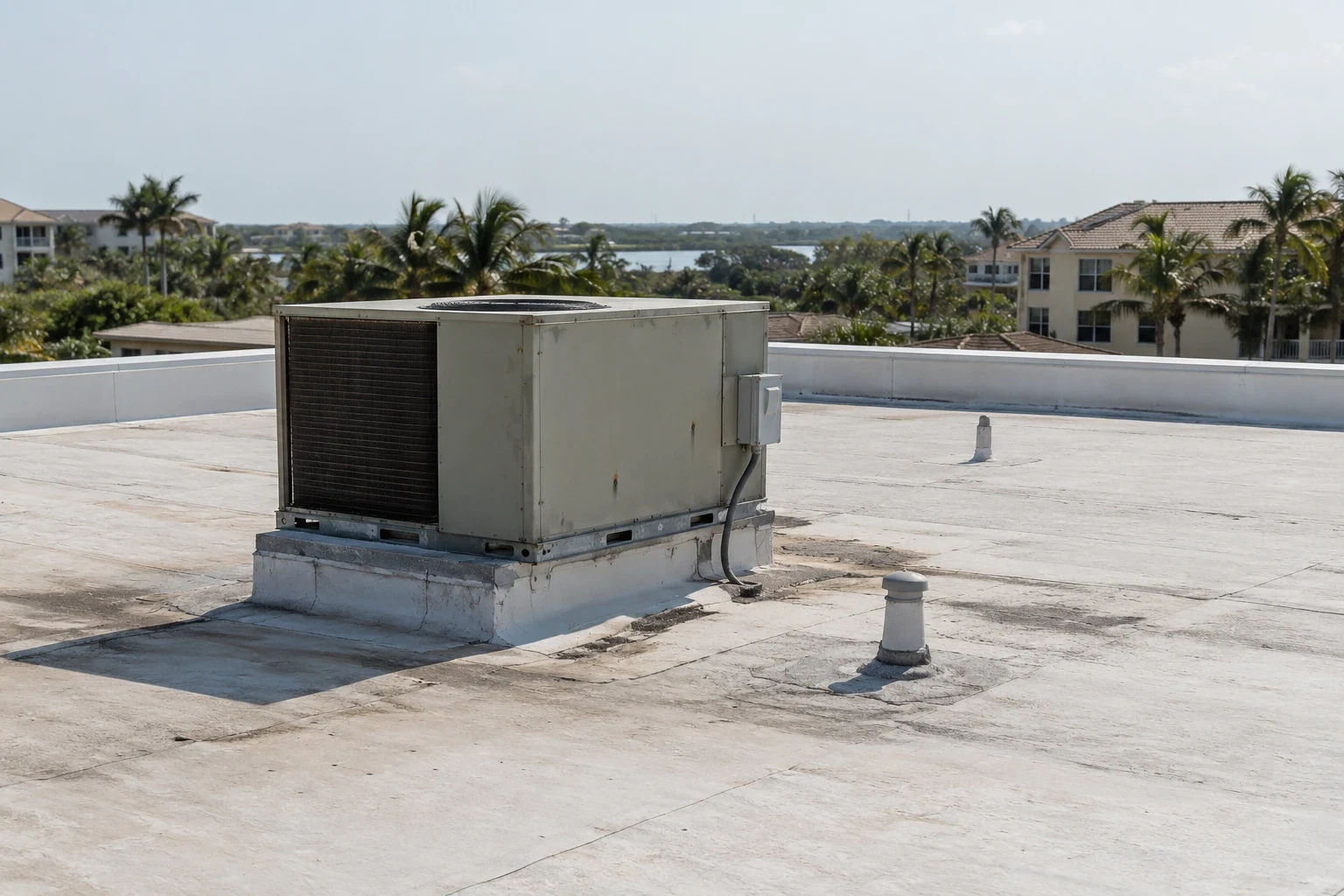
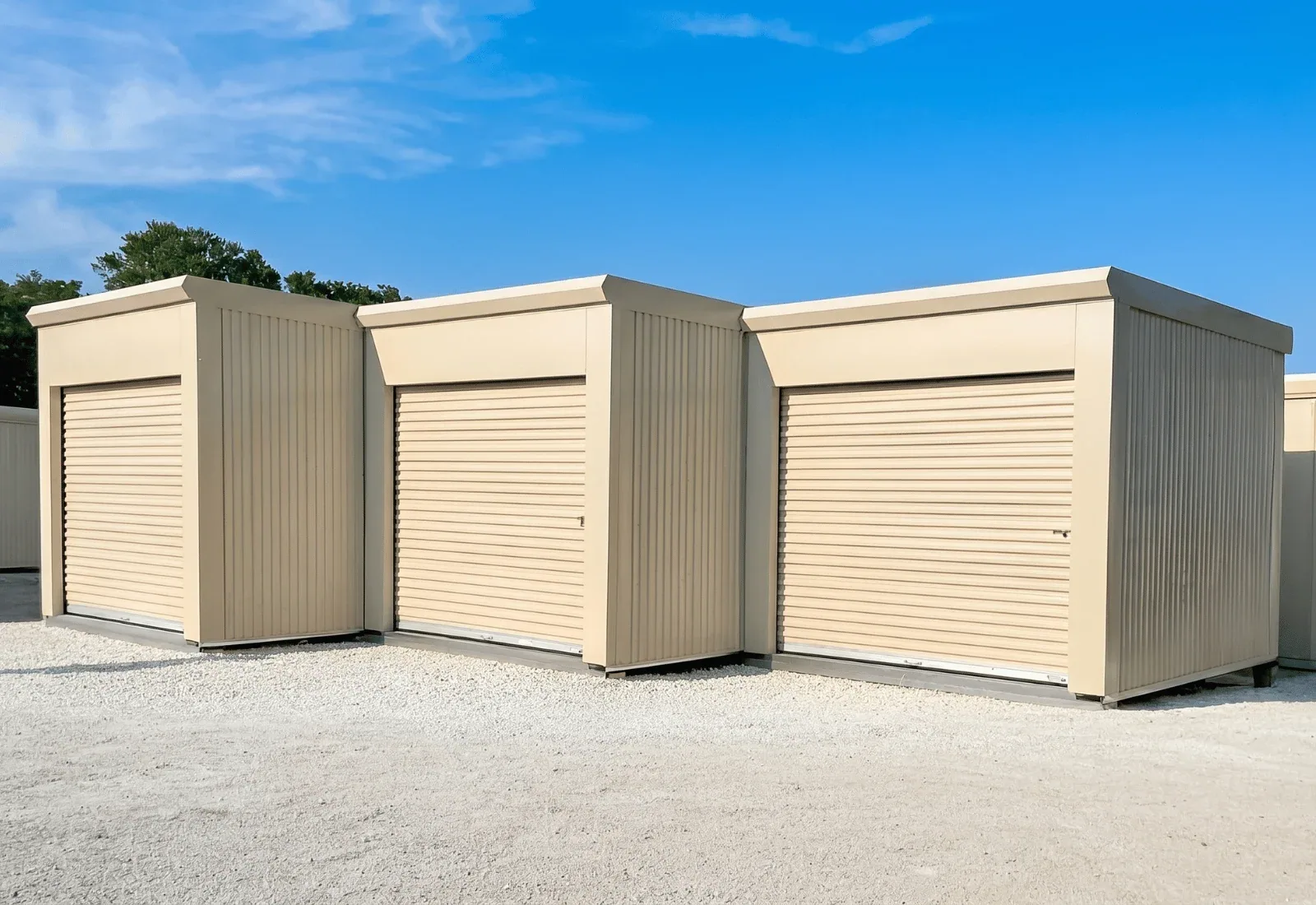
Warehouse roofing and distribution center roofing involve large drainage planes, long seams and many penetrations. The Washington Park Industrial Area is a named redevelopment area in the city, a useful reference for where industrial roof planning overlaps with public planning work. Roof access, truck staging and dock schedules are agreed before a crew mobilizes.
Hollywood's central business district reflects a 1921 original layout, and the Harrison and Tyler historic districts include many buildings with 1920s-era architecture. The roof of an older building may sit above a different deck, parapet or drain than a newer one, and the age of the building is not a fact about its roof until a core or a plan confirms it.