
Need this roof reviewed?
Coordinate grocery roof work in Hollywood, FL around refrigeration equipment, receiving and interior protection. Get a scope tied to observed conditions.
A grocery roof ties together membrane seams, refrigeration equipment, exhausts and drains above spaces that need steady temperature control. A leak near a cooler line may show up in a different room, and an exposed opening can affect stock or equipment before the roof path is known. Hollywood, FL averages an August daily high of 89.9°F, while summer rain tests outlets and transitions. In nearby Hallandale Beach, commercial density along East Hallandale Beach Boulevard includes strip centers and office buildings. We inspect the actual roof, map the water route and coordinate access with the store contact before choosing a repair.
Check curbs, lines and membrane transitions
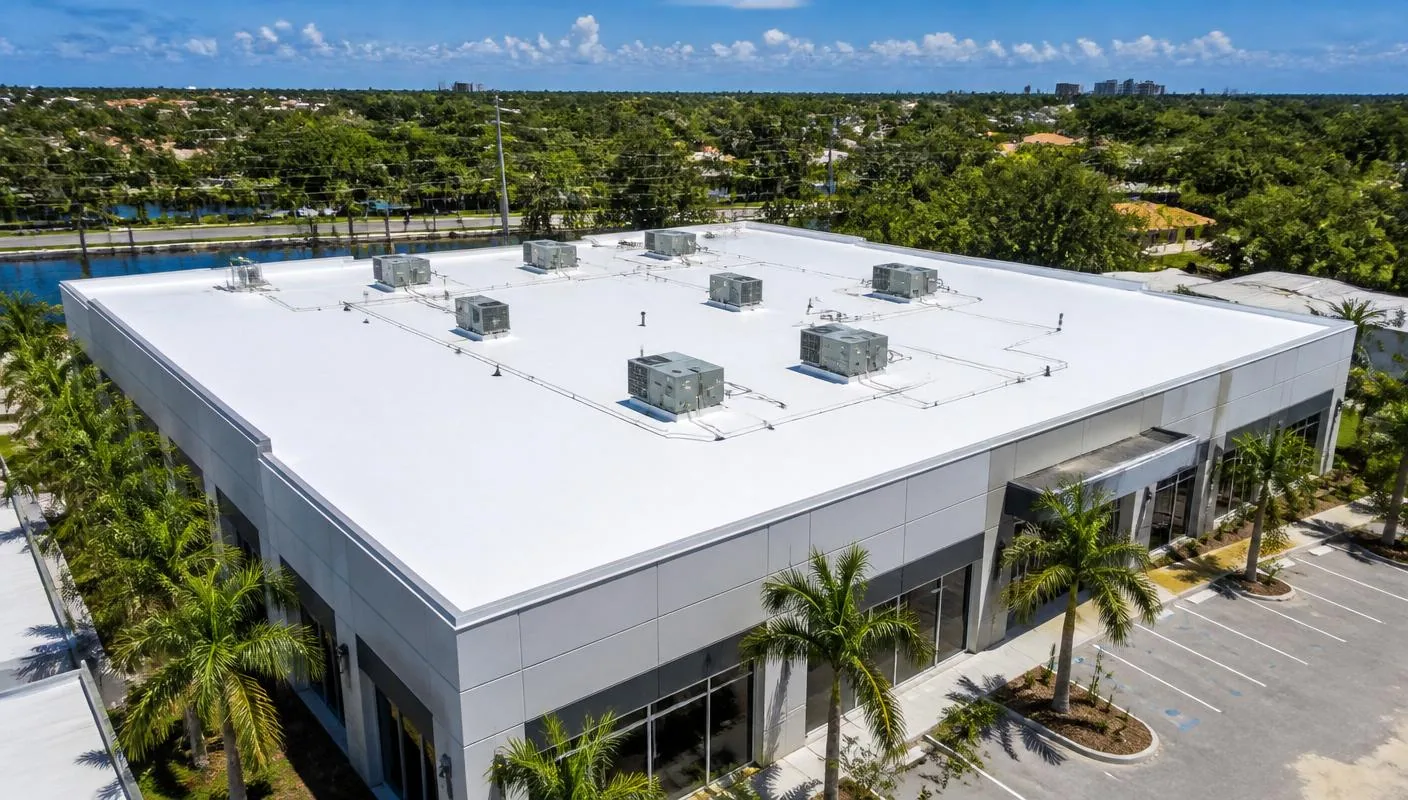
Refrigeration piping, condensate lines, exhaust fans and service platforms create multiple roof penetrations. We inspect each curb or support for flashing height, open seams, loose metal and sealant that has separated under movement. A line added after the original roof may have a different boot or pitch pocket from the surrounding membrane. The scope records which details were checked and whether water entry is visible, rather than assuming that an equipment leak and a roof leak share a cause.
At cooler and freezer areas, interior conditions can make the source of moisture harder to read. We compare the room report, roof layout and equipment records, then check for condensation routes as well as membrane defects. If damp insulation is suspected, an infrared moisture survey can help select direct test points. A roof inspection adds hands-on review of seams, drains and penetrations that imagery alone cannot confirm.
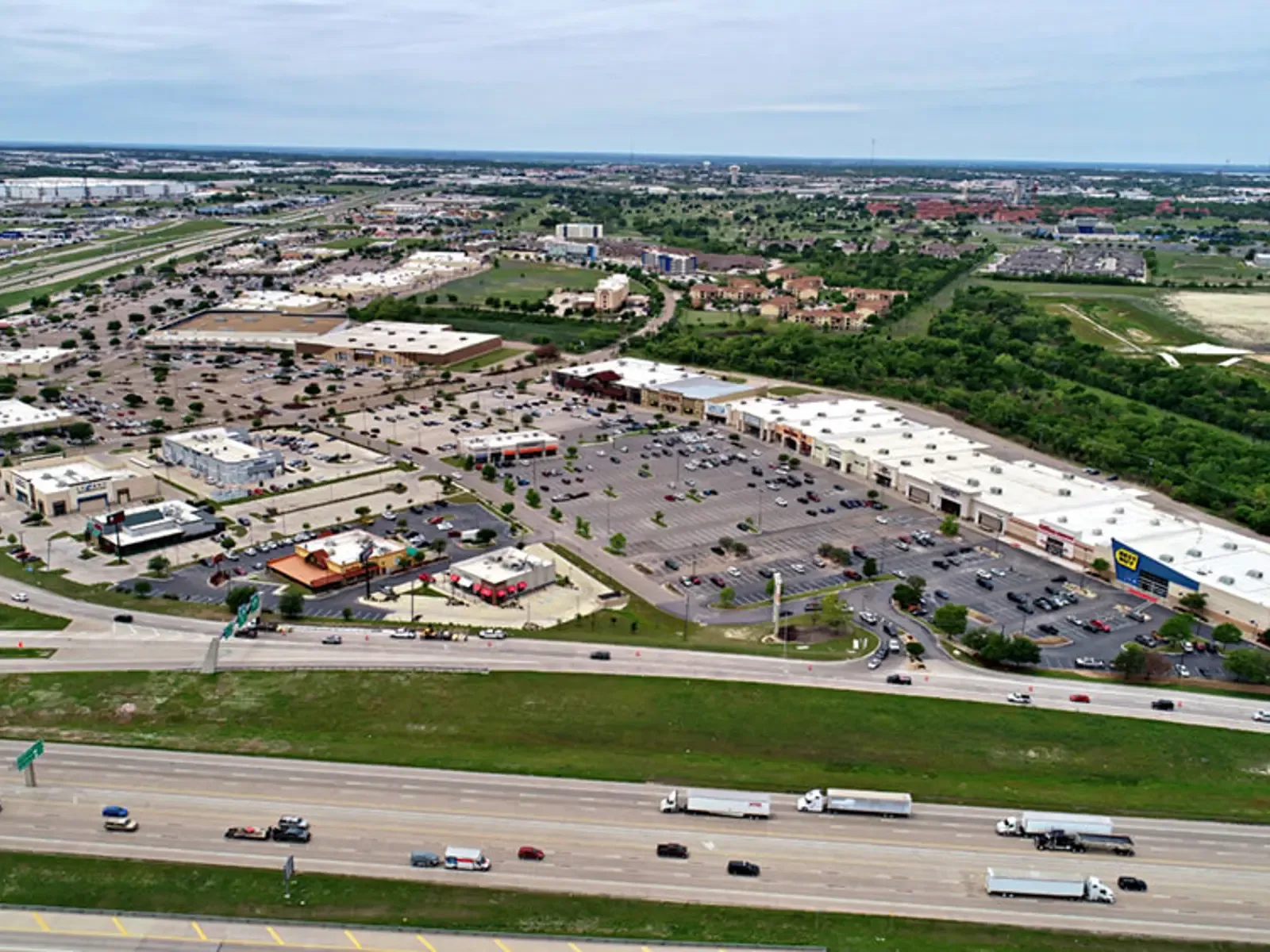
Grocery buildings may sit within a wider retail property with shared drains, loading lanes or landlord-controlled roof access. The shopping-center roof plan can address tenant coordination across common areas, while restaurant roof work can account for kitchen exhaust and grease-related service access when those uses are present. We scope the actual grocery roof, not a presumed layout.
Keep outlets clear through the wet months
Hollywood averages more than eight inches of rain in both June and September. Those recurring totals make outlet checks part of a grocery roof’s preventive work, because a drain blockage can put water near electrical, refrigeration or stock areas. We inspect strainers, bowls, scuppers and overflow routes, then trace the slope feeding each outlet. A shallow low point may remain wet after the drain is cleared; in that case we document its depth and duration before deciding whether it needs further correction.
Rainfall and tides both contribute to flood exposure in Hollywood, but parcel designations remain separate from roof drainage. Parcel designations are settled through map review, so we keep the roof record focused on membrane condition, outlet performance and the observed path of water. If an area east of US-1 also requires flood-map review, that is a separate property question that should not be folded into a roof repair recommendation.
When water crosses a seam or collects at a curb, we inspect the membrane around the outlet as well as the drain itself. A drain and scupper repair can correct an outlet connection, while the surrounding membrane may need a separate detail. Photos that show both the drain and the wider roof plane help the store manager understand why clearing debris may not address a settled area or failed flashing.
Coordinate roof work with receiving and food operations
Receiving doors, delivery windows, waste handling and customer routes can constrain where a lift or material staging area belongs. We confirm those routes with the store manager and identify any interior access needed to check a leak. If the repair is near a loading canopy or service yard, the scope should include the time and area affected. A small roof patch can still interrupt a delivery if its access path is not discussed before arrival.
In Downtown Hollywood, closures for events along Hollywood Boulevard between US-1 and 21st Avenue may change how delivery trucks, parking and staff reach a store, so roof access is planned around them. For a property near that district, we confirm current routing with the manager. A store in the Downtown Hollywood business area or in Hallandale Beach has its own loading dock, roof entry and interior protections, and we confirm each at the property.
Food operations may need temporary containment if dust, odors or roof openings could affect occupied space. We describe the work boundary and end-of-shift condition, and coordinate any necessary interior protection with the person responsible for operations. If an active leak requires immediate attention, we can first limit water entry where safe, then return for a permanent detail under suitable conditions.
Separate equipment repairs from membrane work
When a curb or seam is the confirmed entry point, we prepare the surface and repair the detail with compatible material. If a refrigeration line is leaking condensate, that mechanical issue needs its own correction. A roof patch should not be represented as a fix for equipment drainage, and a mechanical repair should not cover a damaged membrane without checking it. The closeout identifies each trade’s scope and any follow-up needed to confirm the roof detail.
Widespread wet insulation, recurring leaks or multiple failed transitions may lead to a replacement review. We compare the roof layers, attachment, deck condition and moisture extent before setting a broader quantity. A coating or recover cannot resolve an open drain or unstable substrate. The owner can compare targeted repairs with a capital scope through a roof capital plan that separates immediate water control from larger work.
Cost and timing depend on membrane type, access, number of penetrations, refrigeration equipment coordination, wet material and any interior protection. We state confirmed work separately from allowances where concealed conditions remain unknown. For insurance-related storm damage, a roof claim record can retain dates and photographs without assigning coverage or changing the repair findings.
Keep maintenance records tied to the building
After work, retain the roof location, equipment involved, photos, materials, access limits and follow-up observation with the store’s maintenance history. Log condensate-line changes, new curbs and equipment replacement because those changes can alter roof penetrations. When a later stain appears, staff can compare its location with prior repairs instead of reopening an unrelated area. A good record supports both the store operator and the owner responsible for roof assets.
Commercial uses along East Hallandale Beach Boulevard include strip centers and office buildings. A property mix like that can put different operators under one roof or within one managed center, so clear records matter when assigning access and repair boundaries. A neighboring strip center says nothing about a grocery roof, so we document the building, its drainage, the penetration details and the work performed.
Share the roof plan, refrigeration equipment locations, leak reports and receiving constraints before arranging a walk. We will identify the sections to inspect, note what can be confirmed and provide a repair scope that fits the store’s operations.
Related Roofing Topics

