Need this roof reviewed?
Plan restaurant roof repairs in Hollywood, FL around kitchen exhaust, deliveries and occupancy. Document flashing, drainage and work limits before scheduling.
A kitchen exhaust curb can be a small roof detail with a large effect on restaurant operations. Heat, grease service, vibration and repeated equipment work can disturb flashing or seams, while rain can carry water along the roof before it reaches a dining room or prep area. In Hollywood, FL, June and September both deliver rainfall above eight inches on average, and a kitchen exhaust curb or grease-soaked flashing meets that water first. We inspect the membrane, curb transitions, drains and interior report together, then define what is confirmed and what needs testing. A roof near Johnson Street or Downtown Hollywood still needs a scope based on the actual assembly and its access conditions.
Inspect exhaust curbs and service penetrations
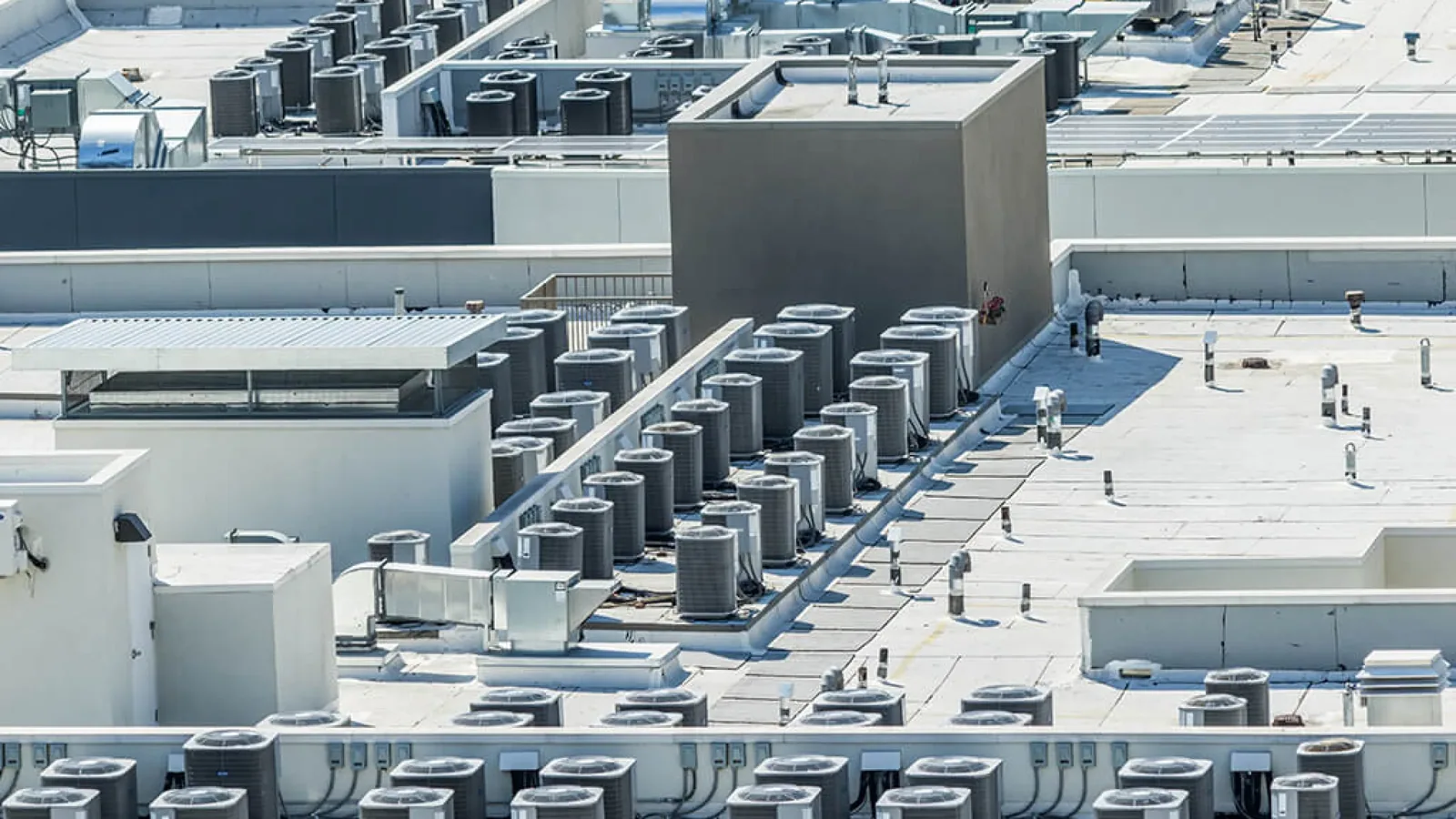
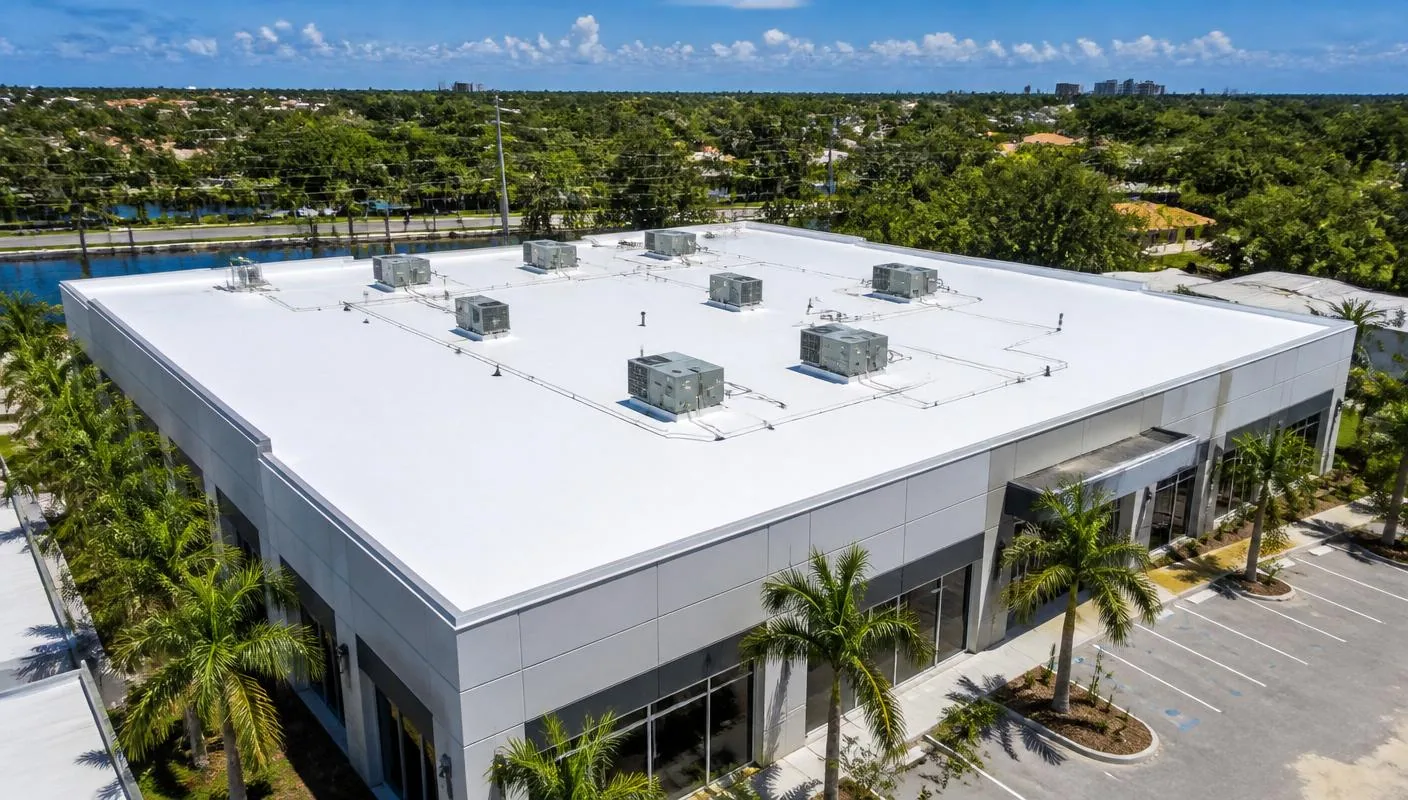
We check the flashing around exhaust curbs, make-up air units, refrigerant lines, conduit and supports. The inspection looks for lifted edges, failed sealant, loose metal, open seams and material that has been cut or patched during equipment service. A repair should reach sound material and account for movement at the curb. Adding sealant across a dirty surface can hide the opening without correcting the transition that sheds water.
Equipment records help explain when a roof penetration changed. We compare them with leak dates and the roof layout, then inspect both the curb and nearby membrane. If a mechanical technician needs to work on a unit, we coordinate how that access will avoid damaging a finished detail. A curb and support review can separate roof flashing from the equipment work itself, while a roof inspection captures the surrounding field and drainage.
A restaurant that also operates lodging or event space has different occupancy and maintenance patterns. A hotel roof review adds guest access and phased work, and a grocery roof review adds refrigeration and receiving routes. The restaurant’s own work boundary must still reflect its kitchen, roof access and open hours.
Protect the interior by following the water path
June and September each bring more than eight inches of average rainfall in Hollywood. Before those wet periods, we check drain strainers, bowls, scuppers and overflow paths, then look for low areas that direct water toward exhaust curbs or wall transitions. A clogged outlet may be straightforward to clear; a settled area can hold water after the obstruction is gone. We photograph the outlet with enough of the surrounding roof to show the path and any nearby seam or patch.
Hollywood’s citywide climate assessment considers tidal flooding, storm surge and compound-flood exposure. Ground-level flood risk is a separate matter from a roof leak. If water enters a restaurant, we map the interior mark to roof details and separate any parcel flood review from the repair investigation. A drain and scupper repair can address an outlet connection, while a seam or curb failure may require a separate membrane detail.
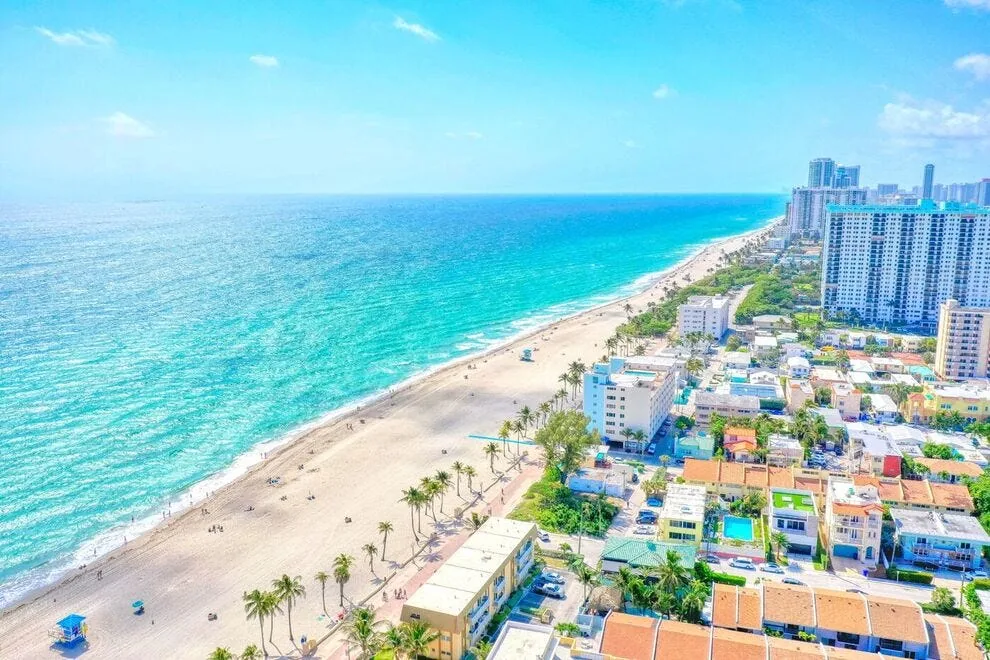
Hollywood Beach’s business district includes hotels, cottages and other buildings near the Atlantic, and local business concerns include parking, transit and events on the Broadwalk. For a restaurant property in that area, we coordinate roof access and material handling with the operator’s schedule. The nearby setting can affect logistics, but the building’s own roof type and exposure are read on the roof.
Sequence roof work around meals and deliveries
Receiving windows, kitchen ventilation and dining hours influence when a crew can work above the building. Before mobilization, we confirm roof access, lift placement, material staging, delivery routes and any interior protection. If a work zone is near an exhaust intake, we coordinate the sequence with the operator so roof activity does not conflict with equipment use. The plan should also identify how an opening will be protected before the end of a shift.
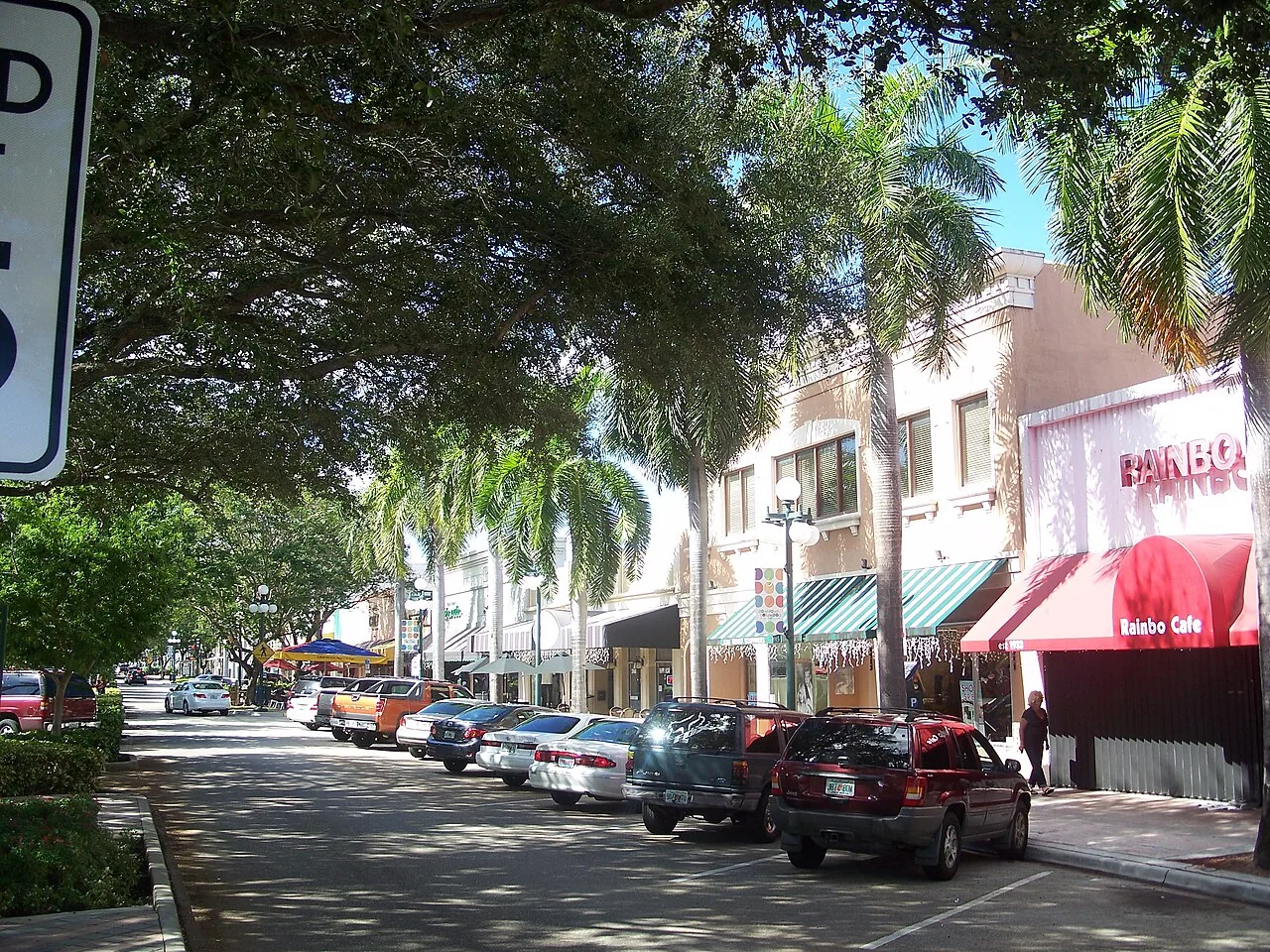
Where a restaurant sits on or near Hollywood Boulevard between US-1 and 21st Avenue, event closures can cut off deliveries and staff parking, so tear-off is timed around the lunch rush and the weekend calendar. For a restaurant project near that corridor, we confirm current routing with the property contact. If a leak needs immediate protection during a storm, we first address safe access and interior exposure, then arrange permanent repair when the surface and work conditions support the selected material. Temporary measures are identified as such in the closeout.
Where multiple areas need work, we can phase the scope by roof section or exhaust group. That gives the manager a clear sequence for equipment shutdowns, kitchen protection and roof access. A maintenance program can record drain cleaning and curb checks so future service calls begin with the current roof history.
Repair the detail or broaden the review
A localized repair is appropriate when the entry point is clear and surrounding material is sound. We prepare the membrane, replace failed flashing or patch a seam with a compatible assembly, then photograph the finished work. If the area around the curb is wet, we verify how far that condition extends before setting a tear-out boundary. The visible interior stain does not define the full repair quantity.
Repeated leaks, widespread seam separation, saturated insulation or a compromised deck may change the decision. We compare a targeted repair with replacement or recover only after checking attachment, layers, moisture and the condition of the substrate. Cost depends on access, penetration count, metal fabrication, area opened, equipment coordination and the need to protect occupied space. A seam failure repair is scoped to the membrane and its surrounding detail, not to a general roof-area allowance.
Hollywood's Building Division issues the permit for a restaurant reroof, and the Florida Building Code 8th Edition has applied statewide since December 31, 2023. Should the reroof need permits or design review, the roofing scope is coordinated with the owner's project team and worked around the kitchen schedule. Our condition notes do not substitute for required plans or approval. The TPO system option is considered only when the existing assembly and project requirements support that material.
Keep equipment and roof records together
Closeout should show the curb or seam repaired, materials used, photos, areas not opened and any follow-up question. Keep it with exhaust service notes, equipment replacement, prior leaks and drain work. When a contractor later changes a fan or line, the roof record helps the manager see where the membrane was disturbed and what detail was restored. That history can prevent an unrelated repair from being treated as a repeat of the same failure.
Restaurants along Johnson Street, from 56th Avenue to US-441, sit inside the Johnson Street Business District. Those restaurants share a district, but the roof decision still follows each property's own equipment and water path. Send the roof plan, leak location, exhaust service history and access limits before a walk. We will document the condition and give the operator a repair sequence that fits the building’s use.
When a restaurant portfolio includes roof work and capital planning, a roof capital plan can separate immediate repairs from work that can be scheduled in a later operating window. The record should state the evidence, access conditions and next action for each roof area.