Need this roof reviewed?
Coordinate hotel roof repairs in Hollywood, FL around guest areas, service routes and weather exposure. Document drains, equipment curbs and work limits.
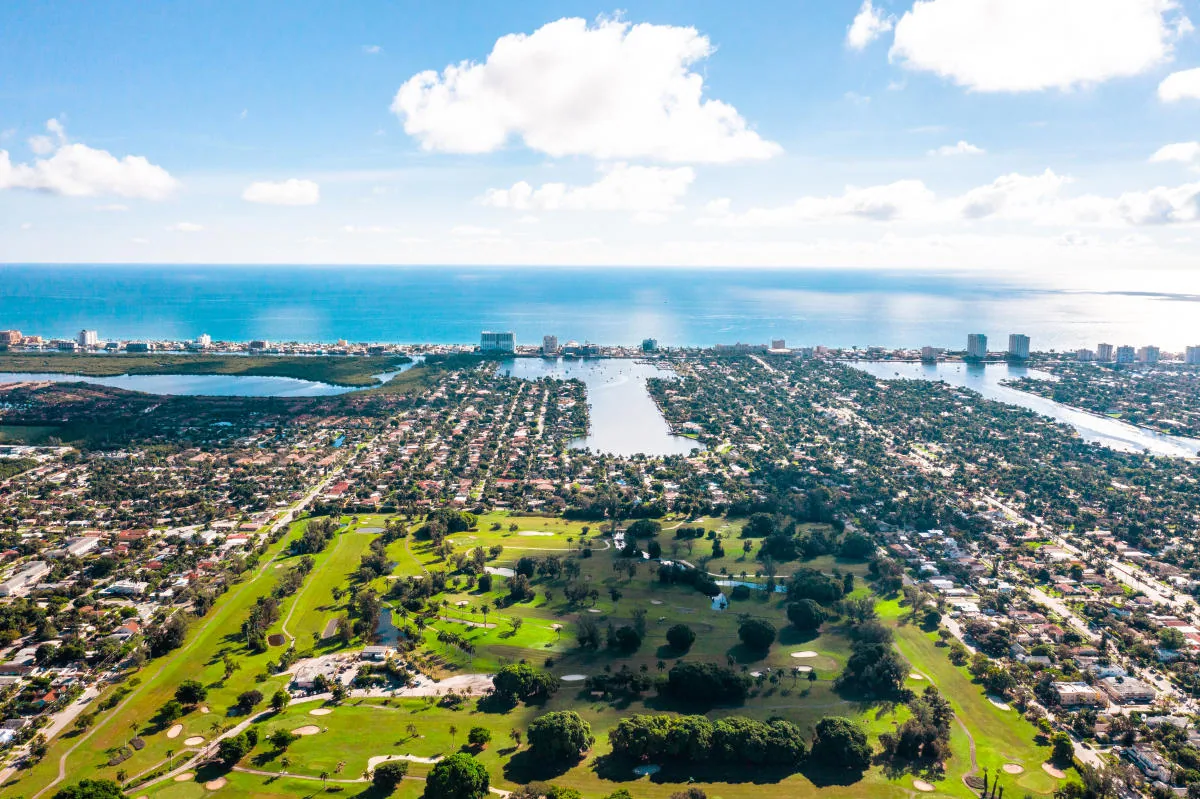
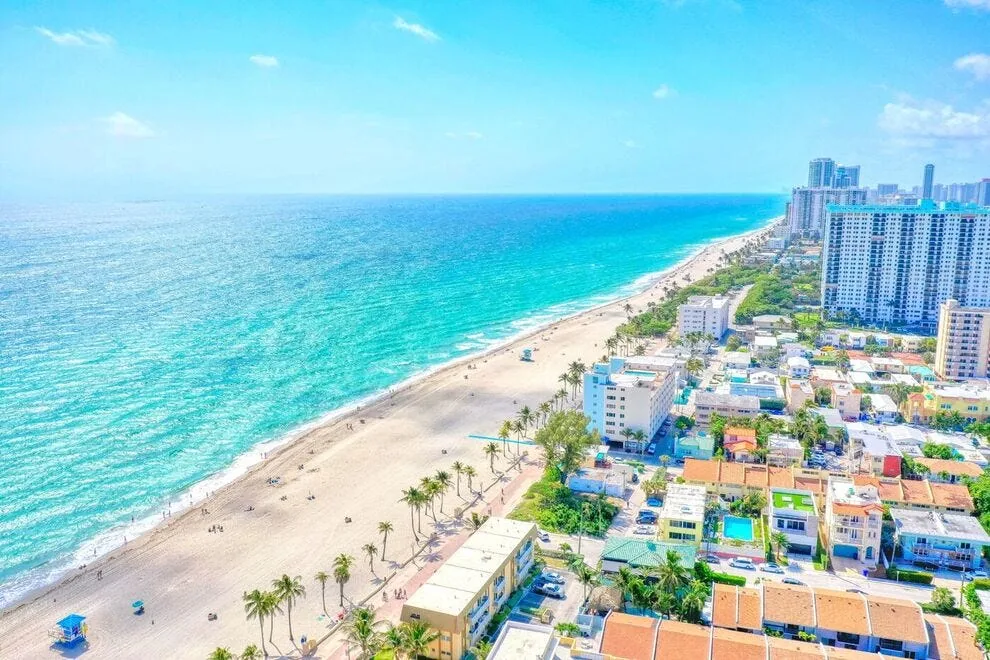
Hotel roof work has to protect rooms and shared areas while the roof remains accessible to maintenance. A leak near a corridor, kitchen or guest room can move below the membrane before it appears indoors, so the first task is to connect the report with a roof section and its drainage path. Hollywood, FL has recurring summer heat and substantial rain in June and September. The Hollywood Beach Business District includes hotels, cottages and other historic buildings near the Atlantic, where parking, transit and Broadwalk events can also affect operating logistics. We inspect the actual assembly and coordinate a work boundary that fits the property’s access conditions.
Protect occupied rooms and service areas
Before a roof walk, we confirm guest-facing routes, staff access, roof hatches and any room that may need interior inspection. A ceiling mark over a guest area can be related to a drain or curb several bays away. We compare the room location with roof plans, prior service notes and visible details, then mark the likely path. If water is active, we coordinate immediate interior protection while keeping a temporary measure distinct from the permanent repair.
Work staging can affect loading areas, back-of-house operations, ventilation and building access. We identify the path for materials, where equipment will be placed and how a work area will be separated. If an exhaust unit or air intake sits near the repair, its operation may need coordination during the work window. A phased occupied-building scope can define sections and handoffs when work extends beyond a localized repair.
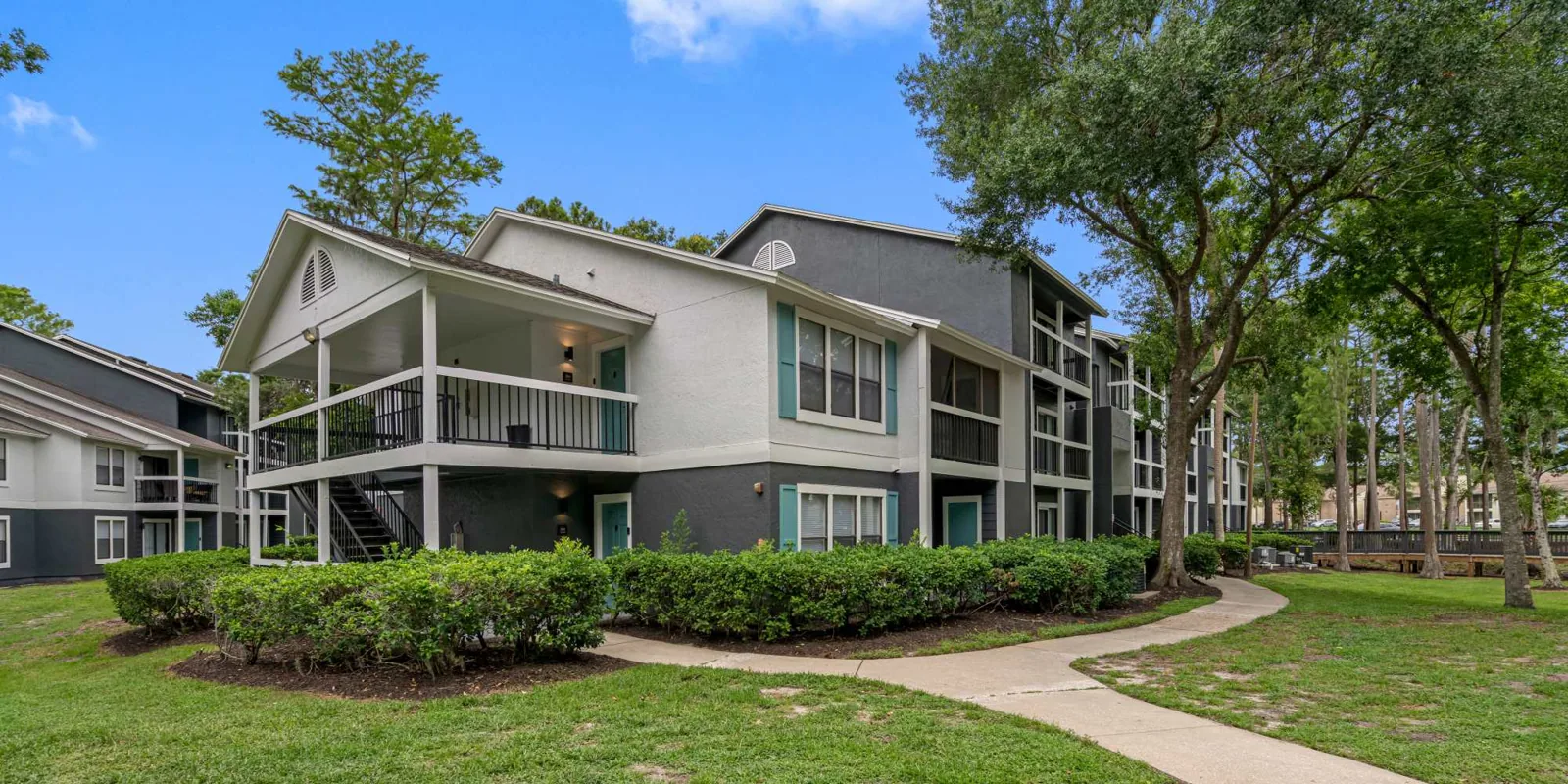
A hotel property may also include a restaurant, apartments or a conference building with different access needs. A restaurant roof brings kitchen exhaust and receiving routes into the plan, and an apartment building brings residential notices and shared corridors. Each roof still gets its own field observations.
Check transitions around equipment and edges
Mechanical curbs, exhausts, skylights, parapets, gutters and decorative roof edges create transition points where water can enter. We check flashing height, attachment, seams and previous sealant repairs, then compare those details with the surrounding membrane. On a roof with multiple materials, a transition needs a repair compatible with both sides. If repeated movement or wet insulation extends beyond the visible opening, we map the affected area before pricing removal.
Hollywood’s historic Beach district includes hotels, cottages and other buildings with Mediterranean Revival and Art Deco examples. A building’s style does not settle what its roof is made of, so we inspect materials on site and coordinate any design or preservation review through the owner’s project team where applicable. A roof inspection can record actual details and access limits, while an edge metal review addresses perimeter transitions and drainage.
At roof drains, we check strainers, bowls, scuppers and the slope feeding each outlet. A drain and scupper repair can be listed separately where the outlet connection is part of the water path. Clear photos should show the nearby roof plane, not only the drain opening, so facilities staff can distinguish debris removal from a low area or membrane defect.
Keep roof drainage separate from site flood review
Both June and September bring more than eight inches of rain to Hollywood on average, which keeps hotel roof drains working through the shoulder months as well as the peak season. Hollywood faces combined rainfall and tidal-flood exposure. For a hotel, these facts support careful drain and overflow checks before wet weather. We record water depth and duration, inspect outlet flow and note whether ponding reaches a seam, curb or wall transition.
Flood-map and elevation questions should remain in the property’s civil or risk records. Roof inspection focuses on water entry through the building envelope, including seams, penetrations, edges and drains. If the interior report occurs during a storm, we note its timing and affected area but avoid assigning a cause until the roof evidence supports one. A wind damage review can document edge displacement after a storm, while a claim documentation scope can organize photos and dates without deciding coverage.
A hotel downtown has to plan material staging around event closures on Hollywood Boulevard, because the city's 2026 business resource guide notes they change access for staff and deliveries. For a property near the district, we confirm current routing with hotel operations before setting a lift or staging area. For a hotel in the Downtown Hollywood business area, the property’s own access plan controls the work sequence.
Choose work that matches the roof evidence
A repair is appropriate when the opening can be isolated, the adjacent material is sound and the patch can bond to a clean, compatible surface. If the roof has repeated leaks, loose attachment or wet insulation in multiple areas, a broader scope may be needed. We identify confirmed conditions, areas not opened and any test that could change the quantity. That gives ownership a basis to compare immediate water control with replacement planning.
Cost and timing depend on roof access, membrane type, wet-area extent, number of penetrations, deck repairs and temporary protection. Guest-room access and service windows can also change the sequence. We separate allowances for concealed conditions from work that can be measured. A moisture survey can help select verification points when surface signs are inconclusive, and a photo condition report can preserve the findings for the next budget review.
Hollywood’s Building Division handles permits and inspections for construction, and the Florida Building Code 8th Edition became effective statewide on December 31, 2023. If the roofing scope requires permit or design review, we coordinate with the owner’s project team. A field report describes observed roof conditions; it does not replace required plans or approvals.
Preserve the roof history between seasons
Closeout should show the repair location, photos, materials, access limits and any condition left for follow-up. Keep it with roof plans, guest-area reports, drain service, equipment work and prior bids. When a new leak appears, the manager can compare the room, date and weather with the earlier record. That history helps separate a recurring roof detail from a new mechanical or interior source.
The Johnson Street Business District runs along Johnson Street between 56th Avenue and US-441. Whether a property sits near the beach, on that corridor or inland, the maintenance decision comes from actual drainage, edge and membrane conditions. A preventive maintenance visit can document those details before they become a guest-facing interruption.
Share the roof plan, recent leak locations, equipment schedule and access rules before arranging a walk. We will identify which areas need inspection, note what remains uncertain and return a scope that can be coordinated with hotel operations.
Related Roofing Topics