Need this roof reviewed?
Warehouse and distribution roof repair, recover and replacement for logistics and 3PL operators in Hollywood, FL, around peak seasons and dock traffic.
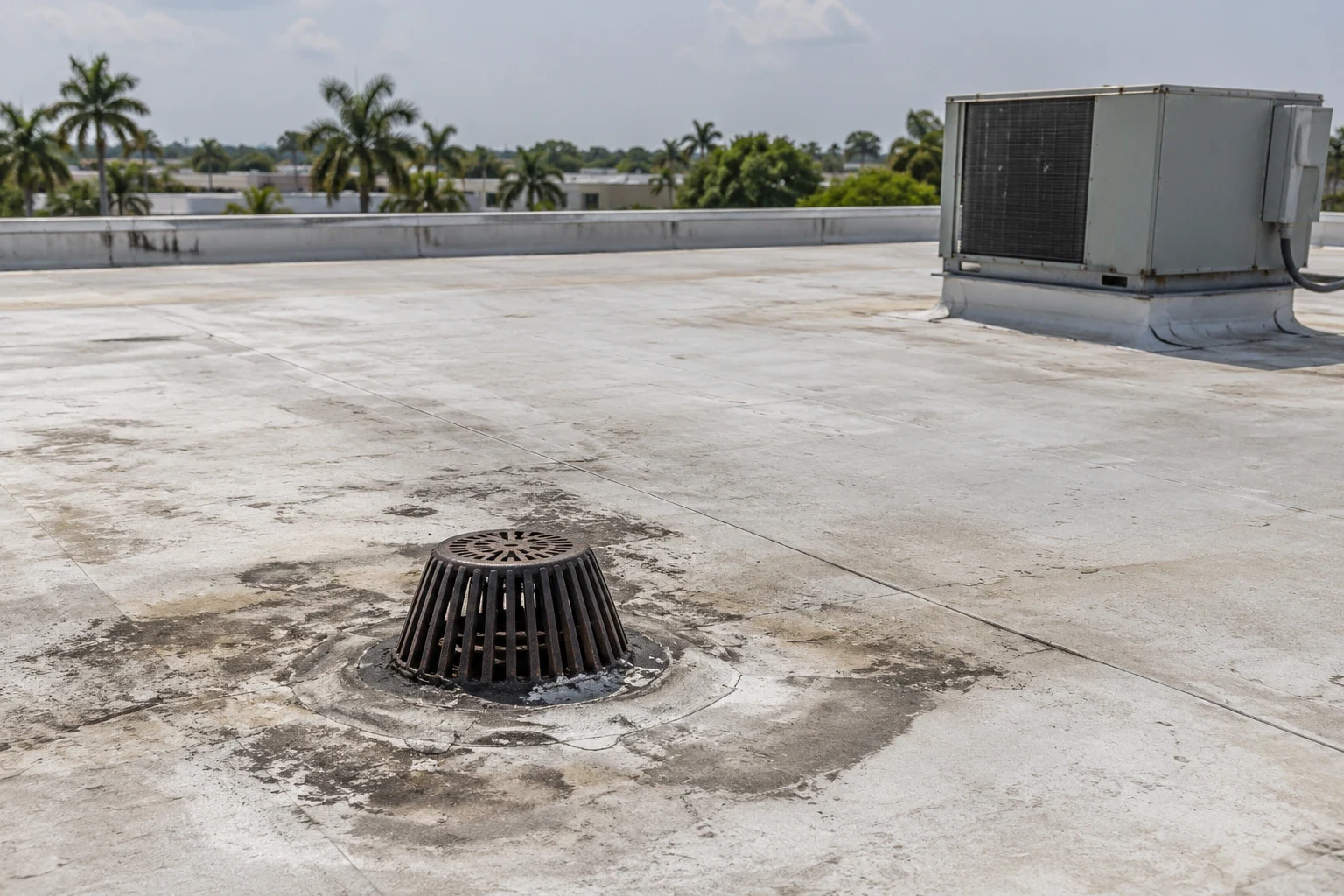
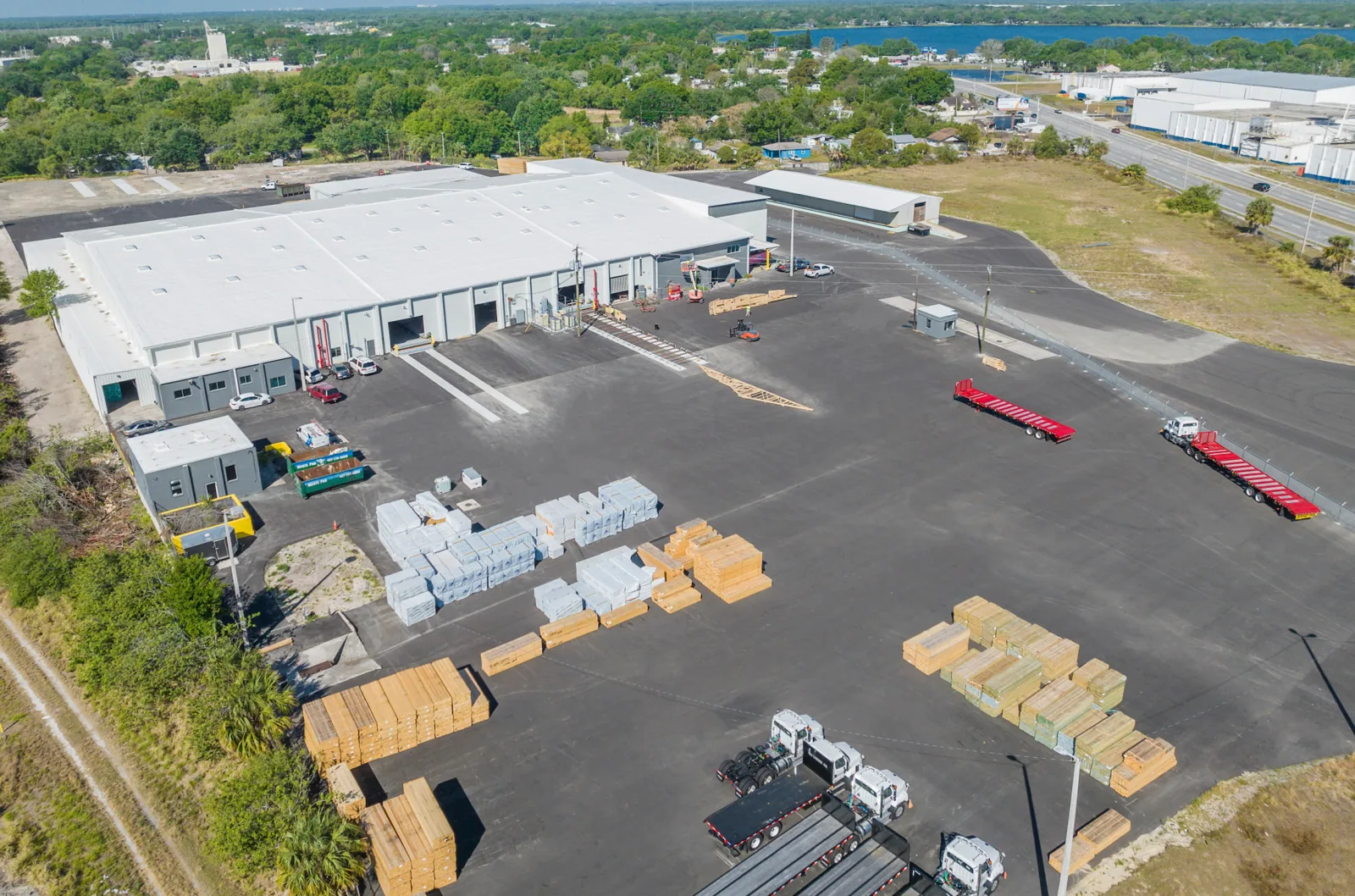
Water that reaches a pallet rack has already crossed the whole roof assembly, so the useful question for a logistics operator is not where the stain is but how long the water path ran before it showed. Commercial Roofers Hollywood works with logistics and third-party operators who lease or run warehouse and distribution space around Hollywood, FL, and the first walk is a mapping exercise: dock canopies, drains, skylights, smoke vents, rooftop units and the long seam lines between them. Each finding is tied to the inventory zone below it, so a repair can be scheduled around the bays that matter most to customers and to the operator's contracts.
Inventory zones under the roof
A warehouse roof is a single large surface over areas of very different value: general storage, temperature-sensitive goods, electronics, hazardous-materials cages, returns, office space and the dock apron. We ask the operations team for a floor map and mark the roof plan to match. Findings are ranked by the zone they protect. A cracked pipe boot above an empty overflow bay is a scheduled repair, while the same crack above a customer's high-value cage is a same-week protection job. The ranking lets operators decide which bays to move, which racks to cover and which contract commitments to flag while the roof work proceeds.
The same map guides interim protection. If a leak is found above a sensitive bay, covers go over racks, product is moved if time allows, and the operator logs the move so inventory records stay accurate. The roof report notes which actions were taken and when, which also helps in a claim conversation.
Dock canopies, edges and wall transitions
Dock edges take more punishment than the roof field. Trucks strike canopies, doors shake walls, and downspouts discharge onto aprons where standing water collects. We check the canopy edge, the membrane transition to the wall, the sealant at door headers and the condition of the metal edge that holds the roof perimeter. Water that gets behind a header runs down inside the wall and appears at the floor, often as a damp patch that staff attribute to a plumbing leak. Photographs of the exterior and the interior are compared, and the roof side is repaired where the evidence points there. The canopy and edge details are handled together with roof drains and scuppers because water from the roof leaves through them.
Racking, sprinklers and fire protection below
High-pile storage and racking put fire protection close under the roof deck. Sprinkler mains, hangers and heads hang from the structure, and a roof repair that drills, fastens or hoists near them has to avoid damaging them. Before work begins we locate the sprinkler lines, mark no-drill zones on the plan and coordinate with the operator's safety lead about impairment notices when a system must be shut off for any reason. Water entering a building above racking can also set off flow alarms or short a detection circuit, so leak logs include the time and whether any alarm sounded. Skylights and smoke vents deserve a line of their own, since their gaskets and domes age and leak in ways a membrane inspection does not catch. We check each one and recommend replacement of failing components when the roof is next opened.
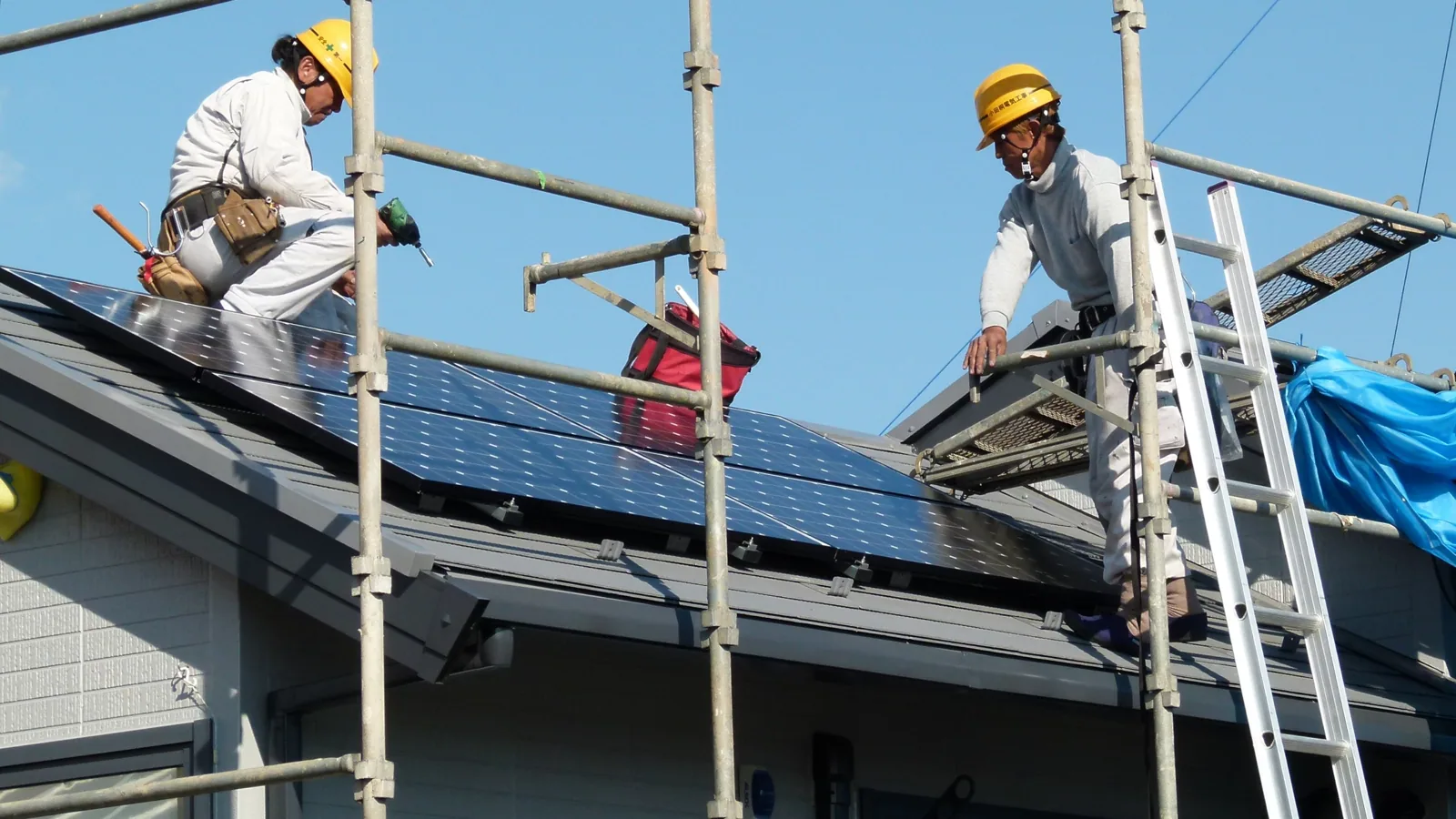
Solar is another factor. Some distribution roofs carry rooftop arrays, and every mounting point is a penetration or a ballast load. Where an array exists or is planned, we map the supports, check the flashing at each and coordinate roof work with the array contractor so that the array is lifted, reset and reconnected on a schedule the operator can plan. Manufacturers with similar heavy rooftop loads follow the same sequence, and retail chains that run their own distribution centers do too.
Peak season and shutdown calendars
Logistics runs on peak periods, and the roof calendar should respect them. Heavy tear-off, hoisting and loud fastening are scheduled for slower weeks, and during peak weeks the plan limits itself to protection, drain clearing and emergency response. Roof work in an operating warehouse is zoned: one bay of roof is opened, dried in and closed before the next, and interior protection is placed under the open zone. Forklift routes, dock doors, fire lanes and truck courts stay clear, and staging happens in a marked area. Where a client contract restricts access to certain zones, the plan lists the restriction and the escort. Occupied building reroofing is built for that kind of constraint.
Corridors and truck access
South Florida's logistics network runs along a handful of corridors. Miramar lists Florida's Turnpike, I-75, US-441/SR 7 and US-27 as major routes, with I-95, I-595 and SR 826 nearby. Miami Gardens points to I-95, the Palmetto Expressway and the Turnpike, along with FEC Railway and Tri-Rail access. Doral cites proximity to Miami International Airport, and Davie reports access to Port Everglades, PortMiami and international airports. Pembroke Pines describes warehouse and flex space at the Chapel Trail Trade Center. These descriptions show how freight moves around the area. We plan material delivery and crane picks around the same traffic, which often means early-morning windows. Operators with space in the Pembroke Pines industrial parks or in Doral plan the same early windows.
Wind, heat and rain on large roofs
South Florida's most active storm weeks run from mid-May to early July, and Hollywood's August afternoons average 89.9°F. A large low-slope warehouse roof has a long perimeter, and wind lifts a roof from its edges first, so we check edge metal, coping and corner attachment before each season and after any storm. Heat cycling works on seams and sealants, and rain tests every outlet. We photograph the perimeter in a set order and record ponding depth after rain, so an operator has a before-and-after record when the next storm comes.
Records that serve customers and insurers
Third-party operators answer to the landlord, the customer and the insurer. A roof file with dated photographs, a plan, repair history and open items lets an operator answer a landlord's inquiry or a customer's audit without scrambling. Permit records are filed with the rest, with the code edition and inspection dates noted for each building. Operators with several sites can compare them through multi-site roof programs, and owners who lease to operators will find the same format useful, especially for warehouse landlords.
Customers who audit a facility often ask about the roof, and a one-page summary pulled from the file, with the last inspection date and any open items, answers that question quickly.

