Need this roof reviewed?
Roof programs for multi-location retail and restaurant brands in Hollywood, FL, with store-by-store records, grease-aware repairs and after-hours scheduling.
A restaurant brand with forty stores does not have forty roof problems; it has a handful of repeating ones, and the work is to find them early. Grease staining at the exhaust fan, a clogged scupper behind the dumpster pad, a split seam at a wall flashing: these show up store after store because the buildings and equipment are alike. Commercial Roofers Hollywood works with multi-location retail and restaurant brands that operate in and around Hollywood, FL, and the method is to record each store the same way, find the patterns, and then price one fix across many locations instead of reacting to each leak call.
Repeating defects across stores
When stores share a prototype, they often share a weakness. A particular exhaust curb detail, a rooftop unit placement that blocks a drain, a parapet cap that opens at the same joint: once two stores show it, the others are suspect. We build a short defect list from the first stores walked and check it on every later visit, which turns a random series of calls into a program. For brands that lease space in strip centers or shopping centers, the same pattern approach works, with the landlord's roof as the subject and the tenant's equipment as the variable. The result is a table the brand's facilities team can sort by defect, by store and by urgency.
Exhaust, grease and the membrane
Restaurant exhaust discharges hot, greasy air, and the residue settles on the roof around the fan. Some membranes soften, blister or lose adhesion where it sits, and grease that reaches a drain can harden and block it. We photograph the surface around each exhaust fan, check whether a containment tray is installed and emptied, test the membrane for softening and inspect the curb and flashing. A cracked boot or loose clamping ring can pass water into the kitchen long before the surface looks worn. If the existing system is poorly suited to the exposure, the scope names a grease-resistant alternative and the reason. A brand-level cleaning schedule for trays and fan housings keeps grease from reaching the membrane in the first place.
Heat adds to the load. August afternoons near 89.9°F make a roof surface next to a kitchen fan run hotter than the air around it. Thermal movement at the curb opens sealant over time, so we check the base of each fan after summer and before the wet season, when the June and September rainfall normals above 8 inches test every penetration.
Retail roofs and shared drainage
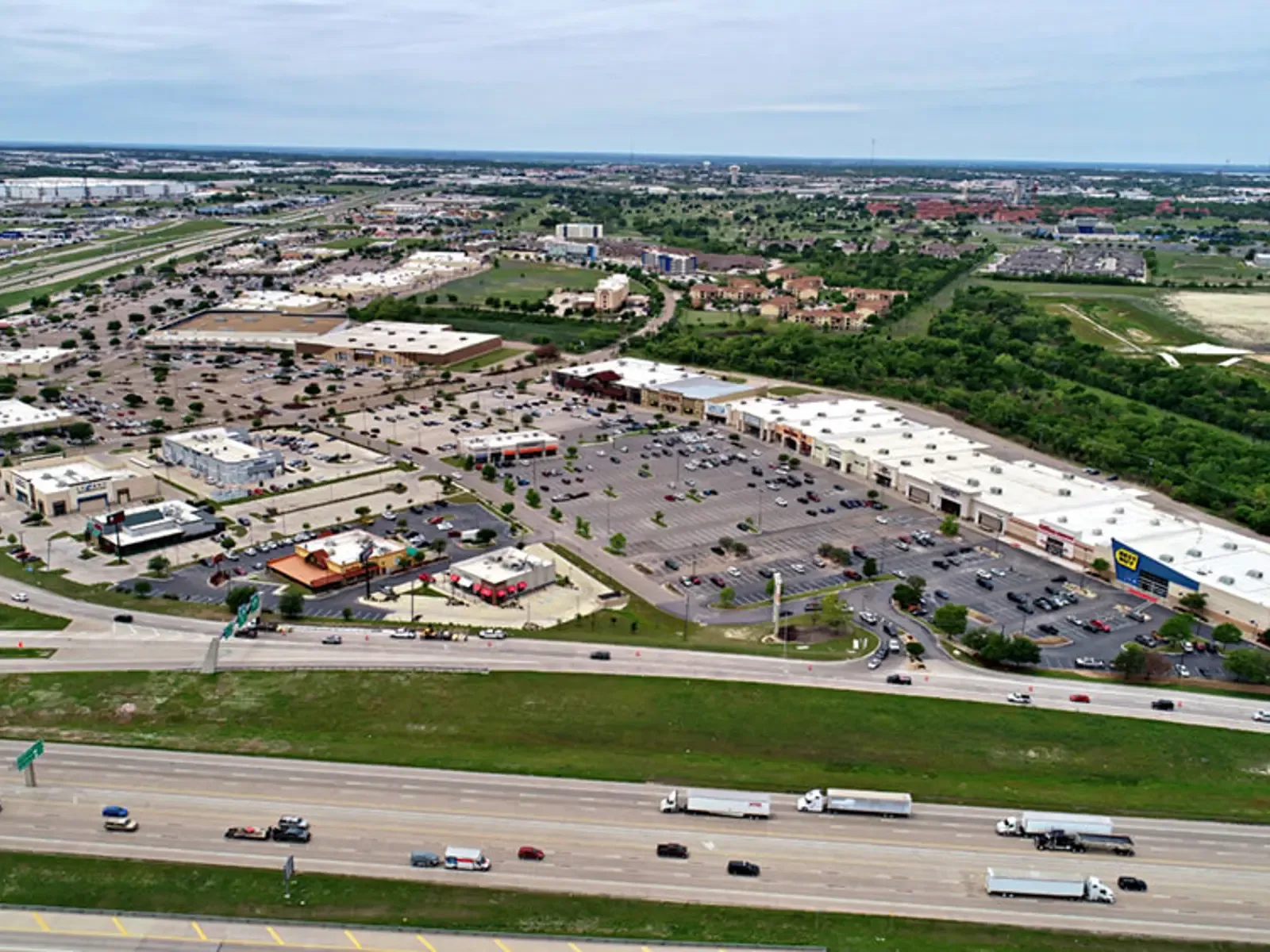
Retail stores in power centers and neighborhood centers, which Pembroke Pines reports at more than 8 million square feet of retail space across its 34 square miles, often sit under roofs that the landlord controls and many tenants share. Water from one roof section can drain across another, and a clogged scupper at one end can load the membrane near a tenant at the other. We map drains and canopies, photograph ponding depth after rain and mark which tenant sits below each zone. The map settles questions about where water comes from and who should clear what, and it gives the brand evidence to send to the landlord. Shopping center roofing and restaurant roofing work on the same principle.
Remodels, rebrands and rooftop changes
Chains remodel on a cycle, and each remodel changes the roof. A new kitchen line adds an exhaust, a drive-through adds a canopy, a refrigeration upgrade adds a condenser, and a rebrand adds signage that needs brackets. Every one of those is a penetration or a load, and a remodel schedule that ignores the roof leaves a new leak behind. We review the remodel drawings for rooftop changes, specify the flashing and support details before the openings are cut, and walk the roof afterward to photograph the finished work. The record shows which penetrations are new, which contractor made them and how they were flashed, which prevents the long chain of unmapped openings that makes an older store roof hard to price.
When a landlord controls the roof, the brand needs the landlord's consent to make openings, and the lease may require a specific contractor or a specific detail. We ask for those requirements before work begins and keep the approvals in the store file. Brands with leased stores often work through property management companies, and a shared record keeps the three parties aligned.
For stores that are closing, converting or being sold, the roof file also supports the exit: a dated condition record fixes what the roof looked like at handover and limits later disputes about restoration obligations.
Older strip stock and newer centers
Oakland Park's study of its west Oakland Park Boulevard corridor reports that much of the stock was developed from the late 1960s through the early 1980s and is older strip-mall retail, while Hallandale Beach's master plan describes much of Gateway East as one-story buildings set behind surface parking and identifies the highest commercial density along East Hallandale Beach Boulevard. Lauderdale Lakes is planning a Town Center around State Road 7 and Oakland Park Boulevard, and Aventura lists retail among its major economic drivers. These are planning descriptions of areas, not of any roof. They remind a brand that store roofs may differ widely in age and assembly even within one corridor, so each store is inspected on its own evidence. Stores on the Pines Boulevard corridor and in Hallandale Beach are examples.
After-hours work and holiday blackouts
Retail and restaurant roofs are worked outside trading hours when possible. We schedule loud steps before opening or after closing, avoid delivery windows, and respect holiday and event blackouts that the brand supplies. Event days in Downtown Hollywood can close Hollywood Boulevard between US-1 and 21st Avenue to normal use, so we check the event calendar before fixing dates. A leak during service gets temporary protection first, and the permanent repair is booked for a quieter window; crews answering emergency roof repair calls are available at any hour.
Drive-through lanes, patios and queue lines are protected from overhead work, and signs are posted in advance. Crane picks are timed away from lunch and dinner rushes.
A program the brand can budget
A roof program for a chain has three layers: routine maintenance visits that clear drains and photograph conditions, a repair list that bundles similar items across stores, and a capital plan that replaces roofs in order of need. Multi-site roof programs organize the three, and the records feed budget cycles. Permit records for each Hollywood store, issued through the Building Division under the 2023 Florida Building Code, are kept with the photographs. Brands that also own hotels or large venues will find parallels with the guidance for hospitality groups.