Need this roof reviewed?
Plan municipal and government roof repair in Hollywood, FL, with permit coordination, public-access protection and documented drainage and flashing work.
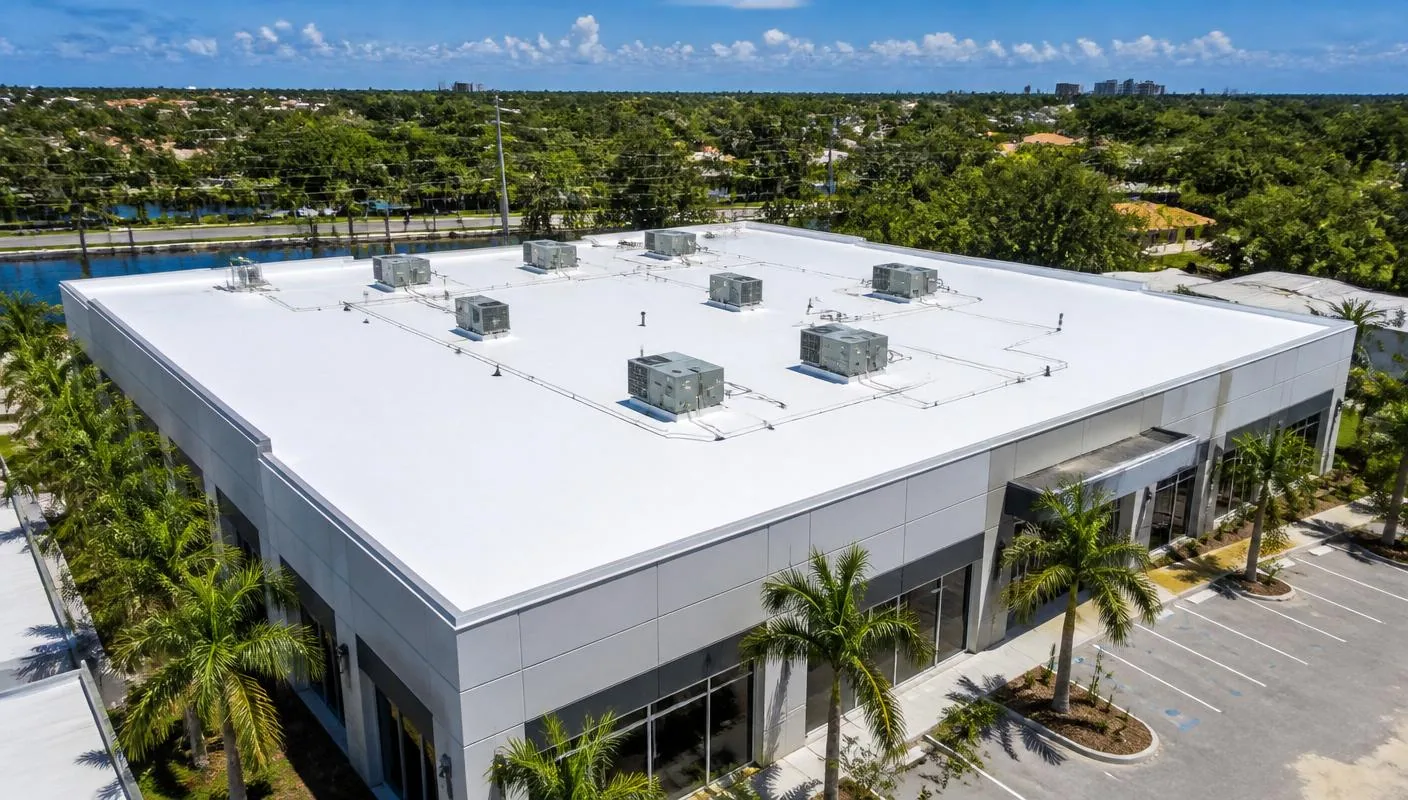
A roof opening above a public counter changes access before it changes the repair scope. Government buildings need a documented work boundary, safe public routes and coordination with the staff responsible for approvals. In Hollywood, FL, the Building Division enforces the Florida Building Code and city ordinances, and staff review plans and inspect construction methods and materials. We connect the roof findings to that project process, identifying the water path, removal limit and questions that need review before work proceeds.
Coordinate the roof scope with review
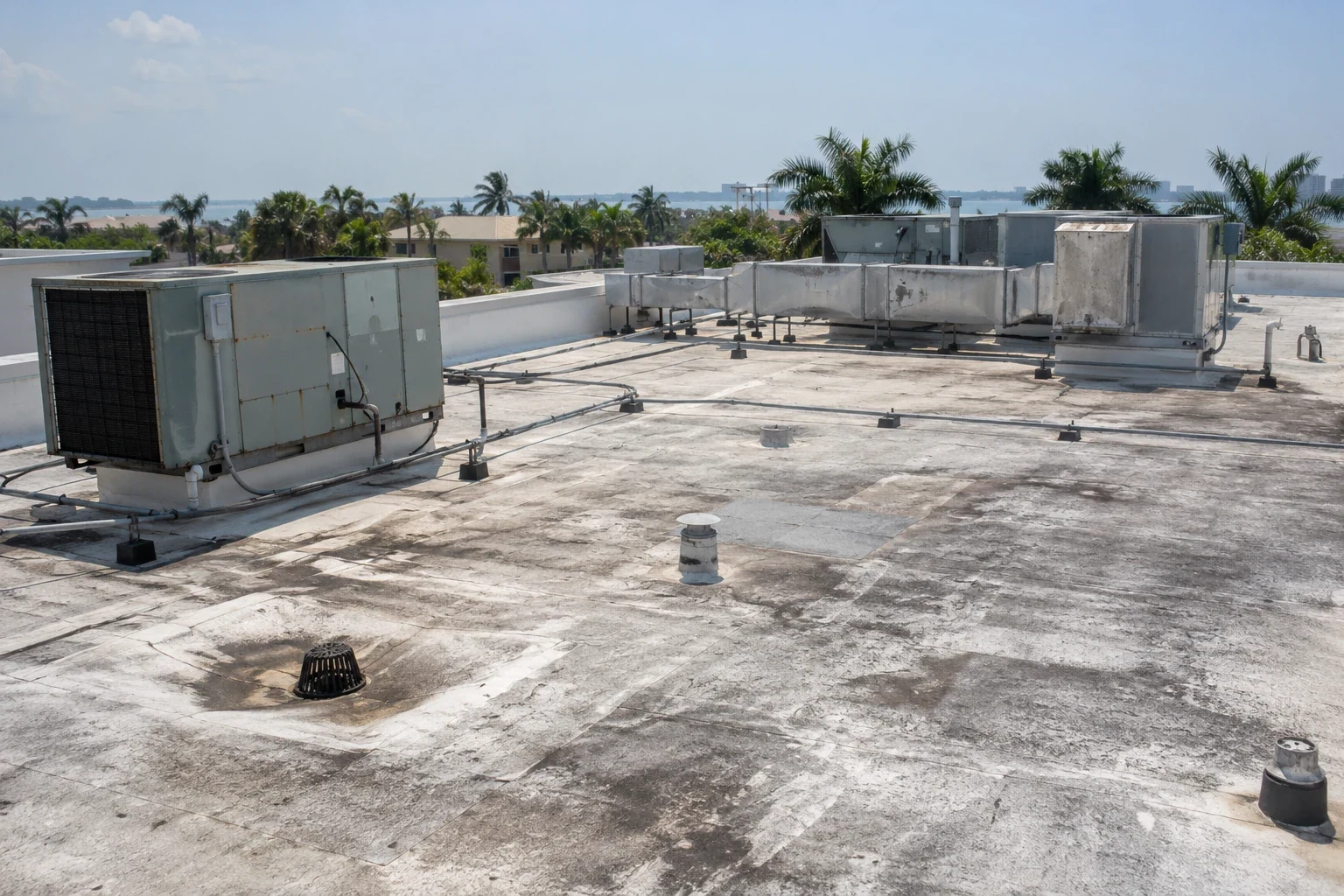
Municipal work often requires a clear record of existing conditions, proposed materials and construction sequence. We document the roof assembly, locations of leaks, drains and penetrations, then state the repair or replacement scope in terms that can be reviewed. Hollywood's building staff inspect construction for applicable code compliance, so the project team can use the roof package to coordinate its permit materials and inspection access.
Permit review does not diagnose hidden moisture or establish that the existing assembly can remain. We use selective openings where the roof survey leaves a question about insulation, deck or attachment. Each opening is photographed and closed with a defined temporary or permanent detail. We note the roof area and work date so facilities staff can match the record to the permit inspection and later service history. A roof inspection can set the baseline, while a condition report organizes photographs and findings for facilities staff and project reviewers.
Keep public routes available
Entrances, public counters, meeting rooms and emergency routes shape daily phasing. We identify where lifts and material can be staged without blocking a required path. The manager receives the work map, expected noise periods and any short access limits before the crew arrives. We confirm how staff will direct visitors around a lift or protected entrance, and who can authorize an adjustment if a public meeting runs late. If work sits over a public service area, temporary protection and the daily closure plan are confirmed before membrane removal.
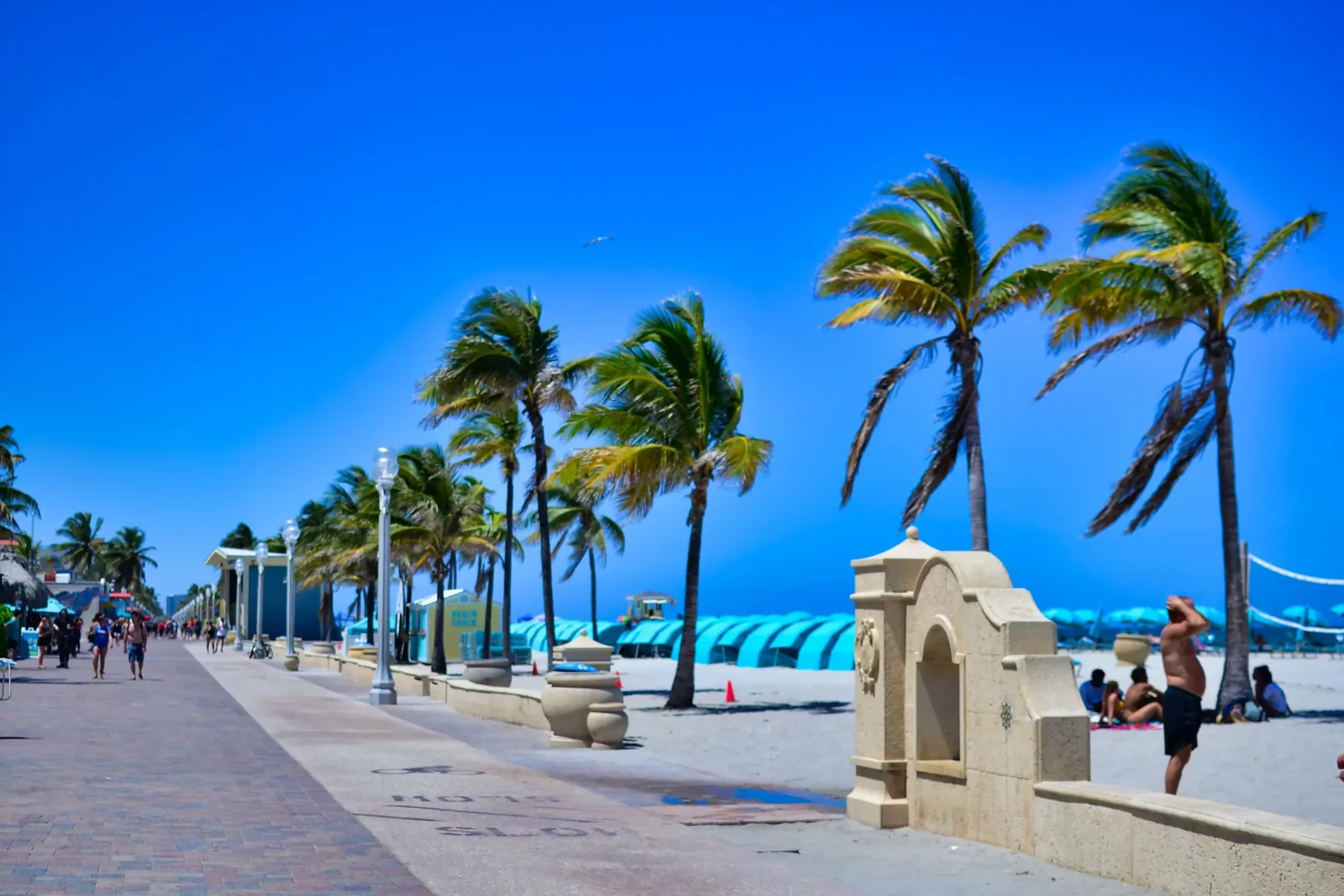
Hollywood's 2026 business guide notes that Downtown event closures along Hollywood Boulevard can affect employee access, deliveries and parking. A government building in that area may have separate public-service hours, so the site contact confirms current restrictions rather than relying on a general calendar. A Downtown Hollywood work plan can account for access logistics while the roof findings remain specific to the property.
Document drainage and flood context
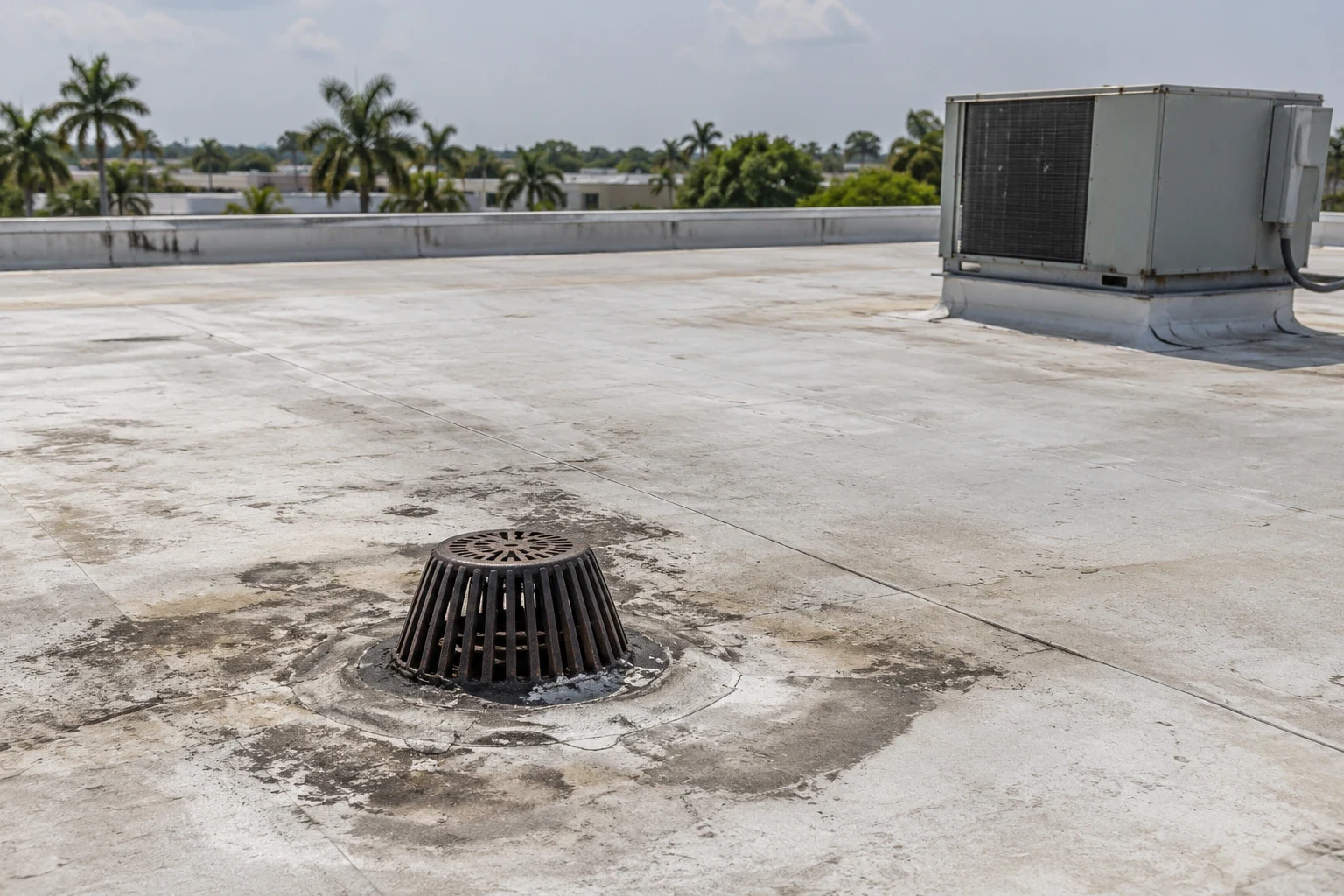
We inspect drains, scuppers, overflows and roof slopes to determine where water moves and where it collects. A blocked outlet may need cleaning, while a low roof plane or failed transition can require a larger correction. The report records the condition at each outlet and shows whether adjacent seams, curbs or parapets interrupt the drainage path.
The city models rainfall and tides together in its stormwater program and highlights eastern areas for flood-map review. Flood designation belongs to the parcel and is settled through map review, so we record the roof's drainage observations separately from parcel elevation requirements and coordinate map questions with the owner and design team. The drain and scupper scope can define outlet work, and a municipal building in the Historic Hollywood district gets the same outlet-by-outlet record.
Match materials to the approved assembly
The Florida Building Commission identifies the 8th Edition (2023) of the Florida Building Code as effective from December 31, 2023. The applicable requirements for a project depend on its scope and permit review. We describe the proposed assembly, attachment and flashing details for the project team to evaluate, without treating a product choice as proof of compliance by itself.
Roof replacement should account for deck, insulation, drainage elevations, edges and equipment supports. If the assembly is dry and secure, a recover may be reviewed; if wet material or a damaged deck is found, removal may be needed. TPO roofing and other membrane systems have distinct seam and attachment requirements. The proposal identifies which layers remain and which are removed so the reviewer can follow the construction intent.
Separate allowance from confirmed scope
Public projects benefit from a scope that separates measured conditions from assumptions. We list the roof area inspected, access limits, repair quantities and any material that needs confirmation after opening. Deck repairs, edge metal, drainage changes and equipment transitions can affect cost. Where those conditions are concealed, the proposal defines an approval point and supporting documentation before the work expands. That keeps a repair change tied to a photographed location, measured quantity and clear reason rather than a broad field instruction.
Work can be divided by building area or public-service need when temporary tie-ins can maintain a weather-tight roof. An overlay review compares retention with removal, and a replacement package identifies the full scope when an assembly no longer supports repair. Owners can also evaluate specific properties such as community assembly buildings and senior-care facilities under their own access and occupancy requirements.
Leave inspection points visible
Closeout records should identify installed materials, photographs of details, approved changes and the locations of drains and penetrations. We keep the completed work connected to the roof plan so facilities staff can inspect the same areas later. If a final city inspection or follow-up test is part of the project, we coordinate access and leave the roof safe and closed while that step is scheduled.
After a storm or future trade visit, compare new conditions with the closeout record. Around-the-clock response is available every day, including holidays, when a leak needs immediate protection. Share the roof plans, permit schedule and current symptoms. We will document the assembly, coordinate the work boundary and identify the next decision for the public building. If the inspection finds a condition outside the approved scope, we will pause that area and provide the owner with photographs and a reviewable correction before proceeding.

