Need this roof reviewed?
Plan big-box roof repairs in Hollywood, FL around wide roof fields, loading access and customer operations. Get findings before repair or replacement.
A wide retail roof can hide a small entry point under a long drainage path. Water may collect well away from the seam, curb or drain that first opened, so a leak above sales floor or stock space needs a mapped inspection rather than a patch placed over the ceiling mark. Hollywood, FL sees heavy rain in June and September, which can test outlets and transitions through repeated wet periods. Across nearby Pembroke Pines, the city describes a broad retail base that includes power centers and neighborhood shopping centers. We inspect each roof section, note the access route and show ownership what is confirmed before setting a repair boundary.
Map the broad field and its interruptions
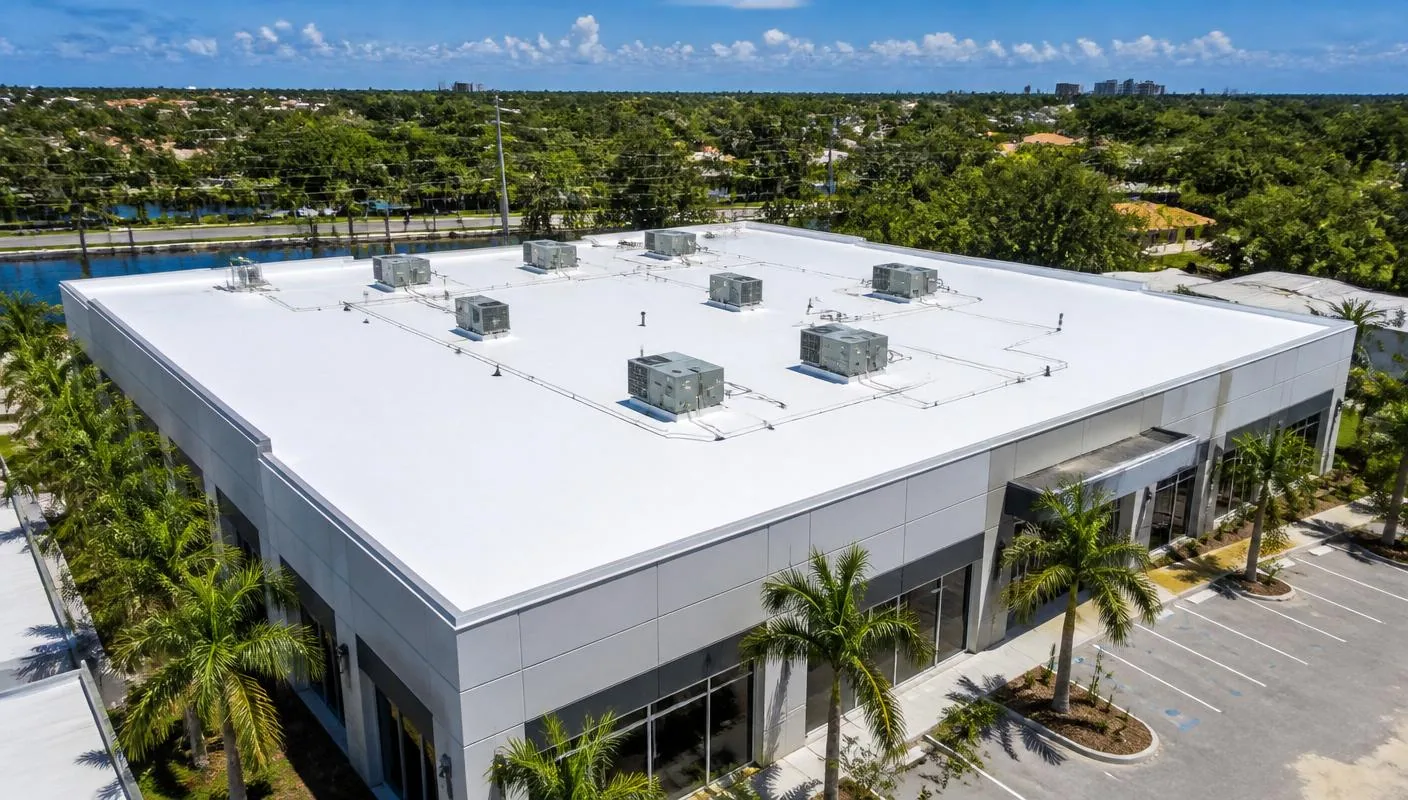
Large roof areas may contain long membrane runs broken by skylights, rooftop units, smoke vents, sign supports, curbs and expansion joints. We map these interruptions against drains and interior reports. A stain near a department boundary can have a water path that crosses structural bays, and a roof plan helps the property team connect the reported room with the surface above. We record the location, condition and any limitation that prevents confirmation.
At each penetration, we check the flashing transition, fastening, seal and movement at the curb or support. We compare a detail that has opened with surrounding material to see whether the repair can stop at a sound boundary. If different roof assemblies meet, we identify each side before choosing a compatible membrane repair. A commercial roof inspection gives the manager a section-by-section record, and a moisture survey can select candidate areas for direct testing.
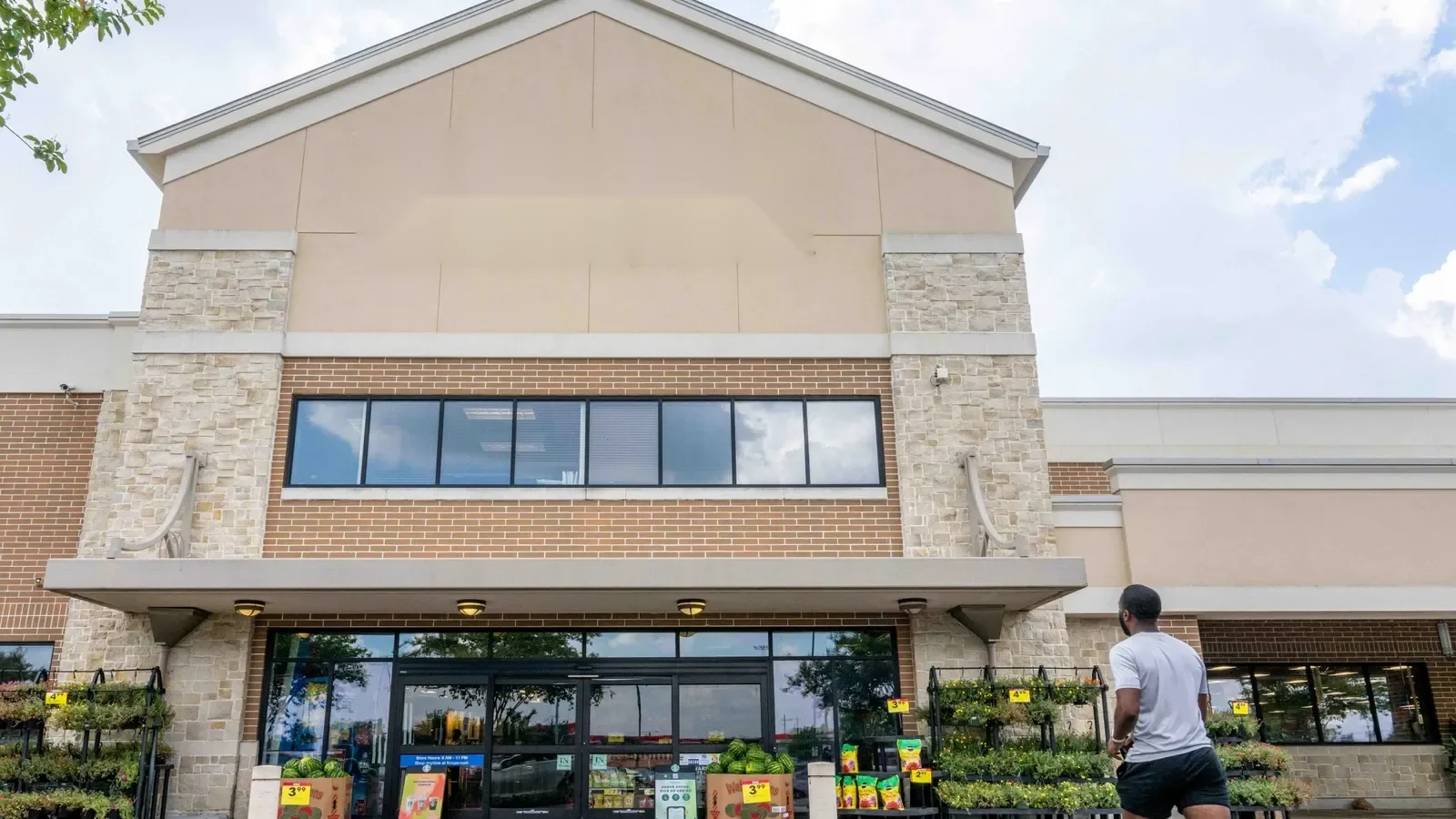
Big-box buildings and enclosed shopping centers may share a manager but differ in loading, equipment and roof access. A shopping center roof adds shared tenant interfaces, and a grocery store adds refrigeration plant and service demands. We still verify the specific building instead of assuming that a retail label identifies its roof construction.
Follow the drainage plane across long runs
Hollywood’s June and September precipitation normals each exceed eight inches. For a large retail roof, that makes outlet performance and overflow paths worth checking before a wet stretch. We inspect drain bowls, strainers, scuppers, nearby seams and the slope that guides water to each opening. A clear drain can still sit in a low area where settlement or a previous repair changed the flow. When the outlet contributes to the problem, drain and scupper work belongs in the scope alongside any membrane repair.
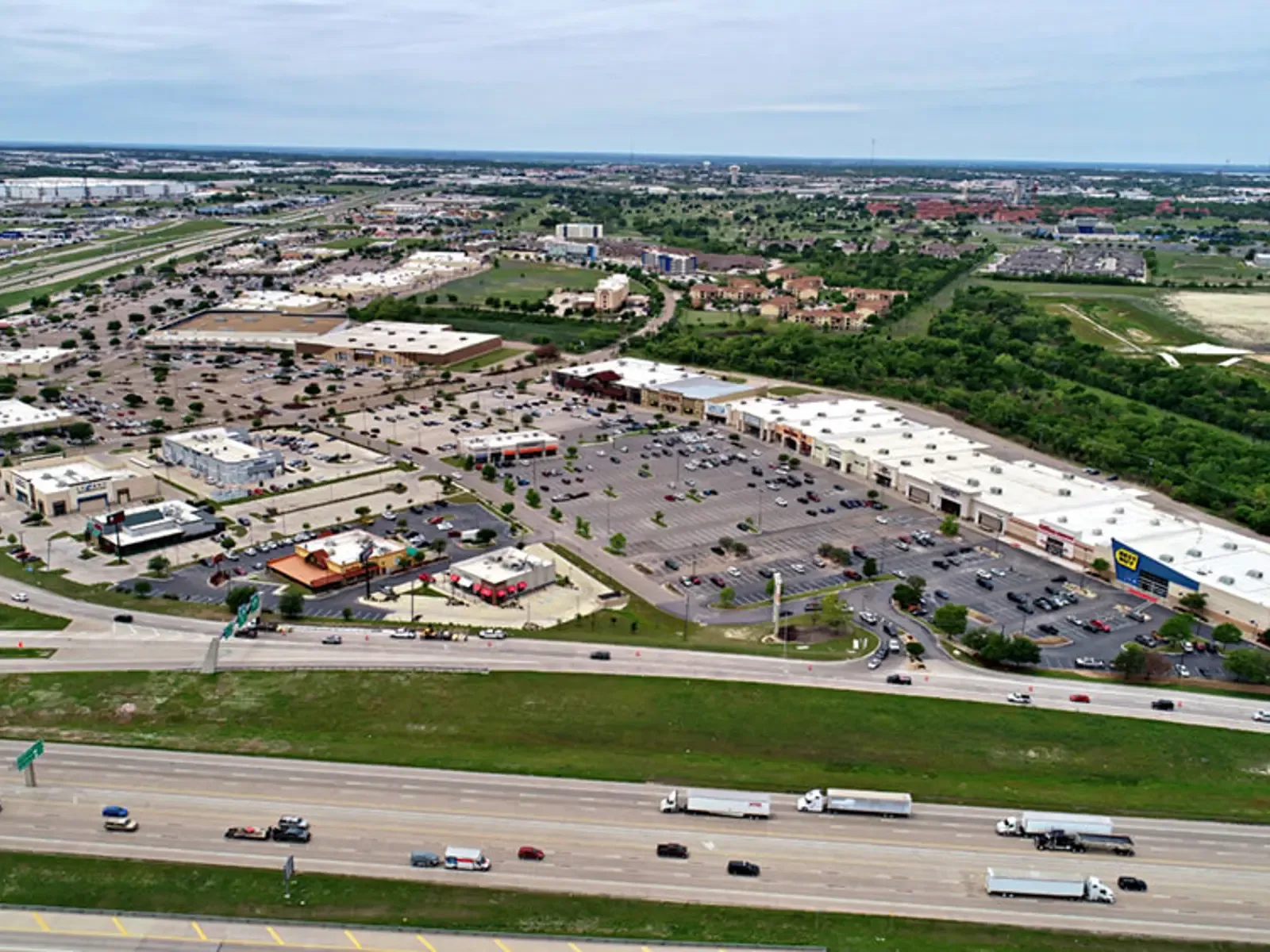
Pembroke Pines reports more than eight million square feet of retail space across the city, including power centers and neighborhood shopping centers. For the property manager, it is a reminder to keep building-specific roof records when several retail assets share a budget. We map each building’s drainage, wet areas and repair history so the portfolio does not turn a citywide number into an assumption about a particular property.
Flood exposure below grade and water entry through the roof are separate questions. Hollywood’s citywide assessment considers tidal flooding, storm surge and compound flooding. If ownership is reviewing parcel exposure, that work should stay distinct from roof inspection. A roof report can still show whether drains discharge freely, whether overflow routes remain clear and whether water reaches vulnerable edges or penetrations during rain.
Keep loading and customer paths open
Roof access usually shares space with receiving, waste handling, emergency routes or customer parking. Before mobilization, we confirm lift placement, staging, material movement and any temporary barriers with the property contact. Work above a loading door may require a different sequence from a field repair far from the service edge. The schedule should identify affected routes and the handoff condition at the end of each shift, especially when the store remains open.
Pines Boulevard carries most of Pembroke Pines’ commercial development, according to the city’s building and business profile. Where a retail asset sits within that corridor, access timing can affect deliveries and service routes. We verify the actual property entrance and work zone rather than infer logistics from the city pattern. A retail asset on the Pines Boulevard corridor, or one near the Johnson Street district in Hollywood, gets its delivery coordination confirmed with the property contact.
Interior protection may also require moving stock, shielding equipment or keeping a tenant away from a work zone. We agree on a contact for field decisions and document when temporary protection gives way to permanent repair. If multiple roof sections are involved, we separate their routes and work windows so a completed area is not confused with a section that remains open for testing.
Compare the repair with the larger roof decision
A localized patch fits when the defect is defined, the substrate is sound and the repair can bond to compatible material. Repeated seam openings, widespread wet insulation, weak attachment or deck deterioration may change the recommendation. We inspect the surrounding field and define what testing could alter the quantity before broad removal is priced. A ponding-water assessment can help distinguish a drainage correction from a membrane problem when standing water is part of the report.
Replacement or recover options depend on the roof layers, attachment, moisture, deck condition and current code review. A large roof area does not make recover appropriate by itself. We verify the assembly, map confirmed wet areas and state where assumptions remain. The owner can then compare a targeted repair, phased work or a broader replacement scope without treating an unresolved test area as a known quantity. A replacement evaluation should explain how access, removal and temporary dry-in affect operations.
Cost and timing respond to material type, number of curbs and transitions, insulation, edge work, lift access and store schedule. We can separate confirmed line items from allowances for concealed conditions. A photo condition report retains the marked areas and evidence, while keeping the next budget decision tied to the roof findings rather than a generic retail allowance.
Carry the roof history from one visit to the next
Closeout should identify the repair location, materials, preparation, photographs and any area not opened or tested. Store the record with roof plans, leak logs, drain cleaning and equipment work. When a later report comes from another tenant or department, the manager can compare it with the documented water path. A recurring symptom may justify a wider inspection, while a separate area can be evaluated on its own evidence.
The Johnson Street Business District extends from 56th Avenue to US-441. For retail managers operating across Hollywood and Pembroke Pines, we keep the same record structure for each asset: observed conditions, work performed, and the open question, if one remains.
Send the roof plan, recent leak reports and delivery constraints before arranging a walk. We will inspect the field and transitions, explain the repair boundary, and provide a scope that keeps customer and loading operations in view.
Related Roofing Topics

