Need this roof reviewed?
Storm and loss roof documentation for insurance adjusters and restoration teams in Hollywood, FL: emergency dry-in, evidence capture, scopes and repair records.
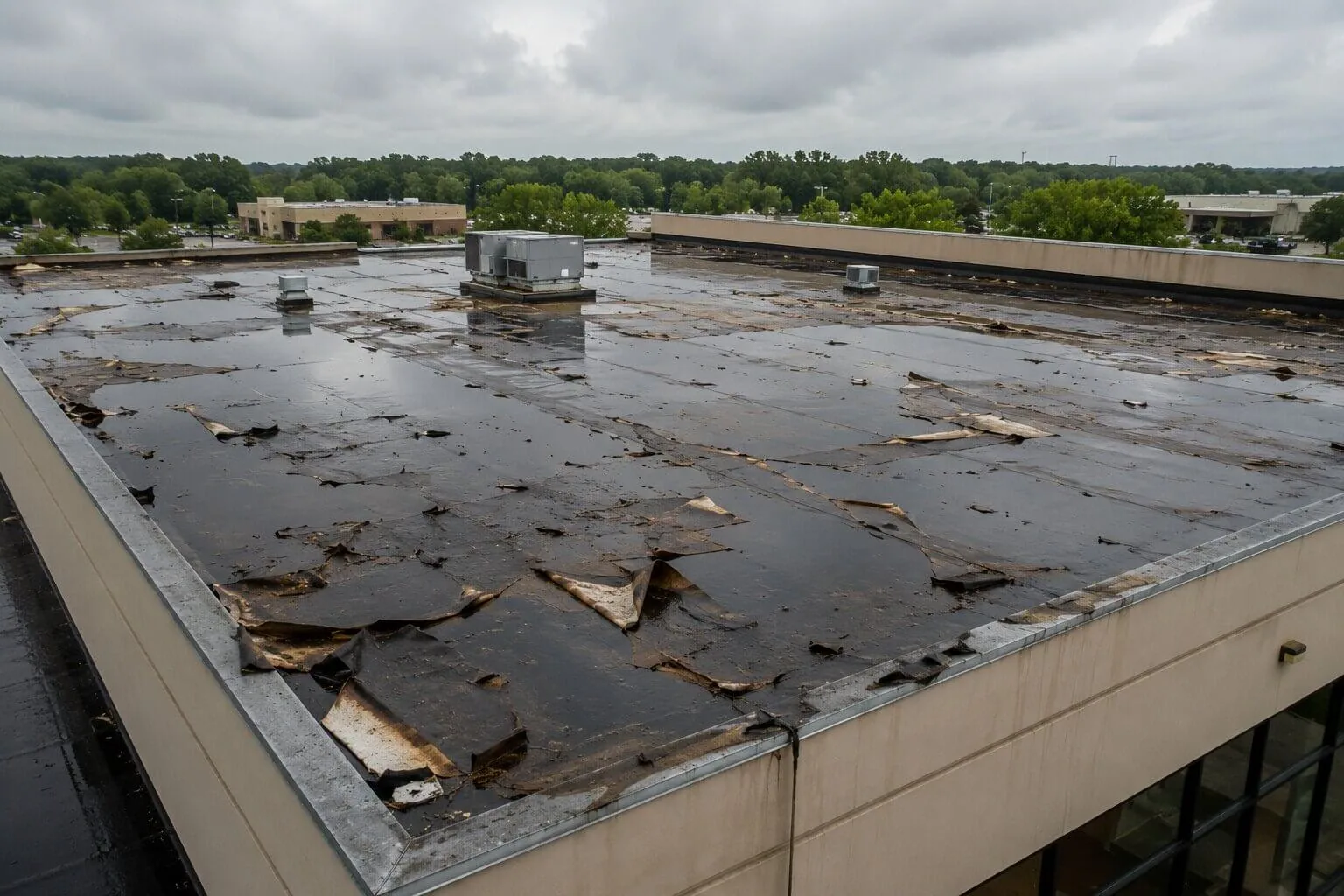
After a storm, the roof holds two stories at once: what the weather did on one day and what the weather had been doing for years, and a claim depends on telling them apart. Commercial Roofers Hollywood supports insurance adjusters, public adjusters, restoration contractors and building owners with roof documentation, emergency dry-in and repair scopes in Hollywood, FL. The work is physical and evidentiary: lifted edge metal, creased membrane, displaced cap sheets, debris impact marks, wet insulation and drainage defects, each photographed in place, located on a plan and described by what it shows and what it does not.
Evidence before cleanup
The first hours after a loss decide how good the record is. Debris is moved, tarps go on and standing water drains, and each change removes evidence. We photograph before disturbing anything: the roof surface in zones, edges and corners, penetrations, drains and the direction of displaced material. We note wind direction if known, the location of debris and any impact marks, and we mark moisture readings taken at suspect areas. Interior photographs of ceilings and floors are matched to roof zones. Everything is dated and located, so the adjuster can compare roof evidence with interior damage and with the event.
Emergency dry-in and mitigation
Mitigation is part of the claim, and the roof has to be protected from further damage. Temporary protection goes on first: tarps secured to the deck or to a sound surface, sealed patches over punctures, temporary flashing at openings and covers on exposed equipment. We label it temporary in the work order with photographs and a revisit condition, and we keep the permanent repair as a separate item. Emergency roof repair runs around the clock, and the first visit documents the condition before and after protection so the file is complete. Restoration contractors drying the interior receive the roof-side findings so their moisture readings can be read in context.
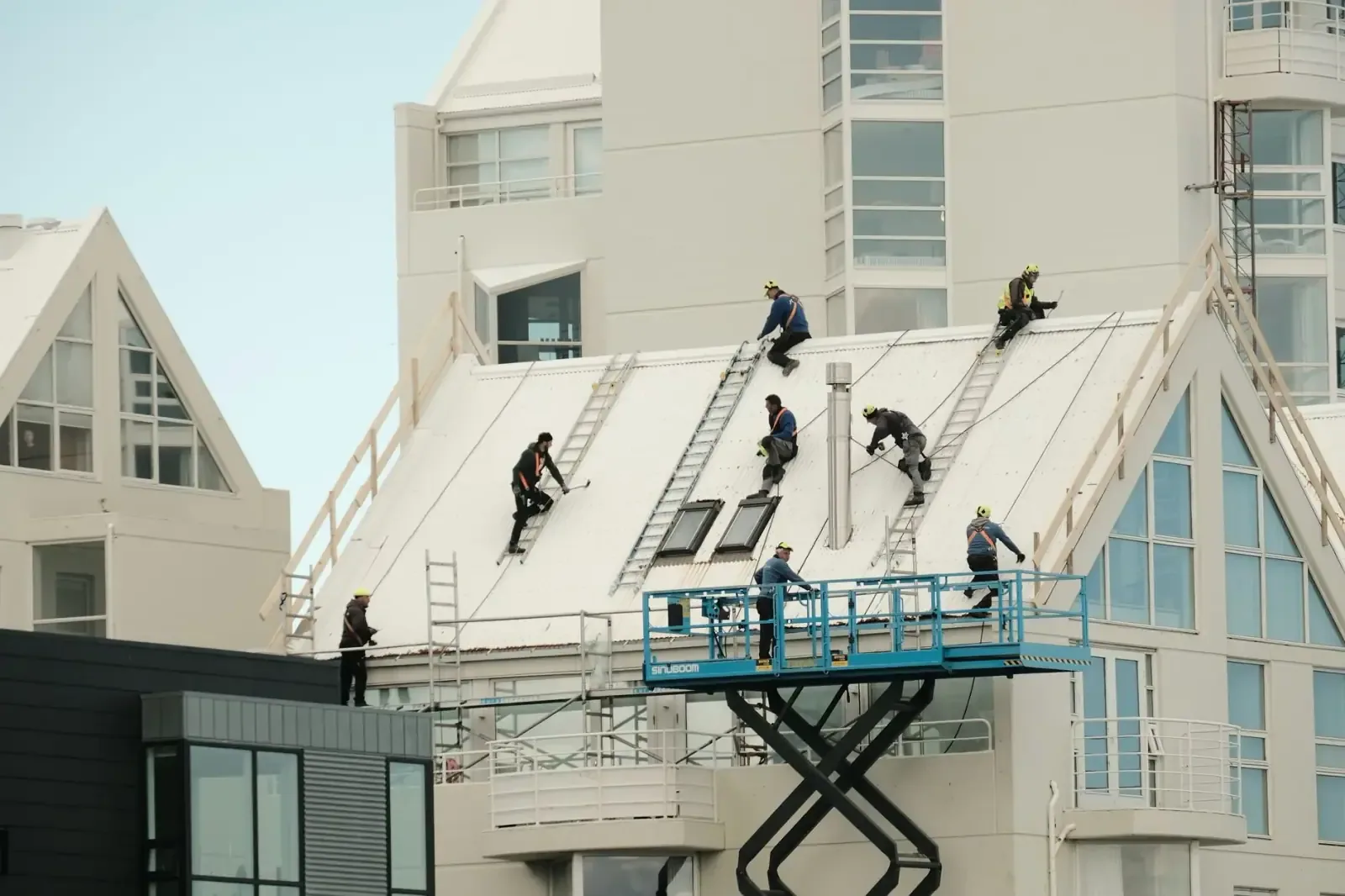
Safety comes first on a storm-damaged roof. Decks can be weakened by wet insulation or impact, edges can be loose, and electrical lines may be down. We inspect from the edge or by drone when the surface is unsafe, and we record which areas were not reached.
Pre-loss baseline and wear
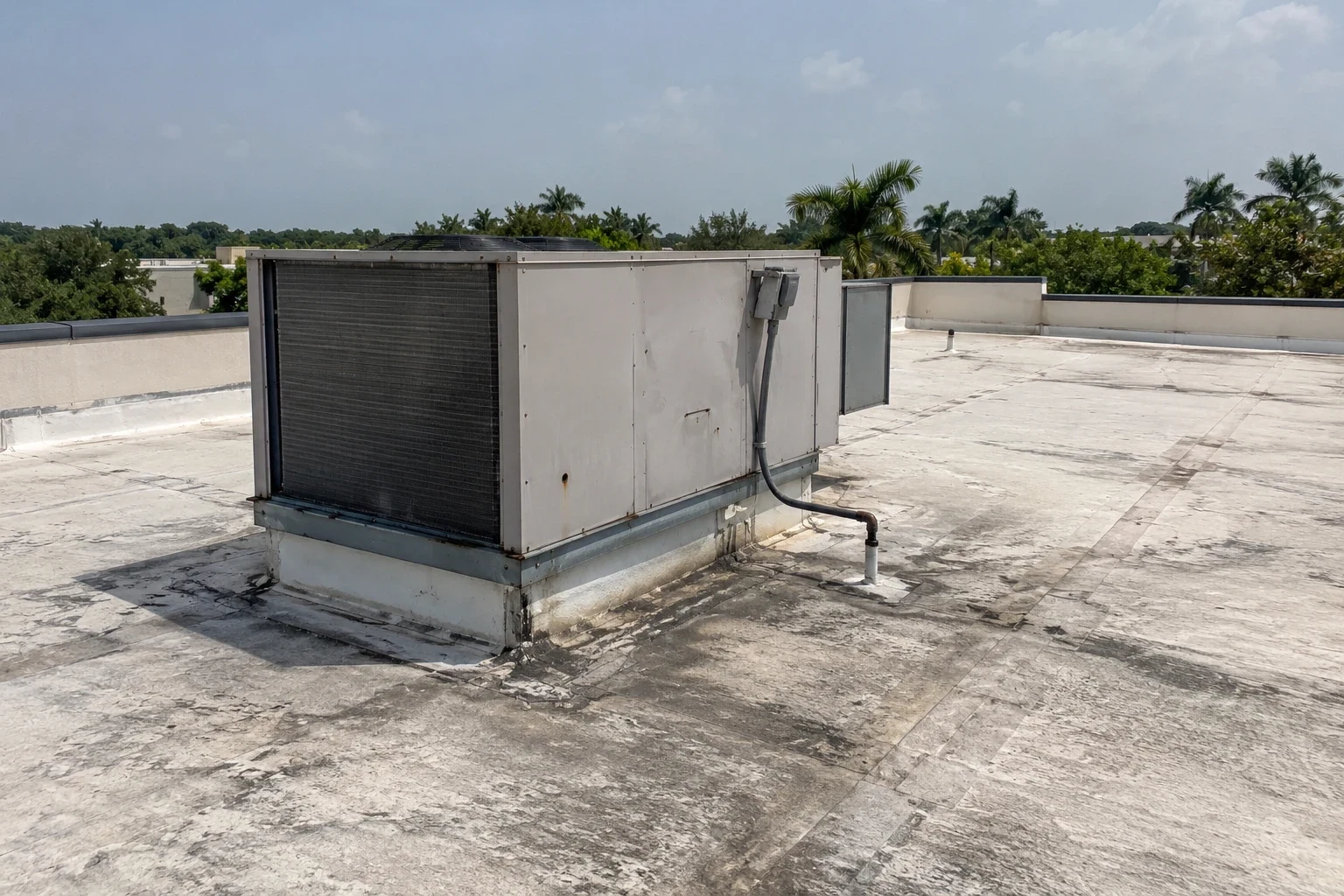
The question every adjuster asks is what changed. A dated baseline from a prior inspection answers it directly, and where none exists we reconstruct from what the roof shows: layered repairs, aged sealant, weathered surface, previous patches and signs of long-term ponding. A 76.1°F annual mean and 89.9°F August highs mean heat aging is expected on every Hollywood roof, and the report distinguishes it from storm damage. The roof report states findings and their limits. Coverage decisions belong to the insurer, and our job is to make the physical record clear. Owners who want a baseline before any event can use roof insurance claim assistance to build one.
Scope, pricing and code context
A repair scope for a claim separates damaged areas from areas of existing wear, measures each by zone and prices them in a way an adjuster can audit: area, system, attachment, flashing, edge metal, drainage changes and access. Permit requirements and any code-driven work are identified in the scope, because Hollywood's Building Division reviews repairs against the 2023 Florida Building Code. Sites in a FEMA Special Flood Hazard Area can face local flood-elevation rules that affect equipment placement. Items that are code-driven or discovered during repair are priced as separate lines so the claim file shows why they exist.
Unit prices for insulation replacement, deck repair and flashing rebuilds, tied to measured areas, let the adjuster and the owner agree on quantities quickly once the roof is open.
Wind, hail and flood evidence
Mid-May through early July is the weather service's stormiest phase for South Florida, and wind, tornado, lightning, hail and flood reports cluster there; the city's vulnerability assessment adds storm surge, tidal flooding and compound flooding. Each leaves its own marks. Wind lifts edges and tears flashings, hail leaves bruises and fractures in specific patterns, tornado damage shows debris impact and uplift, and flooding affects ground-level and below-grade spaces more than the roof. We report what the roof shows and leave coverage categories to the adjuster. Marks from wind damage and hail damage look different on the same membrane, and the report names which pattern it sees.
Different districts, different access and exposure
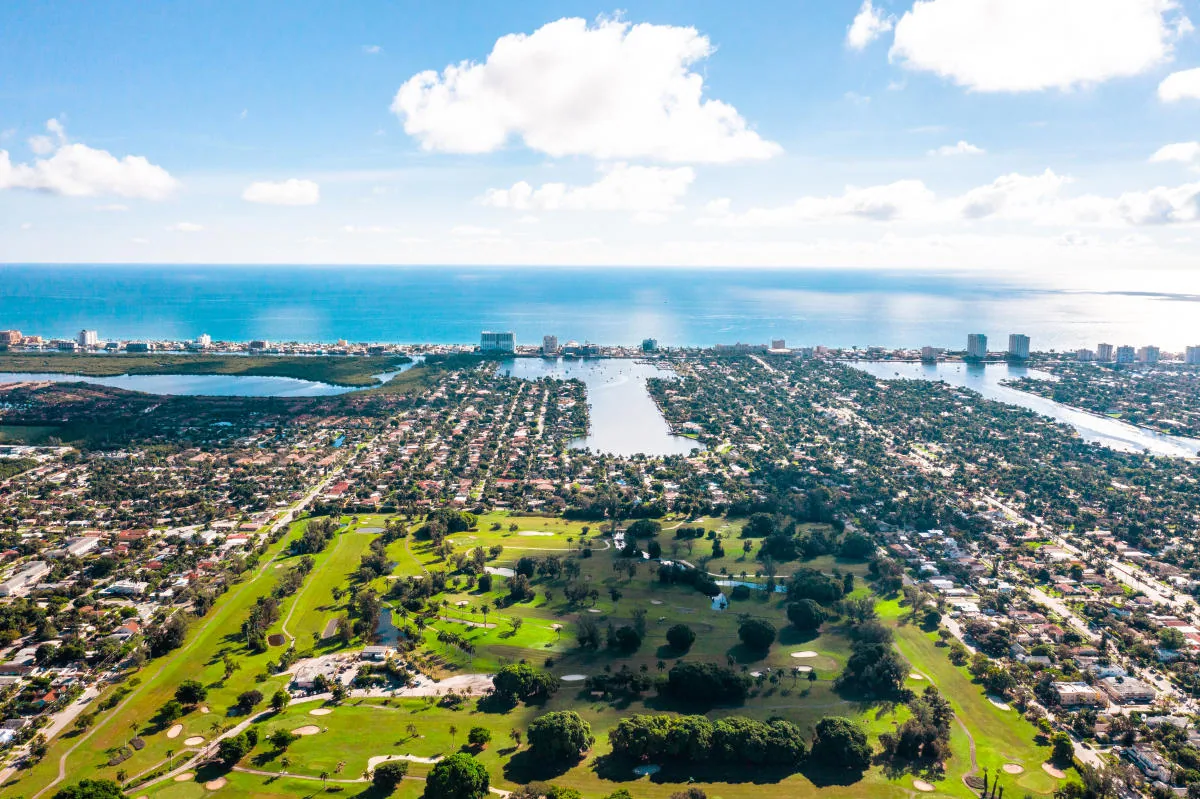
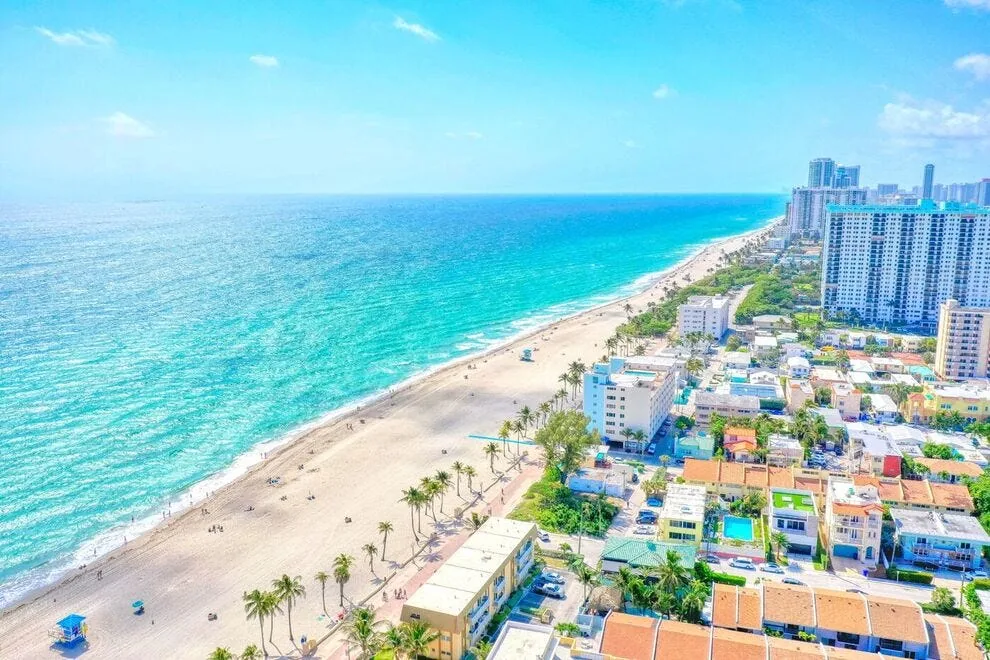
Claims arrive from every part of the city, and the setting changes the work. Flood-map review in Hollywood gives extra weight to the eastern part of the city, including areas east of US-1, which matters for equipment placement and interior protection at Hollywood Beach properties and others near the water. Downtown Hollywood's event area can limit deliveries and parking at the wrong moment, so a tarp crew or a crane needs a street plan, and Downtown Hollywood claims start with that plan. The historic business district around Young Circle and the Johnson Street corridor toward US-441 raise their own access questions.
After a widespread event, demand for crews, tarps and materials spikes, and the order of work matters. We rank properties by water entry risk: open roofs and active leaks first, then roofs with exposed insulation, then roofs with edge or flashing damage that will worsen in the next rain. The ranking is written down and shared with the adjuster and the owner, so everyone understands why one building was protected before another.
The adjuster walk and the repair record
When an adjuster walks the roof, we bring the plan, the photographs and the moisture readings, and we mark disputed items for a second look. After the walk, the report lists agreed items, open items and items needing testing, such as a core sample or an infrared scan. When repairs are complete, the closeout adds photographs of finished work, product data, permits and a drawing of repair areas, which together close the claim file. Restoration contractors and general contractors working on the same property receive the same record, and owners who manage several buildings can share it with their property management companies.
Disagreements tend to center on whether a stained area is wet, whether a lifted seam is new, or whether an older patch failed or was damaged. A moisture reading, a close-up photograph with a scale and a note of the surrounding condition settle most of them without further argument.
Photographs are exchanged in the original file format with their dates, so reviewers can open them in any viewer.