Need this roof reviewed?
Standing seam metal roof inspection, repair, and replacement in Hollywood, FL, covering clips, seams, trim fasteners, finish condition, and wind and rain.
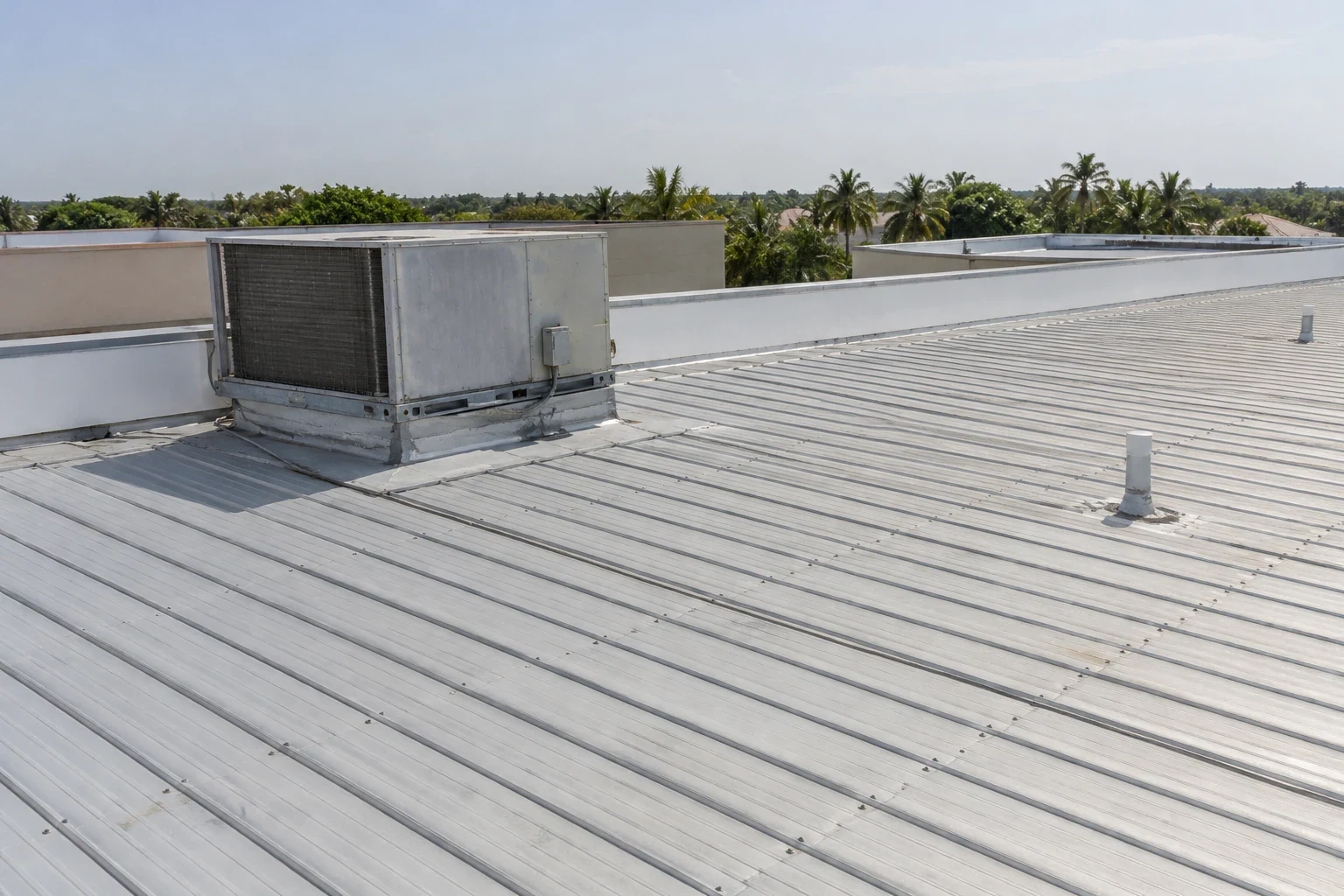
A metal panel expands in the afternoon and shrinks at night, and on a standing seam roof the clips beneath it are what let that happen without tearing anything. When a clip binds, the panel buckles, a seam opens or a fastener at the trim starts to leak. Hollywood, FL has the heat to move metal every day and the rainfall to find any gap it opens. We begin on the roof, not in the brochure: panel by panel, seam by seam, with attention to the places where metal meets something that does not move the same way. The record that results names the location, the probable moisture route and the next practical step for each finding.
Panel movement and clip function
Standing seam panels are held by concealed clips that slide, so the panel can move along its length while the clip stays fixed. When the arrangement works, the roof has no exposed fasteners in the field and the seams stand above the water line. When it does not, the evidence shows up as oil canning, buckled panels, scuffed paint at clip lines or seams that have pulled apart.
At the NOAA Hollywood station the August daily high averages 89.9°F, and metal in full sun runs far hotter than the air. That is thermal movement we expect and plan for, so the question is whether the panel has room to move. We look for obstructions at ridge, eave and penetrations, because a panel pinned at both ends will buckle in the middle.
Long panels move more than short ones, and a run that crosses an expansion joint in the structure needs a matching joint in the roof. We check that every such joint is respected.
Seams, closures, and sealant
The seam is the weather line. A mechanically seamed panel is crimped over its neighbor, and a snap-lock panel is pressed together. Either can open if the panel moves unevenly or if a seamer was not run correctly during installation. Sealant in the seam adds a second barrier, and it dries with age.
We walk each seam, looking for daylight, deformation and staining, and we run a hand along the standing rib to feel for gaps. At ridge and hip, closures and cap pieces are checked for fit. At end laps, where panels overlap along their length, sealant condition and fastener spacing matter. A small open seam is repaired by re-crimping or re-sealing, and the repair is recorded at its location so it can be rechecked after the next major rain.
Panel profile matters at laps. A lap sealed with the wrong tape or sealant can look fine and still fail at the first sustained rain, so we confirm the product is intended for the profile.
Fasteners at trim, flashings, and penetrations
The field of a standing seam roof may be free of exposed fasteners, but the edges and penetrations are not. Trim at eaves, rakes and walls is often fastened through the face, and pipes, vents and rooftop units have flashings and collars that rely on sealant. Those are the details where leaks most often begin.
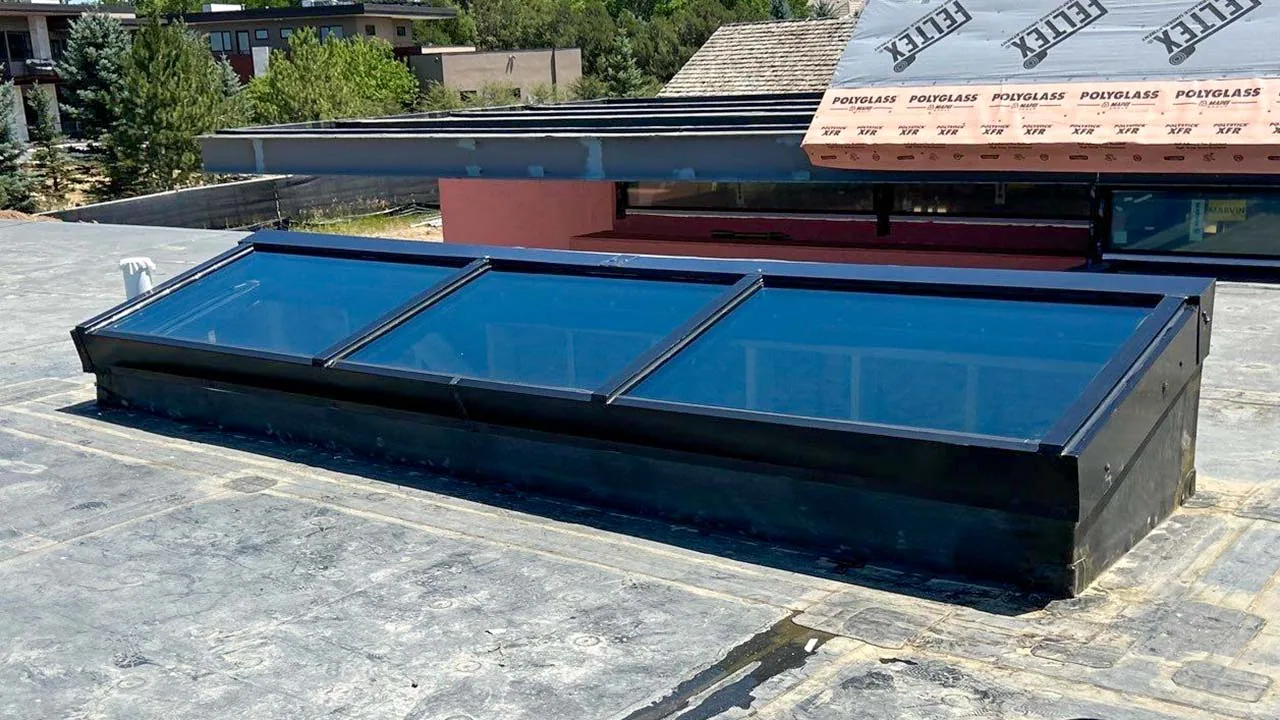
We check each fastener for backing out, corrosion and a washer that has hardened, and each collar for cracked sealant. A penetration or skylight flashing that has pulled away from the panel gets a closer look, because water running down a panel concentrates at any obstruction. Where a penetration was added after installation, we confirm it was flashed to the panel profile and not simply caulked.
Finish condition and the coastal setting
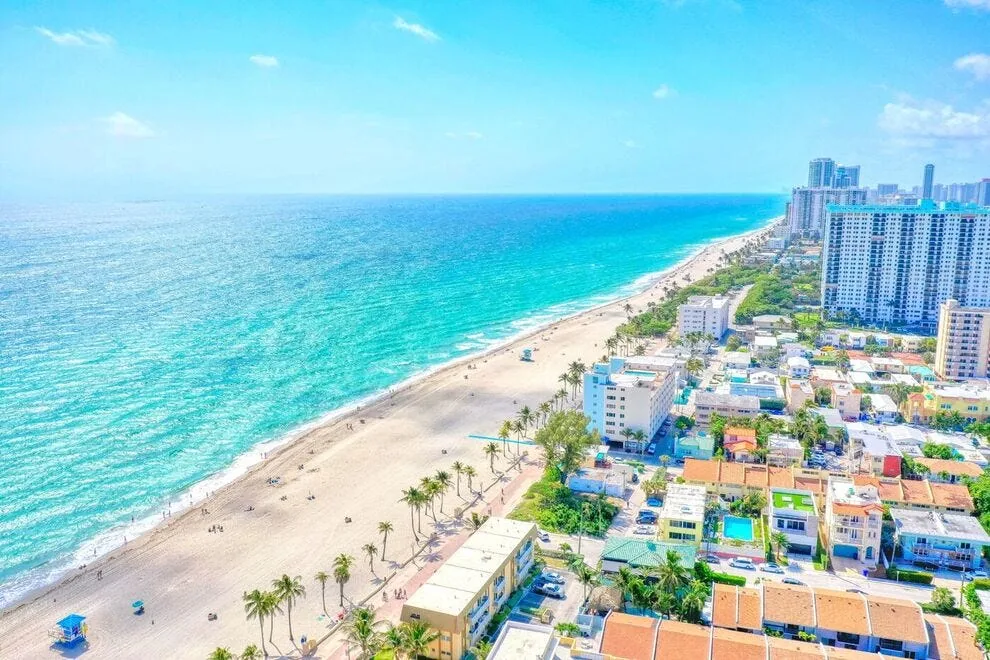
A painted metal panel depends on its finish to resist corrosion. Chalking, fading, scratches that reach bare metal and rust at cut edges show where the finish is failing. The Beach Historic District holds hotels, cottages and other historic buildings near the Atlantic, and any metal roof near the water deserves a check of cut edges, fasteners and dissimilar-metal contact.
We look for galvanic staining where one metal touches another, for rust blooms at fastener heads and for places where water sits against the panel. A small area of finish damage can be touched up and sealed. Widespread failure suggests recoating or replacing the panels. In the Hollywood Beach business district, close to the Atlantic, the finish review puts cut edges and fastener heads first; inland, along Johnson Street, it starts with chalking and sealant condition.
Condensation, underlayment, and the interior
Not every drip under a metal roof is a leak. Warm, humid interior air can condense on a cool underside and drip from the deck. We compare the timing of drips with rainfall and with the cooling cycle, check the underlayment where it is visible and look at insulation and vapor control.
If drips follow rain and appear in the same place, we trace the water path to the roof. If they follow humid mornings and the cooling cycle, the repair belongs on the interior side, and we say so. A dry roof with a wet ceiling is a useful finding, because it keeps a budget from being spent in the wrong place.
Insulation that has gone damp from a slow leak leaves a distinct pattern on the underside of the deck: rust streaks at fasteners and dark patches along the purlins. We read those signs from inside the building when access allows.
Wind provisions and code context
Florida adopted the 8th Edition (2023) of its Building Code effective December 31, 2023, and Hollywood's Building Division reviews plans and inspects construction against applicable state and local codes. Metal roof attachment, clip spacing and edge details respond to the wind provisions in that code, so a re-roof or retrofit scope should be confirmed with the division, including the permit category for reroof work.
If a roof has been damaged by wind, a wind damage repair may involve panel attachment, edge metal and trim, and the report separates confirmed damage from age-related wear.
Repair, retrofit, or replacement
Findings sort the roof. Isolated seam and trim defects get repairs. A sound panel with a worn finish may take a coating or touch-up. Corroded panels, widespread seam failure or clip damage points toward replacement. A metal roof retrofit is the comparison when an older exposed-fastener roof is under review, and both options are priced against the same section.
A worn finish does not always mean replacement. A fluid-applied silicone coating can extend a sound panel roof when seams are tight and fasteners are secure, though adhesion tests come first. Edge pieces, gutters and rake trim get the same walk, and coping and edge metal work follows any loose piece, because a loose edge lets wind work under the panel from the perimeter.
Cost follows panel gauge, access, trim count, penetrations and the hours the building allows. The closeout file lists the panels repaired, the sealants and fasteners used, the photographs and the date of the follow-up walk, which is best scheduled after the first heavy rain.